VMware ESXi Zero-Day Exploited by WARP PANDA
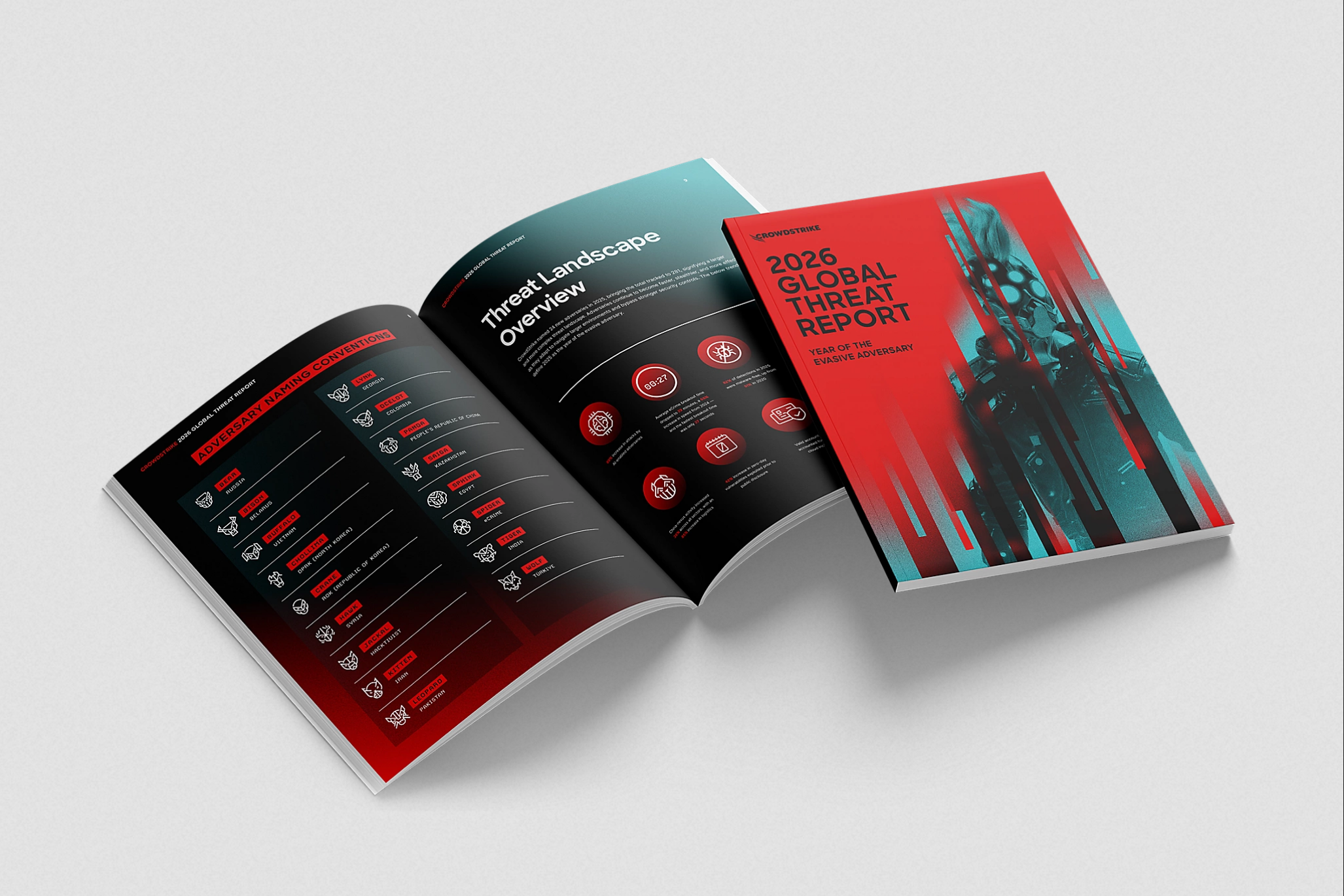
A Chinese cyber espionage cluster weaponized a hypervisor flaw to evade detection. Specifically, researchers discovered that state-sponsored actors exploited a VMware ESXi zero-day during corporate network intrusions. The security flaw carried a deceptively low severity rating of 2.7 out of 10. However, this logging defect allowed operators to conceal malicious activities effectively. Consequently, the intruders established persistent footholds across high-value enterprise perimeters without raising alarms.
Silent Command Execution and Log Tampering
Security analysts at CrowdStrike identified the active campaign during forensic investigations. The threat group, tracked as WARP PANDA, exploited the vulnerability known as CVE-2026-41709. The defect resided within command registration routines inside the VMware ESX hypervisor kernel. After acquiring administrative privileges, operators executed critical commands without generating audit records. Therefore, system security monitors failed to capture operational commands or abnormal activity.
Broadcom initially assigned the vulnerability a low severity score due to required access levels. Exploiting the flaw required pre-existing administrative control over target virtualization systems. However, cyber espionage operators prioritize operational stealth over noisy privilege escalation. Consequently, disabling event logging severely hindered incident response investigations and retrospective threat hunting.
Targeting Legal Practices and Cloud Environments
WARP PANDA also operates under the aliases ARMORY CASTLE and UNC5221. The group specializes in breaching internet-facing network appliances before pivoting toward internal virtualization clusters. Once inside, the operators deploy tailored malware strains such as BRICKSTORM and SharpStorm. Furthermore, the intruders targeted enterprise cloud environments to sustain unauthorized access.
Specifically, the attackers harvested persistent session tokens from compromised cloud platforms. These stolen tokens granted continuous access to Microsoft 365 environments without password verification. In addition, the hackers enrolled rogue multi-factor authentication devices onto victim accounts. Therefore, the threat actors maintained access even after administrators reset user credentials.
Focus on United States Legal Infrastructure
The espionage campaign singled out prominent corporate law firms across the United States. These legal institutions maintain confidential correspondence, corporate merger agreements, and sensitive intellectual property. As detailed in the CrowdStrike legal sector threat landscape report, intrusions targeting legal organizations doubled compared to previous years. Although financial syndicates dominate overall malicious volume, state espionage represents a severe strategic threat.
Remediation Deadlines and Federal Directives
Broadcom released comprehensive security updates on July 29, 2026. As documented in the Broadcom security advisory on VMware products, patches address VMware ESX 8.0, Cloud Foundation, and vSphere Foundation. Furthermore, the vendor confirmed that no temporary operational workarounds exist.
Following confirmed exploitation, the Cybersecurity and Infrastructure Security Agency added the vulnerability to its catalog. Consequently, federal civilian agencies must apply the necessary software updates before November 11, 2026. This aggressive remediation timeline underscores the danger posed by covert hypervisor manipulation. Ultimately, enterprise defenders must recognize that low-severity logging vulnerabilities can facilitate devastating state-backed intrusions.
Support Our Threat Intelligence
If you find our technology report and cybersecurity news helpful, consider supporting our work.
 Buy Me a Coffee
PayPal