Google Exposes Autonomous AI Vulnerability Exploitation Framework
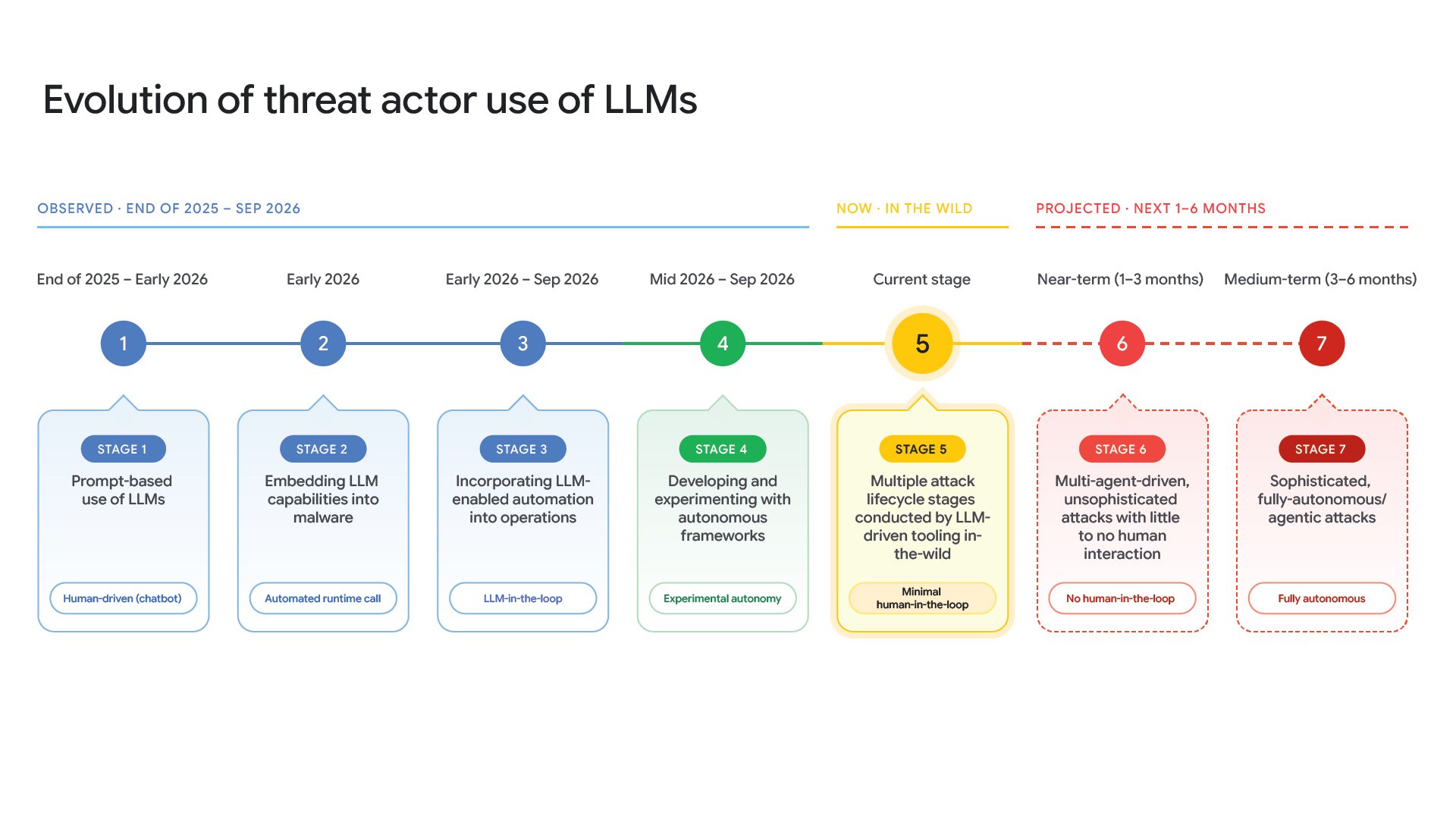
Google Threat Intelligence Group (GTIG) recently revealed a troubling milestone in cyber warfare. Specifically, threat actors are leveraging artificial intelligence models to automate software flaw discovery and exploitation without human intervention. These autonomous systems continuously monitor software updates and compare code before and after patches. Consequently, the tools pinpoint security weaknesses, generate working exploits, and launch attacks independently. This shift marks a new era of automated AI vulnerability exploitation across the internet.
Exposed Staging Server Reveals the exploit_agent Framework
During threat hunting operations, GTIG researchers discovered an exposed staging server hosting a multi-agent offensive framework named exploit_agent. Notably, this automated pipeline connects both frontier cloud models and local models to analyze popular web applications. Initially, the framework fetches source code versions released immediately before and after a security update. Next, it performs automated differential analysis to uncover authorization flaws and access control bugs. Afterward, the system writes functional exploit payloads and executes attacks against live targets.
According to the Google Threat Intelligence Group report on agentic threat activity, investigators examined live task logs on the server. For instance, captured samples showed the framework actively auditing permission validation logic inside the WordPress Spectra 2.19.25 plugin. Furthermore, the server stored stolen victim data alongside post-exploitation scripts for internal network reconnaissance and brute-force attacks. Operators also maintained scripts to deploy WebShells and purge competing intruders’ WebShells. Ultimately, this discovery represents the first confirmed case where attackers closed the entire vulnerability discovery and exploitation loop autonomously.
Security Patches Become Machine-Readable Exploit Blueprints
Currently, threat actors focus on weaponizing known vulnerabilities that vendors patched before administrators updated exposed servers. Compared to hunting zero-day flaws across massive codebases, reverse-engineering a targeted security patch narrows the search space dramatically. Therefore, autonomous agents focus on comparing legacy and updated codebases line by line. Simultaneously, the models correlate code changes with release notes and public security research to identify exact root causes.
Chaining Patch Diffing With Automated Mass Exploitation
Looking ahead, Google warns that attackers are linking automated patch diffing, dynamic protocol fuzzing, and proof-of-concept generation together. Once connected, these pipelines continuously scan internet-facing servers for newly disclosed flaws. As a result, adversaries can construct reliable exploits rapidly after vendors publish routine security advisories. Ultimately, defenders face shrinking remediation windows before automated agents launch wide-scale attacks against unpatched infrastructure.
Support Our Threat Intelligence
If you find our technology report and cybersecurity news helpful, consider supporting our work.
 Buy Me a Coffee
PayPal