BluePhishing Entra Agent Attack Exploits Cloud Consent
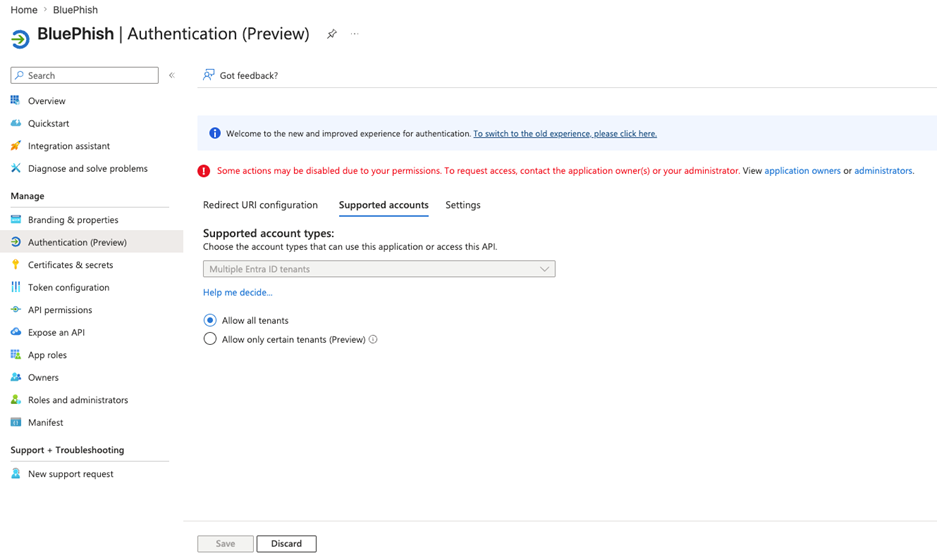
A single deceptive permission grant can compromise an entire enterprise cloud tenant. Specifically, Proofpoint researchers uncovered the BluePhishing Entra Agent attack targeting corporate artificial intelligence deployments. Through this technique, adversaries spawn up to 250 rogue agent accounts without stealing passwords. Currently, analysts have observed this exploitation scheme only within controlled laboratory simulations. Nevertheless, the underlying architectural flaw exposes organizations to silent administrative persistence.
Mechanics of Microsoft Entra Agent ID Exploitation
This novel technique targets Microsoft Entra Agent ID, which manages digital identities for autonomous assistants. Administrators deploy these helpers using an agent blueprint that defines operational parameters and access rights. Subsequently, the cloud platform generates individual agent identities from that shared configuration template. Each resulting identity operates directly on behalf of a designated corporate employee. Consequently, compromising the foundational template grants sweeping leverage across organizational workflows.
BluePhishing expands upon traditional OAuth consent phishing campaigns. First, an attacker builds a malicious agent blueprint inside an external cloud environment. Next, the adversary sends victims a link pointing to an authentic Microsoft authorization prompt. While administrators can approve tenant-wide privileges, regular employees still delegate access within their personal permissions. Once approved, an object representing the external template materializes inside the corporate directory.
Hidden Inherited Permissions and Token Generation
Alarmingly, the cloud directory automatically grants the external object a powerful management privilege. According to the Proofpoint threat research report on BluePhishing, the system assigns AgentIdentity.CreateAsManager automatically. Although administrators can revoke initial consent, they cannot strip this specific permission from the object. To proceed, attackers only need the target tenant identifier and an assigned sponsor employee. Because reconnaissance tools expose these identifiers easily, adversaries avoid brute-force intrusions entirely.
After gathering these identifiers, the threat actor authenticates using their own blueprint secret. The attacker then provisions a functional agent inside the victim environment and harvests access tokens. Furthermore, OAuth 2.0 inheritance mechanics amplify the severity of this unauthorized access. Specifically, blueprint owners pre-configure permissions that pass automatically to every newly generated agent. In laboratory tests, Proofpoint extracted sensitive user and group records via Microsoft Graph. Notably, those inherited delegated permissions remained completely invisible inside Entra and Microsoft Graph portals.
Expanding Attack Surface and Defensive Mitigations
Proofpoint disclosed these findings on November 9 after coordinating privately with Microsoft engineers. Fortunately, security telemetry shows no evidence of active exploitation in real-world intrusions yet. However, Microsoft scheduled configuration changes under notice MC1506733 for November 2026. This update allows standard Entra users to create agent blueprints by default. Therefore, enterprise attack surfaces will expand dramatically across unmanaged cloud directories.
To neutralize this risk, security teams must restrict user consent for third-party blueprints immediately. Additionally, administrators should audit requested OAuth scopes and monitor Entra logs for unexpected agent creation. Defenders can also hunt suspicious templates by tracking persistent application identifiers across tenants. Ultimately, authentic Microsoft consent prompts never guarantee that requested cloud permissions are safe.
Support Our Threat Intelligence
If you find our technology report and cybersecurity news helpful, consider supporting our work.
 Buy Me a Coffee
PayPal