Hue Bridge Pro Vulnerabilities Grant Root Execution
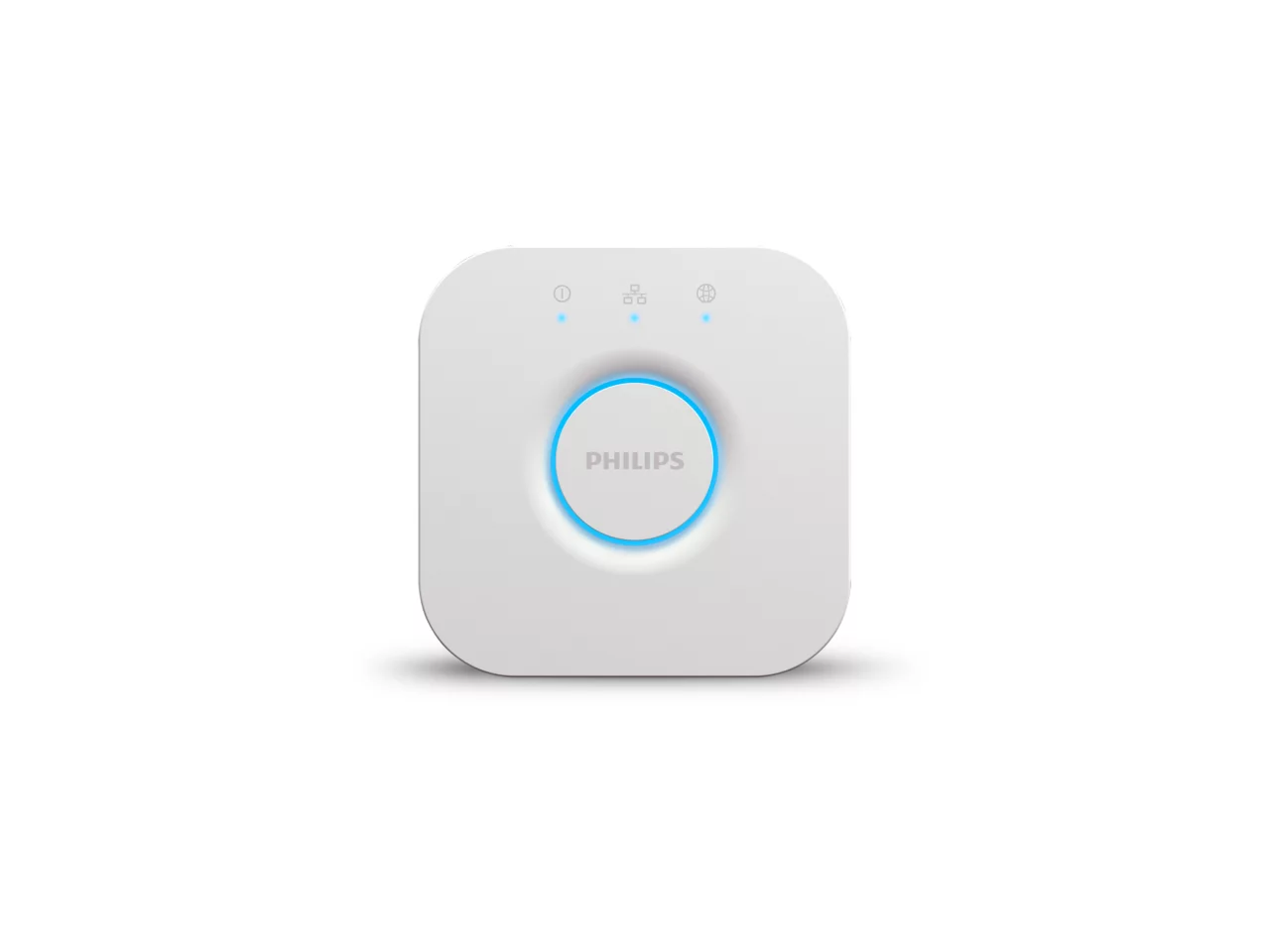
Security researchers recently uncovered three vulnerabilities affecting the Philips Hue Bridge Pro smart lighting controller. Specifically, these flaws allow remote adversaries to compromise internal system processes completely. Attackers can chain authentication bypasses directly into root-level code execution. Furthermore, the security exposure resides entirely within the hub hardware rather than connected smart lamps. Consequently, Hue Bridge Pro vulnerabilities threaten home automation networks with full administrative takeover.
Authentication Bypass and SQL Injection Flaws
Threat actors exploit the primary vulnerability across standard HTTPS management interfaces on port 443. Specifically, the controller fails to sanitize incoming parameters before assembling internal database instructions. Through this input flaw, cataloged as CVE-2026-118632, an attacker executes arbitrary shell commands as root. The Zero Day Initiative assigned this critical defect a severe CVSS score of 8.0.
Normally, executing SQL injection routines requires valid account access credentials. However, an auxiliary flaw registered as CVE-2026-122044 completely bypasses initial authentication barriers. This defect also targets the management service listening on port 443. As detailed in the Zero Day Initiative security advisory on Hue Bridge, network proximity suffices for active exploitation. Therefore, unauthenticated attackers on adjacent local networks can seize absolute system control.
Local Privilege Flaws and Prior Breaches
Additionally, investigators identified a third security weakness affecting administrative diagnostic services on port 5001. Cataloged as CVE-2026-118631, this argument handling defect enables unauthorized file modifications under service accounts. However, exploiting this secondary flaw requires prior code execution within the localized device container. Consequently, analysts assigned this lower-tier flaw a modest CVSS score of 3.8.
Notably, security researchers demonstrated separate exploit chains during the Pwn2Own Ireland 2026 hacking competition. During that event, security team VinSOC chained seven distinct zero-day vulnerabilities against Bridge Pro hardware. Furthermore, researchers resolved an unauthenticated Mosquitto MQTT broker flaw in August under CVE-2026-73669. While those demonstrations leveraged different attack vectors, they highlight persistent security interest surrounding connected lighting hubs.
Firmware Patch Availability and Defense Guidance
Fortunately, Philips addressed these security defects in firmware build 6.1.2071524030 in late September. Subsequently, the manufacturer issued an updated maintenance release designated as build 6.3.2071556020 in October. Administrators can verify these software improvements within the official Philips Hue Bridge Pro release notes. Importantly, standard Hue Bridge v2 hardware utilizes distinct firmware branches and remains unaffected by these advisories.
System administrators must ensure connected smart home hubs receive continuous software updates. Enabling automated updates within the mobile management application ensures timely installation of essential firmware patches. Moreover, isolating smart lighting equipment on segmented local virtual networks prevents lateral network intrusion. Ultimately, swift firmware maintenance safeguards smart home ecosystems from unauthorized remote surveillance.
Support Our Threat Intelligence
If you find our technology report and cybersecurity news helpful, consider supporting our work.
 Buy Me a Coffee
PayPal