OpenSSH SSHole Vulnerability Exploited in Wild
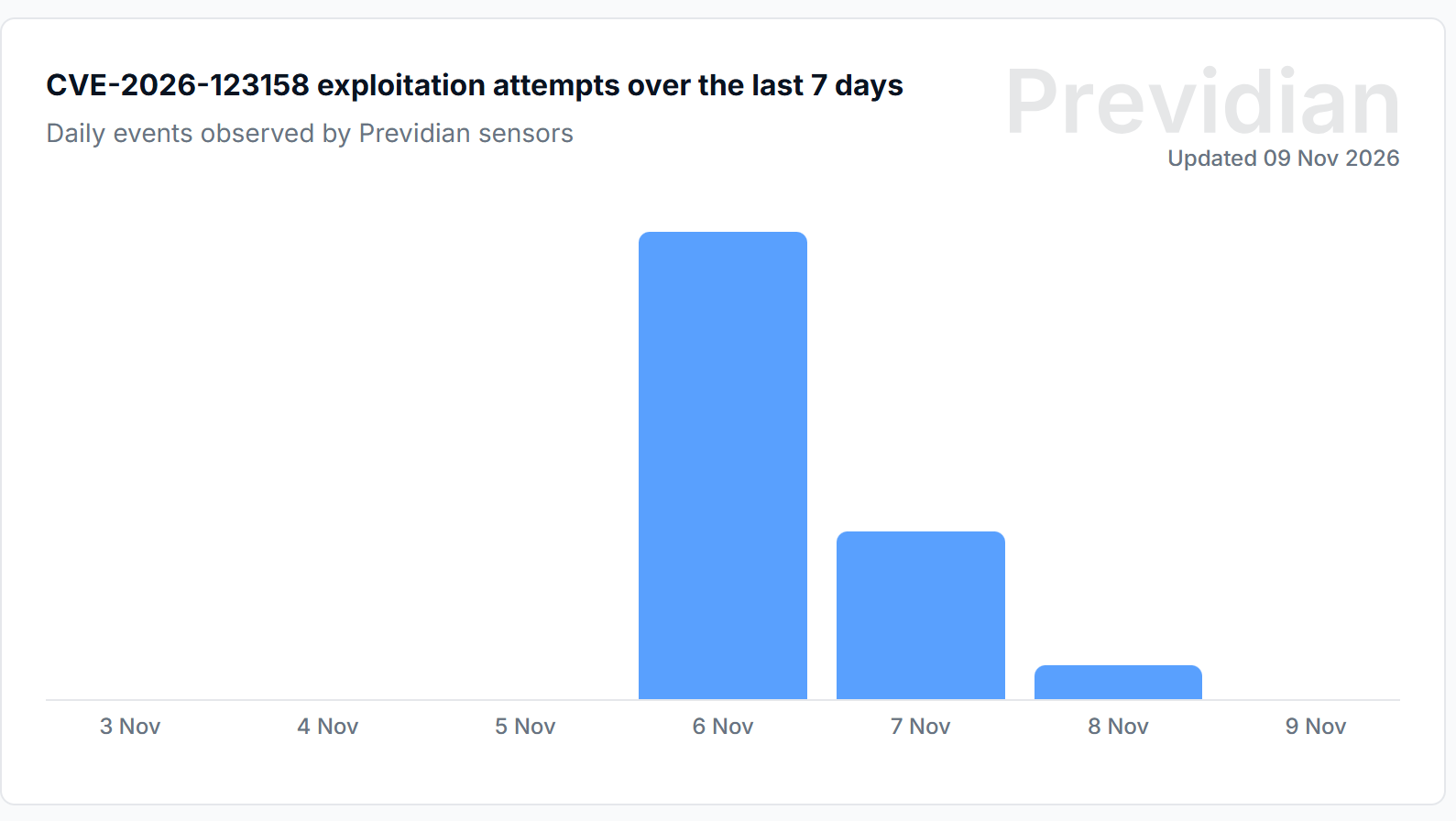
Malicious actors began exploiting a newly disclosed secure shell flaw in less than nine hours. Specifically, threat groups targeted the critical OpenSSH SSHole vulnerability across global internet infrastructure. Researchers confirmed active penetration attempts against realistic decoy systems running Alpine Linux. Furthermore, attackers successfully seized root privileges on compromised nodes. Consequently, system administrators must apply available vendor patches immediately to safeguard operational environments.
Rapid In-the-Wild Honeypot Exploitation
Security researchers at Previdian detected the earliest intrusion attempts through a worldwide honeypot sensor network. Initially, monitoring telemetry identified eight sequential connection attempts originating from a single Japanese IP address. Subsequently, telemetry expanded across fifteen distinct attack waves originating from ten addresses across eight nations. Four independent sensors observed these probing routines within hours of public disclosure.
For instance, one adversary operating from the network address 89.116.89.18 submitted exceptionally long password strings. The actor executed non-interactive sessions without initiating standard interactive shell environments. Once connected, automated scripts invoked standard reconnaissance binaries such as id, uname, and hostname. According to the threat intelligence report published by Previdian, attackers seized administrative control on Alpine Linux honeypots.
Mechanism Behind the Authentication Bypass
This critical security weakness affects specific OpenSSH deployments configured on Linux systems utilizing musl libc without PAM support. Due to an underlying validation defect, the secure shell daemon accepts authentication tokens for unauthorized accounts. Crucially, the exploit mechanism requires straightforward credential inputs rather than complex exploitation chains. Therefore, threat actors weaponized the flaw almost immediately following publication.
Additionally, researchers cataloged public proof-of-concept repositories appearing across GitHub repositories. While some scripts demonstrate functional bypass techniques, others may deliver trojanized payloads to unwary researchers. Consequently, security teams must treat public exploitation scripts with extreme caution.
Detecting Intrusion and Reviewing System Logs
System administrators should inspect operational system logs located in /var/log/messages without delay. Specifically, engineers must look for anomalous accepted password entries associated with accounts possessing disabled passwords. Unusual privilege elevation via doas or unfamiliar user additions indicates potential intrusion. If administrators discover unauthorized modifications within authorized_keys files, they must isolate the server immediately.
Remediation and OpenSSH 10.6p2 Upgrades
OpenSSH developers released maintenance version 10.6p2 to mitigate this dangerous authentication bypass. Administrators must upgrade server packages and restart the background sshd service immediately. Merely updating package files leaves active processes vulnerable to ongoing compromise. Alternatively, operators can disable password authentication by enforcing PasswordAuthentication no inside sshd_config. Ultimately, migrating to cryptographic SSH keys ensures comprehensive defense against credential bypass vectors.
Support Our Threat Intelligence
If you find our technology report and cybersecurity news helpful, consider supporting our work.
 Buy Me a Coffee
PayPal