ShinyHunters Hacker Group Faces Impostor Takeover
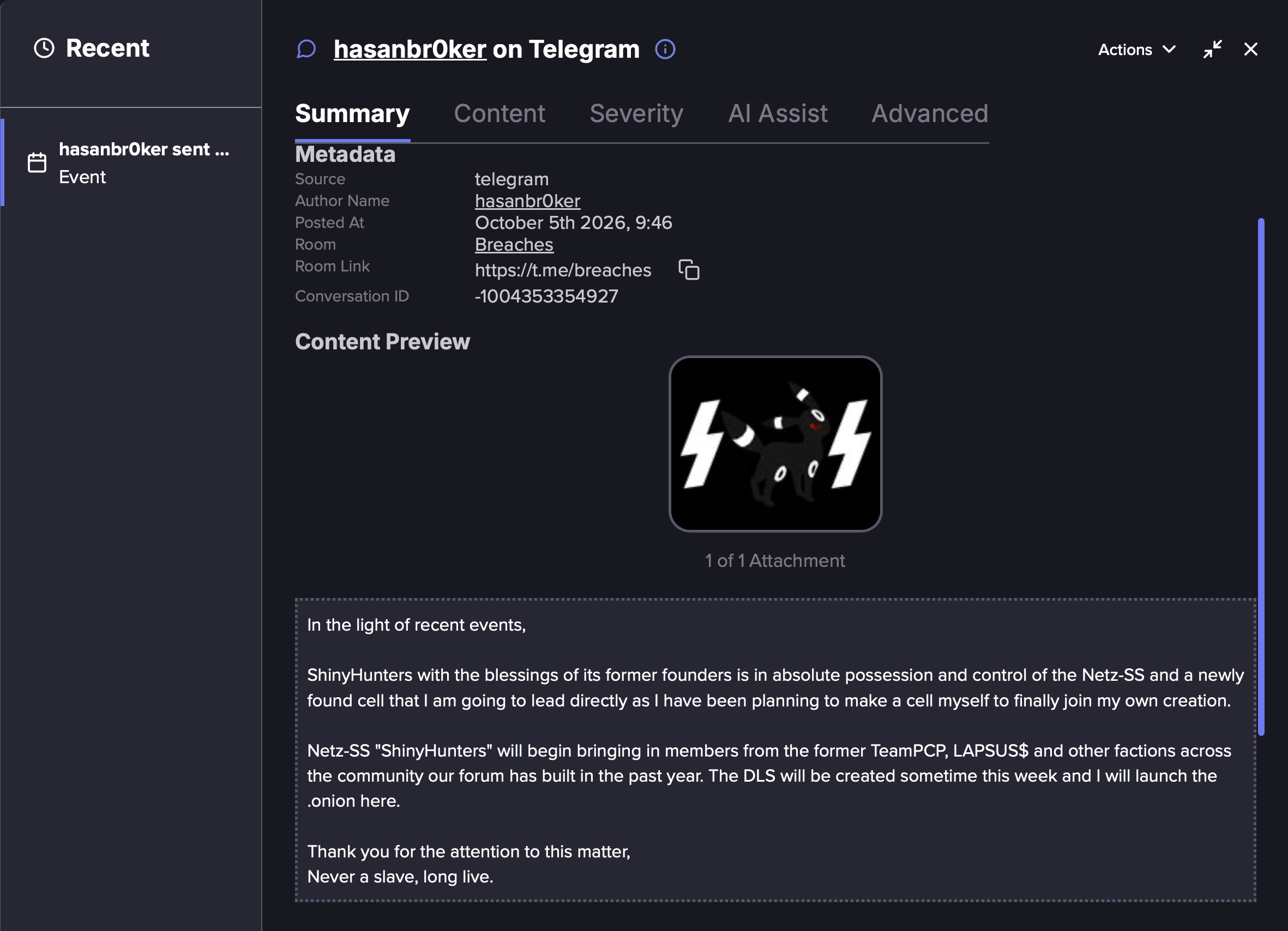
The notorious ShinyHunters collective recently lost its original leadership. However, opportunists quickly stepped forward to seize the infamous moniker. Following several high-profile hacker arrests, a new contender for the criminal brand emerged online. Specifically, this actor claimed to hold official authorization from the original founders. Yet, a thorough forensic investigation revealed that the underlying evidence was likely fabricated.
The Battle for the Criminal Brand
Cybercrime specialist Jon DiMaggio, founder of Arkem Cyber, recently highlighted this escalating struggle over the ShinyHunters identity. Following the arrest of an alleged member known as Rey, unidentified actors established a new online account. Subsequently, they declared themselves the rightful successors to the operation. To validate their claim, the authors cited explicit approval from the collective’s original founders.
Compromised Cryptographic Keys
However, DiMaggio uncovered a critical flaw in their narrative. Specifically, the administrative cryptographic key historically used to sign the group’s messages suffered a compromise. Consequently, unidentified threat actors generated a fraudulent statement bearing a seemingly valid digital signature. Once a private key falls into unauthorized hands, even a mathematically valid signature no longer proves authentic authorship.
Law Enforcement Crackdowns Fuel the Chaos
Notably, this succession dispute erupted amid intensifying global criminal investigations. In late September, Jordanian authorities detained Saif al-Din Khader, an alleged ShinyHunters operative operating under the alias Rey. According to investigative journalists, the suspect promptly began cooperating with United States federal investigators. Furthermore, on October 9, FBI Director Kash Patel announced an additional arrest targeting another individual linked to the syndicate.
A Lucrative Legacy of Extortion
Ultimately, the sheer notoriety of the ShinyHunters hacker group explains why impostors covet the brand. Since 2020, security analysts have linked the name to massive data breaches, database sales, and extortion campaigns. Later, the operatives pivoted toward targeting enterprise cloud environments. For instance, their prominent attacks against Salesforce relied heavily on voice phishing, where actors impersonated technical support staff to deceive corporate employees.
Shifting Alliances and Attribution Risks
Moreover, the internal roster of the collective has fluctuated repeatedly over the years. In 2025, an alliance known as Scattered LAPSUS$ Hunters emerged, uniting several prominent underground personas. Despite ongoing arrests and infrastructure seizures, cybercriminals continued leveraging these recognizable brand names to intimidate victims.
In the comprehensive Arkem Cyber research report, DiMaggio concluded that no entity can reliably prove rightful ownership of the ShinyHunters moniker today. Because the compromised key allows impostors to forge authentic-looking announcements, the threat landscape grows increasingly murky. Therefore, targeted corporations and threat analysts now risk mistaking opportunistic bluffs from third-party criminals for genuine extortion demands from the infamous syndicate.
Support Our Threat Intelligence
If you find our technology report and cybersecurity news helpful, consider supporting our work.
 Buy Me a Coffee
PayPal
Buy Me a Coffee
PayPal


