White House Launches Project Watershed 250
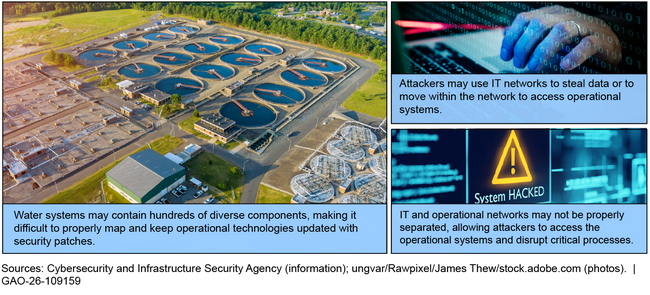
The White House officially initiated a six-month pilot program named Project Watershed 250 in Texas. This vital initiative aims to discover practical methods for shielding American water and wastewater systems from sophisticated cyberattacks. Participating water utilities will receive complimentary security audits, vulnerability remediation assistance, and advanced defensive technologies contributed by major IT and cybersecurity corporations. However, authorities have not yet announced a dedicated public budget for the core project itself.
Collaborative Leadership and Industry Support
The National Cyber Director’s office and the Texas Cyber Command jointly oversee this comprehensive program. A formidable coalition of technology giants has joined the project. This roster includes Parsons, Microsoft, Fortinet, Google Cloud, Palo Alto Networks, Amazon Web Services, Reflection AI, Cloudflare, Zscaler, Forescout, Abnormal AI, and Dragos. National Cyber Director Sean Cairncross intends to evaluate which defensive measures genuinely succeed within operational utility infrastructure over the next six months. He plans to scale successful solutions across other states subsequently.
Participating water utilities will experience rigorous red team testing simulating realistic adversary behavior. They will also receive thorough security posture analysis, configuration hardening, and AI-driven tools. Furthermore, the Texas Cyber Command promises hands-on operational assistance in resolving discovered flaws. Consequently, Project Watershed 250 transcends a standard auditing exercise ending in a passive vulnerability report. Nevertheless, a lingering question remains. Who will maintain these implemented defenses and finance future equipment modernization after the six-month pilot concludes?
The Immense Financial and Staffing Crisis
For the American water sector, personnel and financial hurdles often eclipse technical challenges. The United States operates nearly 170,000 distinct drinking water and wastewater systems. Their cybersecurity maturity levels vary wildly. Over 90% of drinking water systems serve fewer than 10,000 individuals. These smaller organizations constantly battle high employee turnover, aging equipment, and severe budget constraints. Cybersecurity expenditures inevitably compete directly with physical pipe repairs, water purification, and strict sanitary compliance.
Meanwhile, the cyber threat has long since transcended theoretical modeling. In July alone, malicious actors targeted over 100 water and wastewater systems spanning at least 12 states as highlighted in recent federal oversight reports. Federal investigators established that attackers frequently acquired unauthorized remote access to programmable logic controllers (PLCs). These controllers directly manage critical physical processes including pumps, water pressure, and control valves. Compromised hardware notably included Rockwell Automation Allen-Bradley MicroLogix 1100 and 1400 models.
Operational Disruption and Evasion
Upon breaching the systems, attackers systematically altered controller IP addresses and passwords. This malicious lockout stripped operators of remote visibility and physical control over essential equipment. In numerous instances, these aggressive intrusions severely disrupted water facility operations. While Texas authorities publicly attributed this specific campaign to Iranian state-sponsored actors, official FBI warnings stopped short of formal attribution. However, federal agencies officially confirmed persistent Iranian targeting of water sector operational technology earlier in the spring.
Many recommended countermeasures appear deceptively elementary. This stark reality illuminates the dangerously low baseline security posture currently plaguing parts of the industry. Federal agencies strongly advise removing industrial controllers from direct exposure to the public internet. They recommend isolating hardware behind robust gateways and firewalls. Utilities must change default credentials, strictly restrict authorized network connections, and enforce multi-factor authentication. Should remote access remain strictly necessary, CISA mandates routing connections through a managed secure gateway or enterprise VPN. Direct connections to industrial controllers are strictly discouraged.
Funding Initiatives and Long-Term Sustainability
American authorities have previously attempted to enforce mandatory cybersecurity standards for water utilities. In 2023, the EPA attempted to mandate cybersecurity evaluations during routine drinking water sanitary surveys. However, multiple states successfully challenged this federal approach in court, forcing the agency to withdraw the requirement. Project Watershed 250 utilizes an alternative voluntary model. Instead of enforcing rigid regulatory mandates, the government incentivizes participation by engaging private sector partners to deliver free technical assistance.
The initial absence of a designated Project Watershed 250 budget has inevitably sparked criticism. An anonymous water infrastructure security specialist asserted that the initiative lacks substantial capital. They argued it effectively shifts a significant portion of the operational burden onto the private sector. Nevertheless, claiming the federal government entirely ignores water cybersecurity would be inaccurate. Simultaneously with the pilot’s launch, the EPA announced millions in targeted grants to help small and rural communities protect their water infrastructure. Furthermore, the agency allocated $11.75 million across ten specific projects. These funds specifically finance resilience enhancements for medium and large drinking water systems, including industrial controller replacements and control infrastructure modernization.
Ultimately, Project Watershed 250 will test more than the raw capability of modern cybersecurity tools to discover weaknesses. It will measure the genuine feasibility of transforming complex recommendations into sustained defenses within small municipal utilities. Should this collaborative model prove successful, the White House intends to scale the framework nationwide. The ultimate challenge will surface later. Once complimentary assessments and partner assistance conclude, water utilities must independently maintain secure configurations. They must continually replace aging machinery and recruit specialized talent for critical infrastructure that cannot simply be powered down during routine maintenance.
Support Our Threat Intelligence
If you find our technology report and cybersecurity news helpful, consider supporting our work.
 Buy Me a Coffee
PayPal
Buy Me a Coffee
PayPal


