Massive Iranian VPN DNS Tunneling Anomaly Discovered
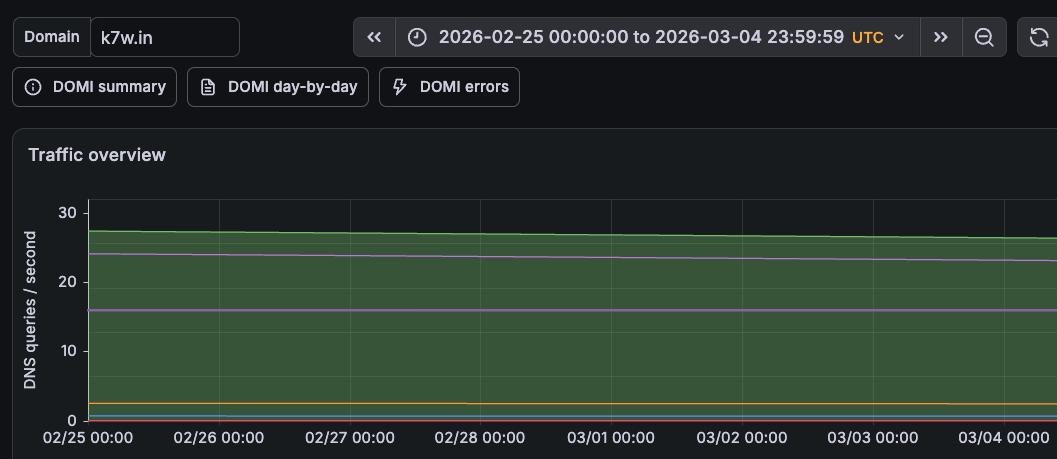
An extraordinary deluge of DNS traffic overburdened the DomainTools infrastructure to such an extent that a solitary domain generated up to 500,000 novel observations per second during peak intervals. Over a span of several days, the domain supaghost[. ]cc amassed approximately 40 billion records, and the traffic architecture exhibited the unmistakable hallmarks of a VPN functioning over DNS. Technical indicators pointed toward an Iranian origin for this activity; however, researchers remained unable to ascertain the proprietor of the infrastructure or the specific contents of the transmitted data.
The Mechanics of the DNS Tunneling Intrusion
Analysts discovered this profound anomaly on March 1, 2026. The passive DNS network operated by DomainTools typically processes, verifies, and deduplicates roughly one million observations per second. The relentless stream emanating from the singular supaghost[. ]cc domain effectively amplified the aggregate operational load by nearly fifty percent.
The vast majority of these anomalous records belonged to the TXT classification, a protocol specifically permitting the insertion of arbitrary data within the DNS infrastructure. A meticulous analysis of the payload revealed the distinct characteristics of DNS tunneling: utilizing DNS queries and responses as a subterranean transport channel, thereby circumventing conventional network connections. Such an ingenious architecture facilitates the transmission of commands, files, or disparate traffic through highly restrictive networks where traditional protocols endure relentless obstruction or rigorous filtration.
Within the TXT records of supaghost[. ]cc, investigators observed fragmented payloads intricately resembling multiple binary network packets, seamlessly coalesced to optimize transmission efficiency. This sophisticated framework presumably directed the packets toward specialized DNS resolvers, wherein the encoded data could be deciphered and subsequently propelled onward through a designated exit node. Individual subdomains judiciously partitioned the overwhelming flow among disparate name servers directly tethered to economical virtual private servers.
Expanding Infrastructure Amidst Internet Blackouts
DomainTools abstained from attempting to decrypt the channel’s encrypted contents; consequently, the ultimate purpose of the transmitted intelligence remains shrouded in obscurity. Specialists could only decipher the underlying technical architecture of the exchange. The inherent nature of the DNS queries and corresponding responses unequivocally indicated a bidirectional data transmission paradigm, a fundamental prerequisite for a comprehensive, functional tunnel, rather than a mere unidirectional data exfiltration pipeline.
The sheer magnitude of this activity swiftly transcended the boundaries of supaghost[. ]cc. Researchers identified profoundly similar behavioral patterns across a constellation exceeding 100 distinct domains, with the Iranian “.ir” country-code top-level domain featuring disproportionately among the associated addresses. A substantial proportion of this covert infrastructure was quietly registered between September and November of 2025. These domains lay dormant, exhibiting virtually no activity until early March, whereupon several addresses abruptly began generating colossal volumes of analogous DNS traffic.
This sudden explosion of activity coincided precisely with a draconian restriction of internet access across Iran. On February 28, Cloudflare documented a catastrophic blackout, wherein traffic emanating from the nation plummeted drastically below one percent of its historical baseline. Remarkably, the fundamental routing pathways to Iranian networks largely endured intact, suggesting the implementation of draconian traffic filtration measures rather than a physical severing of the underlying infrastructure.
Unverified Geopolitical Connections
This temporal correlation does not definitively prove a causal link between the internet restrictions and the inception of the DNS tunnel. Nevertheless, DomainTools asserts that supplemental technical indicators independently corroborated the hypothesis that this torrential traffic originated from Iran or its immediate geopolitical vicinity. Furthermore, investigators noted a discernible surge in the operational load shouldered by pre-existing DNS tunneling services throughout Eurasia and South Asia.
The authors of the investigation concede the possibility that malicious actors meticulously prepared this infrastructure in advance, establishing a resilient contingency channel designed to facilitate voluminous data transmission during a severe crisis. However, they explicitly characterize such an explanation as purely conjectural. Similarly, hypotheses suggesting a clandestine nexus with Iranian state apparatuses remain entirely devoid of substantive evidence. Currently, the only irrefutable facts are the unprecedented magnitude of the DNS records, the unmistakable signatures of a VPN-over-DNS architecture, the widespread distribution of activity across myriad domains, and the technical indicators unequivocally linking the traffic’s origin to Iran.
Support Our Threat Intelligence
If you find our technology report and cybersecurity news helpful, consider supporting our work.
 Buy Me a Coffee
PayPal
Buy Me a Coffee
PayPal


