Cruciferra Crypter Service Blends Sophisticated Evasion Techniques
Advanced Obfuscation Protocols
The more arduous a malicious payload is to discern within disk boundaries and memory allocations, the longer it enjoys uninterrupted latency. The illicit Cruciferra crypter service elegantly harmonizes disparate obfuscation methodologies into a single, cohesive framework. According to forensic data compiled by Proofpoint, distinct threat syndicates actively deploy this mechanism across dozens of campaigns. These operations distribute diverse threats, including AsyncRAT, Agent Tesla, Remcos, XWorm, ValleyRAT, and Snake Keylogger.
Marketed aggressively on the Exploit forum since the autumn of 2025, the utility encapsulates compiled malicious payloads. Consequently, security architectures encounter profound challenges in decoding their internal syntax and neutralizing execution routines. Proofpoint researchers unearthed both operational samples harvested from active intrusions and development artifacts presumably utilized for diagnostic purposes.
Anatomy of the Intrusion Vector
Initial compromise vectors frequently materialize as compressed ZIP archives harboring a legitimate executable alongside a malicious dynamic-link library. Upon initial execution, the benign application inadvertently side-loads the adjacent library. This component rigorously evaluates the host environment, conceals the authentic operational logic amidst hundreds of vacuous functions, and prepares the primary payload.
The BYOVD Compromise Strategy
Prior to executing the primary payload, Cruciferra systematically deactivates multiple telemetry layers maintained by endpoint protection tools. Specifically, the service drops a vulnerable, digitally signed driver designated GoFlyDrv.sys. It leverages this component to terminate security infrastructure processes abruptly. Industry analysts classify this precise maneuver as a Bring Your Own Vulnerable Driver attack. In these scenarios, adversaries introduce a valid yet flawed driver to exploit its high-level privileges and circumvent protective walls.
Cryptographic Complexity and Process Ghosting
The underlying payload resides securely within an obscure section of the file structure. It undergoes decryption via one of over ninety modular, combinable architectural schemes. Cruciferra synthesizes these cryptographic recipes from structural segments of the Keccak, Threefish, and Feistel algorithmic families. Therefore, distinct compiled iterations rarely exhibit uniform cryptographic signatures.
For the definitive execution phase, the platform implements a heavily customized iteration of Process Ghosting. The software generates a transient file containing the malicious code, initializes a new process based on its contents, and immediately deletes the underlying file from the storage volume. Consequently, the process persists within volatile memory architecture, while no corresponding file remains accessible on the disk for standard anti-malware inspection. Supplementary modifications compel security systems to ingest sanitized memory reports, effectively obstructing attempts to cross-reference the active memory image with the original artifact.
Targeting and Campaign Attribution
Proofpoint attributes a specific series of targeted operations to the Chinese-speaking threat collective designated TA4922. Spanning from late April to early June, these actors disseminated deceptive lures impersonating the Income Tax Department of India to drop AsyncRAT. Alternative parallel campaigns mirrored formal alerts from the United States Social Security Administration or leveraged fraudulent hospitality complaints regarding insect infestations.
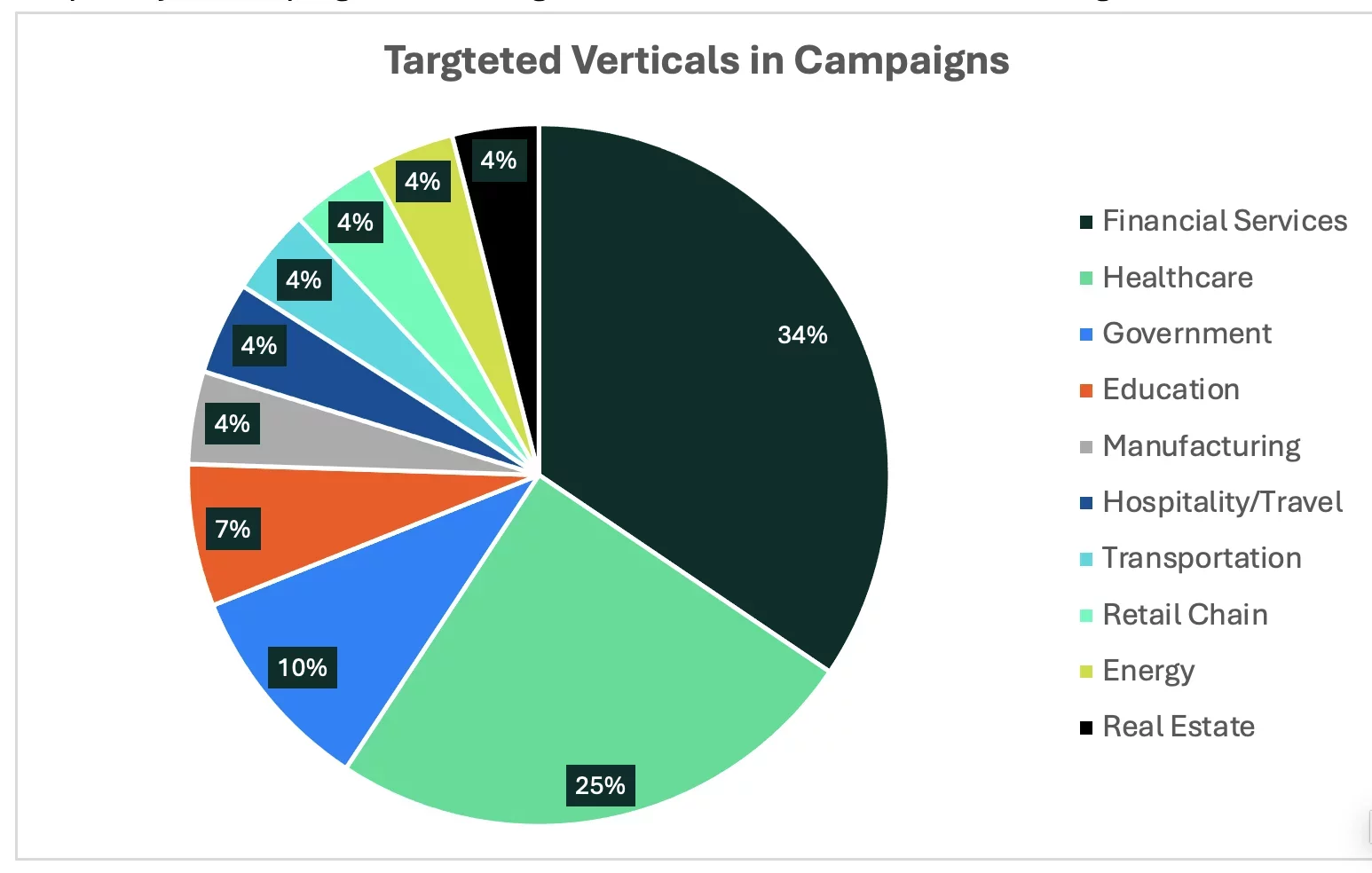
The documented targets predominantly encompass banking entities, healthcare networks, and governmental administrative systems. On July 9, newly packed variants engineered by Cruciferra materialized on the VirusTotal database every few minutes, demonstrating a massive operational scale.
Support Our Threat Intelligence
If you find our technology report and cybersecurity news helpful, consider supporting our work.
 Buy Me a Coffee
PayPal
Buy Me a Coffee
PayPal


