ToxicPanda Android Banking Trojan: 2.0 Upgrade
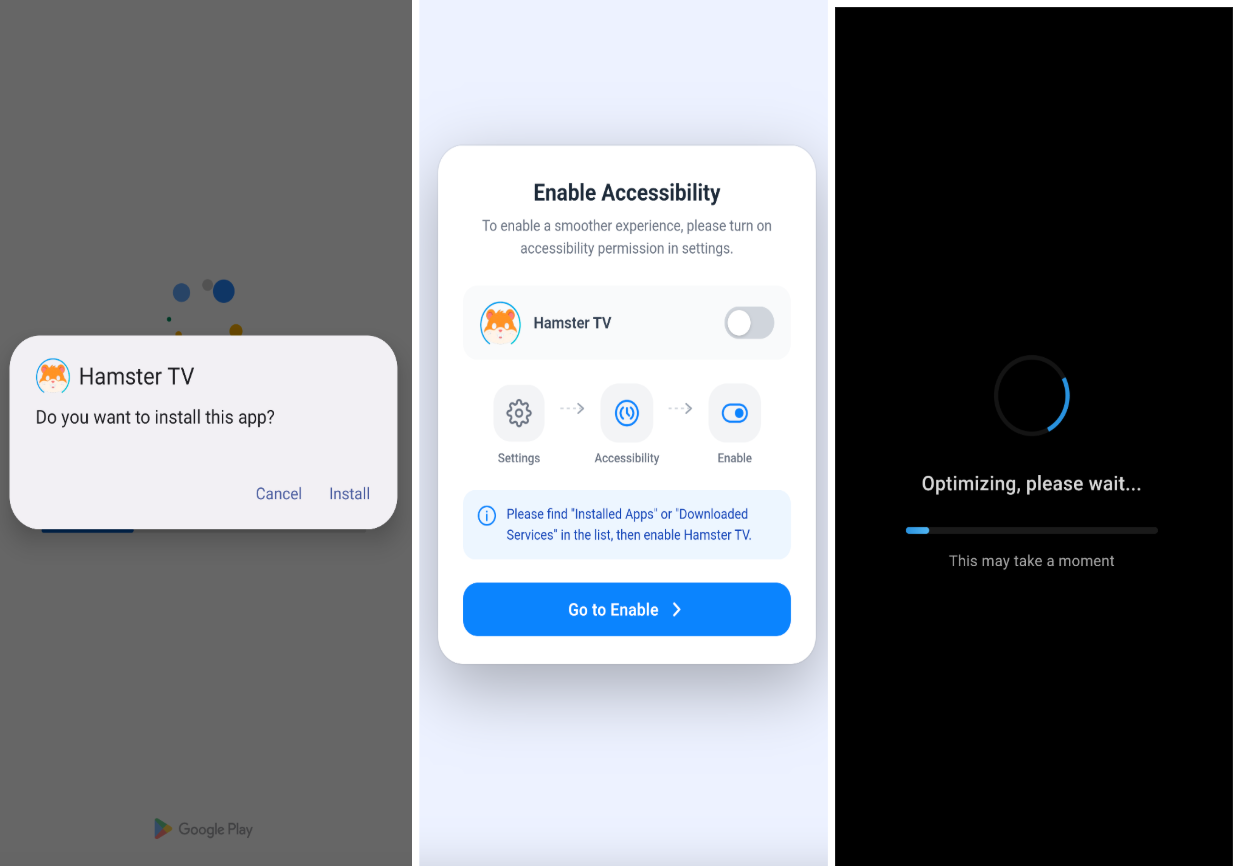
The notorious banking trojan ToxicPanda has resurfaced in a significantly more formidable iteration. ToxicPanda 2.0 now possesses the capability to pilfer PINs from banking and cryptocurrency applications. It intercepts smartphone lock passwords with alarming ease. Furthermore, it autonomously activates Android functions to grant malicious actors extensive device access. Researchers at Zimperium recently uncovered an astonishing 167 remote commands designed to manipulate infected smartphones.
Massive Scale of Mobile Attacks
Consequently, the overall scale of these attacks has expanded dramatically. The sophisticated PIN interception mechanism specifically targets over 140 distinct banking and cryptocurrency applications. A dedicated suite of phishing screens enables the substitution of interfaces across 349 financial platforms. These targets encompass banking apps, cryptocurrency exchanges, and digital wallets spanning 16 countries. By contrast, analysts observed that the preceding iteration of ToxicPanda targeted a mere 16 banking applications.
Deceptive Interface Overlays
Following a successful infection, ToxicPanda 2.0 covertly compiles a comprehensive list of installed programs. It gathers package names and icons before transmitting this intelligence to a command-and-control server. Whenever the smartphone owner launches a targeted banking application, the server dispatches a corresponding counterfeit interface. The malware then seamlessly overlays this fraudulent HTML interface atop the legitimate banking window. It deceptively prompts the user to input their login credentials, passwords, PINs, or other sensitive data. Ultimately, the malware transmits all inputted information directly to the trojan operators.
Stealthy PIN Interception and ADB Abuse
The architects of ToxicPanda have also integrated a far more stealthy method for intercepting PINs. The trojan constantly monitors running applications through the Android Accessibility Service. Upon the launch of a bank or wallet, it casts an invisible, transparent layer over the screen. This layer meticulously records every user touch interaction. Criminals can dynamically alter the list of targeted programs remotely. Therefore, the pool of potential targets extends far beyond the initial configuration discovered by researchers.
Hijacking Wireless Debugging
However, the automatic activation of Android wireless debugging stands out as a particularly unusual and dangerous function. Having secured access to the Accessibility Service, ToxicPanda 2.0 autonomously opens the smartphone settings. It navigates to the build number and flawlessly simulates seven taps to enable developer mode. Subsequently, the trojan proceeds to the Wireless Debugging section to activate wireless debugging capabilities. It initiates the pairing process, reads the six-digit code, and connects seamlessly to the local ADB interface. Following this elaborate procedure, the malware acquires potent shell user privileges. It can then execute powerful commands that remain entirely inaccessible to standard applications.
Social Engineering and Evasion Tactics
The trojan developers have additionally implemented a counterfeit Android lock screen. ToxicPanda displays a flawless replica of the system interface to intercept the unlock PIN, pattern, or password. In distinct samples, researchers uncovered a full-screen imitation of a system update. This deceptive screen effectively conceals the malware’s malicious background activities.
Deceiving the Smartphone Owner
Unsurprisingly, the initial phase of the attack also relies heavily upon deceiving the smartphone owner. The downloader presents a fraudulent installation window, explicitly requesting permission to establish a VPN connection. Upon receiving this permission, the malware can actively block network requests from Google Play and other Google services. Afterward, it unpacks its primary component and aggressively pursues access to the Accessibility Service. Investigators also discovered various ToxicPanda 2.0 samples lurking within Amazon AWS repositories. Threat actors actively utilized these specific buckets to distribute their malicious files.
Ultimately, ToxicPanda 2.0 does not exploit a singular, magical vulnerability to instantly shatter Android security. Instead, a substantial portion of the attack relies profoundly upon social engineering and the blatant abuse of legitimate system functions. Attackers coerce the user into installing the malicious application and granting it highly sensitive permissions. Consequently, the Accessibility Service and ADB morph into formidable remote control instruments. Therefore, users must remain exceptionally suspicious of APK files originating from random, unverified sources. They should strictly avoid applications that inexplicably demand access to Android accessibility features, VPNs, or other critical system functions.
Support Our Threat Intelligence
If you find our technology report and cybersecurity news helpful, consider supporting our work.
 Buy Me a Coffee
PayPal
Buy Me a Coffee
PayPal


