Teen Uncovers Flaw Exposing Trillions of Microsoft Records
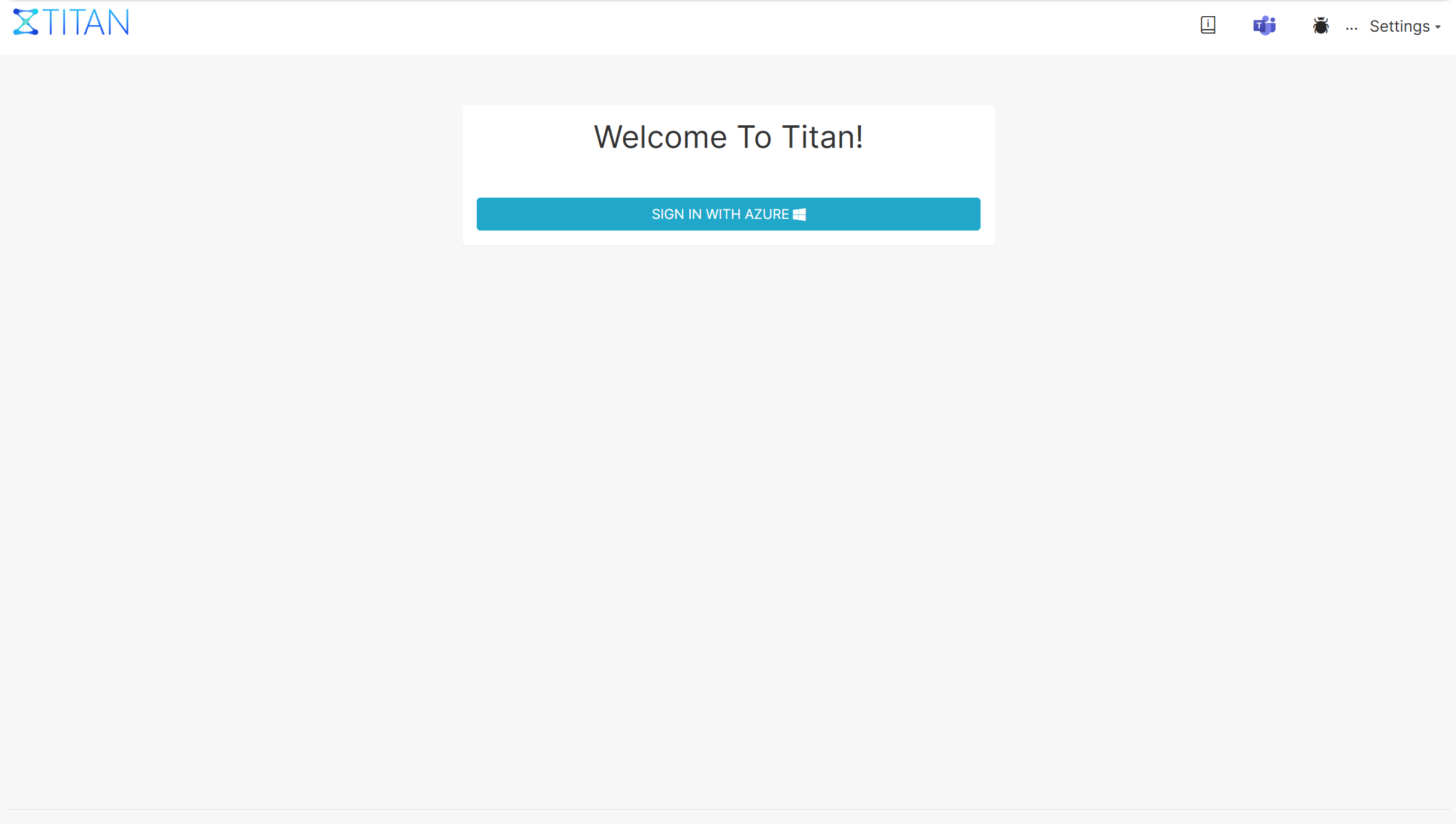
A solitary, glaring omission in cryptographic verification granted a 16-year-old student administrative dominion over a critical internal analytical platform at Microsoft. This infrastructure underpinned databases housing an estimated 17.3 trillion rows of data.
The researcher, operating under the pseudonym Faav, meticulously analyzed Titan, a proprietary internal service utilized by Microsoft for extensive analytics. While the primary web interface demanded strict VPN authentication, the associated API remained astonishingly exposed to the public internet. Among its various endpoints resided a method designed for executing raw SQL queries. To establish authorization, Titan accepted JSON Web Tokens (JWT) and seemingly verified the parameters embedded within, including the tenant, audience, application identifier, and user ID.
The Cryptographic Oversight
The catastrophic error lay dormant in the subsequent validation phase. Titan fundamentally failed to verify the cryptographic signature of the token. Consequently, an attacker could seamlessly alter the payload contents and present them to the server as legitimate. In a detailed technical breakdown, Faav explained how he constructed an unsigned JWT utilizing the “none” algorithm and strategically inserted the value “admin” into the UPN (User Principal Name) field. The service erroneously correlated this value with local user ID 1, an entity possessing absolute administrative privileges, and subsequently executed a benign test query: SELECT 1.
Following this successful infiltration, the teenager evaluated the staggering potential magnitude of his access. Of the 56 routes discovered within archaic configurations, 30 remained operational. These active pathways connected, via 24 distinct configurations, to 17 colossal ClickHouse databases. These repositories contained 9,863 unique table names. Leveraging the internal statistical telemetry of the databases themselves, Faav formulated a final estimated count of 17,333,335,124,315 rows.
Understanding the Scale of Data Exposure
This astronomical figure does not equate to the catastrophic leak of 17.3 trillion individual user records. The calculation encompasses historical archives, heavily duplicated datasets, and derived informational tables. Within the Titan metadata, the researcher observed approximately 25,000 records concerning active accounts and email addresses, 17,990 physical employee addresses, and 15,001 records detailing the corporate organizational structure. Separately, the student verified access to profound Bing analytics by extracting two samples containing merely a single row each, prudently electing not to execute a massive, unauthorized data exfiltration.
A substantial portion of the reconnaissance was executed by Antares, an AI agent engineered by Faav. For approximately ten days, the autonomous system relentlessly iterated through variables and parsed server responses, incrementally bypassing Titan’s preliminary verifications. However, the agent stubbornly persisted in injecting email addresses, failing to deduce that the UPN field could accept a rudimentary local username. The student formulated the “admin” variant independently. This incident vividly illustrates the current boundary separating autonomous agent capabilities from human intuition in complex penetration testing.
Responsible Disclosure and Remediation
Antares initially discovered the exposed API on August 25. Faav definitively confirmed his administrative access and submitted a comprehensive report to the Microsoft Security Response Center on September 5. Four days later, the corporation secured the vulnerable API, and on September 17, they awarded the researcher a $5,000 bounty. Following coordinated disclosure protocols, Faav published his technical analysis.
The Titan saga powerfully demonstrates the utter futility of supplementary authentication checks when a system blindly trusts a token’s contents without rigorously verifying its cryptographic signature. The server meticulously cross-referenced multiple parameters, yet the attacker possessed the capability to arbitrarily overwrite those exact fields with any desired value. This scenario also serves as a quintessential example of exemplary bug bounty conduct: the researcher halted immediately upon confirming access, reported the vulnerability, and patiently awaited remediation, sharply contrasting with premature disclosures that leave users utterly defenseless.
A remarkably similar class of error previously surfaced in 2026 within the pac4j-jwt library. Due to flawed handling of unsigned tokens, an attacker could inject an arbitrary role into the JWT, including “admin,” and successfully bypass authentication entirely without possessing the authentic private key.
Concurrently, Microsoft endeavors to integrate AI more profoundly into the discovery of such vulnerabilities. This spring, the company released RAMPART and Clarity, open-source tools designed to verify the security posture of AI agents during the architectural design phase. The Titan incident illuminates the inverse of this trend: while automation can relentlessly conduct technical reconnaissance for weeks, the decisive, final breach often remains contingent upon a single, intuitive human deduction.
Support Our Threat Intelligence
If you find our technology report and cybersecurity news helpful, consider supporting our work.
 Buy Me a Coffee
PayPal
Buy Me a Coffee
PayPal


