Senator Wyden Proposes Eradicating Legacy VPNs from Federal Networks
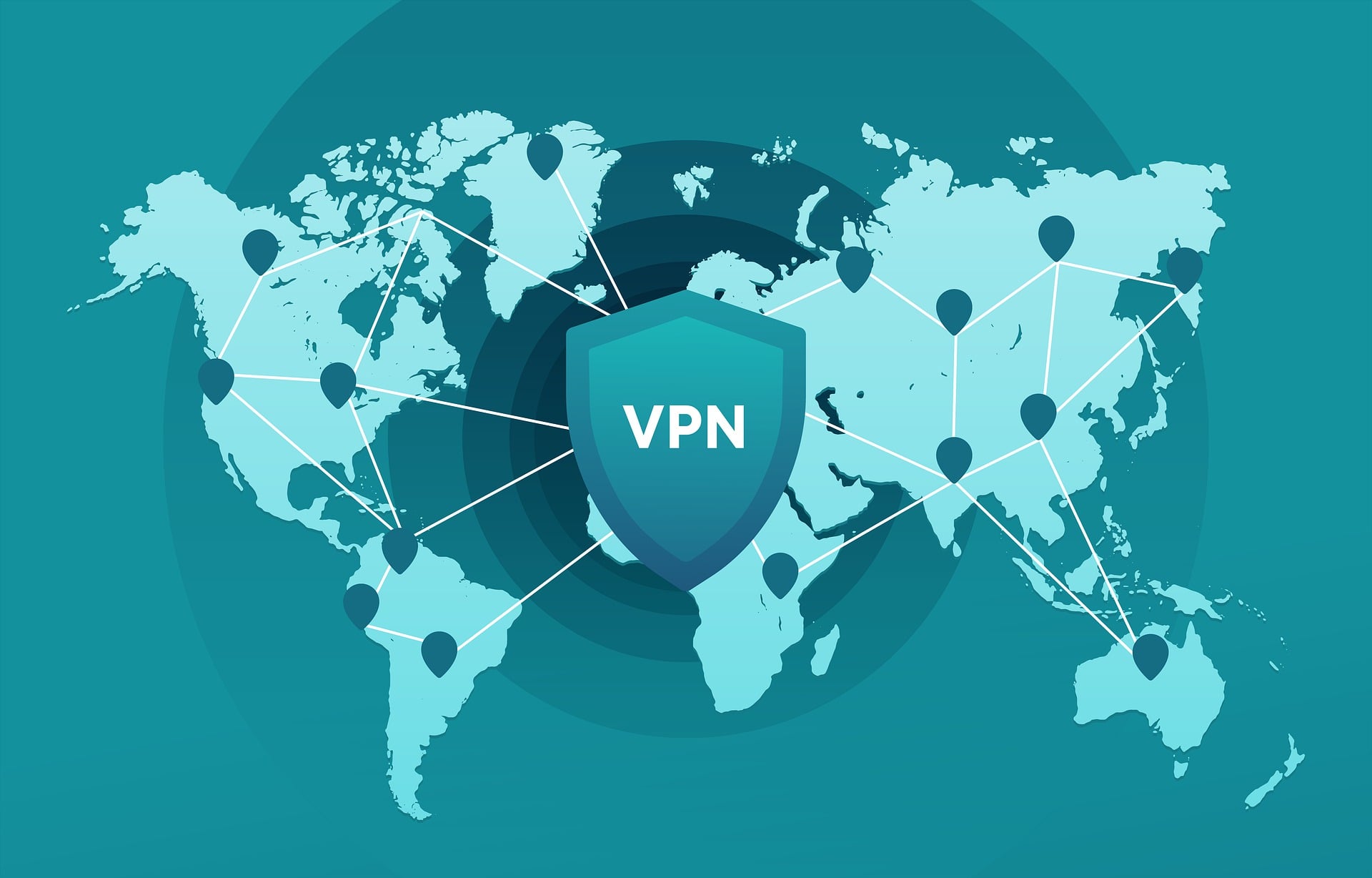
United States Senator Ron Wyden has forcefully advocated for the complete eradication of legacy VPN systems across federal agencies, military networks, and intelligence structures within a strict two-year timeframe. He argues persuasively that these antiquated architectures have devolved into highly convenient entry points for sophisticated state-sponsored hackers hailing from Russia and China.
Consequently, Wyden transmitted a formal letter to the Office of Management and Budget (OMB), the Cybersecurity and Infrastructure Security Agency (CISA), and the National Institute of Standards and Technology (NIST). He demanded the immediate imposition of mandatory remote access prerequisites. Furthermore, he insisted on prohibiting government entities and defense contractors from procuring products that fail to align with modern Zero Trust principles.
The Inherent Perils of Internet-Facing VPN Gateways
The primary targets of Wyden’s scrutiny are publicly accessible VPN gateways, the traditional conduits through which employees access internal corporate resources. Because these servers are inherently visible on the public internet, malicious actors can effortlessly locate them using automated scanners. Subsequently, attackers can identify the specific software version and ruthlessly exploit known or recently discovered zero-day vulnerabilities.
The Senator’s correspondence explicitly references a devastating series of attacks targeting solutions from industry stalwarts like Cisco, Fortinet, Ivanti, and Check Point. Exploitable flaws within these specific devices have repeatedly facilitated the catastrophic breach of American governmental and corporate networks. Wyden contends that federal agencies have relied far too long on the reactive application of security patches, critically failing to dismantle the inherently dangerous remote access architecture itself.
Transitioning to Zero Trust Architecture
To rectify this vulnerability, the Senator proposed that CISA and the National Security Agency (NSA) establish a unified, non-negotiable deadline for decommissioning legacy VPN gateways. Within two years, he mandates the total absence of such systems from civilian, military, and intelligence networks, specifically if those systems accept direct inbound connections from the public internet.
In their stead, Wyden champions the deployment of solutions that inherently conceal the remote access server from arbitrary network users. Connection privileges must be granted strictly post-verification. This authentication protocol must rigorously validate the user’s identity, the integrity of the connecting device, and the contextual parameters of the request, rather than indiscriminately establishing a connection merely upon reaching a publicly accessible VPN gateway.
Strengthening Federal Procurement Standards
Furthermore, the Senator seeks to permanently enshrine these stringent requirements within federal procurement regulations. He insists that the OMB and the Department of Defense explicitly prohibit the acquisition of any remote access tools lacking native support for Zero Trust architecture and other rigorous NIST security standards. Crucially, this proposed restriction would encompass not only government institutions but also the vast network of contractors operating alongside them.
Wyden also fervently advocated for prioritizing software products engineered using memory-safe programming languages. He correctly identified that memory management errors remain one of the most prolific sources of critical vulnerabilities within complex network software.
Currently, the Senator’s proposal constitutes a recommendation rather than a binding legal mandate. To actualize this vision, agencies such as CISA, the NSA, and NIST must collaboratively define precisely which technologies qualify as “legacy,” formalize comprehensive new operational standards, and engineer a realistic timeline for replacing the sprawling infrastructure already deployed across the federal government.
Support Our Threat Intelligence
If you find our technology report and cybersecurity news helpful, consider supporting our work.
 Buy Me a Coffee
PayPal
Buy Me a Coffee
PayPal


