A Routine QR Code Becomes a Gateway for Hackers
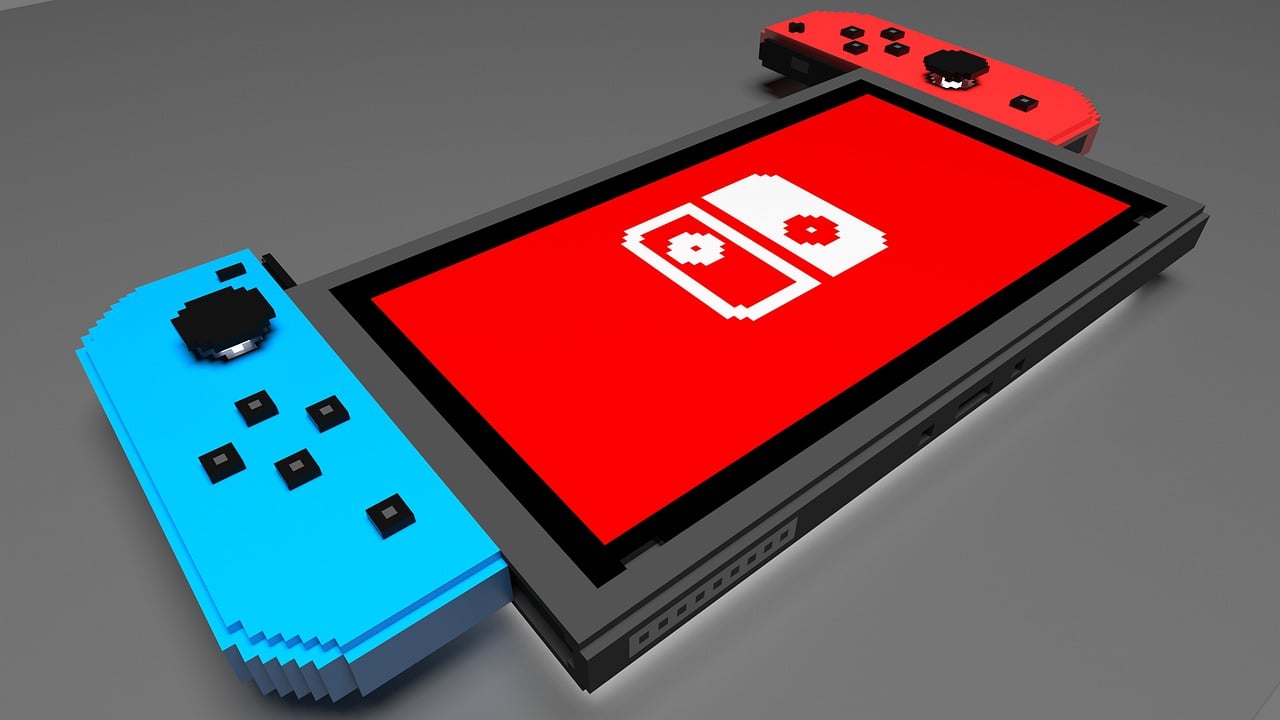
An ordinary QR code, ostensibly designed for seamlessly transferring screenshots, has alarmingly materialized as a clandestine gateway directly into the memory architecture of the console. On September 10, Nintendo officially cautioned owners across the Switch family regarding a severe vulnerability within the local wireless network framework. Consequently, they deployed system update 23.0.0 alongside detailed security advisories. This profound issue afflicts all consoles operating on firmware versions preceding 23.0.0. Conversely, the company explicitly states that the upcoming Switch 2 remains entirely impervious to this specific attack vector.
The Mechanics of CVE-2026-82079
The vulnerability, formally designated as CVE-2026-82079, originates from a devastating stack-based buffer overflow. The Cybersecurity and Infrastructure Security Agency (CISA) evaluated its severity, assigning it a formidable High rating of 8.4 on the CVSS 3.1 scale. A malicious actor situated within the operational range of the local wireless network can aggressively transmit specially crafted, anomalous traffic. By exploiting Return-Oriented Programming (ROP) a sophisticated technique that maliciously repurposes fragments of existing, legitimate code the attacker can ultimately achieve arbitrary command execution directly upon the Switch hardware.
Exploitation Requires Specific Conditions
Executing this assault, however, mandates a highly idiosyncratic prerequisite. The interloper must directly scan the exact QR code displayed by the console or the connected television during the “Send to Smartphone” operation within the digital album. This specific code primarily facilitates the connection between the smartphone and the localized Switch network. Upon successfully infiltrating this connection, the attacker can then inject the malicious traffic. This payload deliberately triggers the memory overflow, consequently initiating the destructive ROP chain sequence.
A secondary attack scenario intricately involves Mario Kart Live: Home Circuit. In this context, the QR code dictates the physical interaction with the tangible kart accessory. Nintendo solemnly notes that successful exploitation could precipitate the illicit execution of unauthorized code. Furthermore, it could facilitate the clandestine extraction of sensitive information sequestered on the console. Currently, CISA has not recorded any known, active exploitation in the wild, nor has Nintendo reported any verified attacks utilizing this method.
Comparing Vulnerabilities Across Console Generations
Although the Switch 2 is ostensibly immune to these precise scenarios, the nascent console has already exhibited alternative weaknesses. Astoundingly, on its very release day, enthusiastic security researchers publicly demonstrated a userland exploit. This flaw permitted the manipulation of program behavior without requiring deep access to the system kernel. The current CVE, however, compromises an entirely disparate component the local wireless network infrastructure and remains completely unrelated to that prior demonstration.
Recommended Mitigation Strategies
Nintendo urgently recommends the immediate installation of system version 23.0.0. If an immediate update proves unfeasible, the company strongly advises users to meticulously shield the QR code from unauthorized observers. Furthermore, players must refrain from transferring images utilizing unfamiliar smartphones and avoid deploying unverified karts within Mario Kart Live: Home Circuit. Beyond rectifying this severe flaw, version 23.0.0 comprehensively alters the operational mechanics of virtual game cards and incorporates profound system stability enhancements.
Support Our Threat Intelligence
If you find our technology report and cybersecurity news helpful, consider supporting our work.
 Buy Me a Coffee
PayPal
Buy Me a Coffee
PayPal


