GoFlateLoader Malware Loader: Golang Infostealer Threat
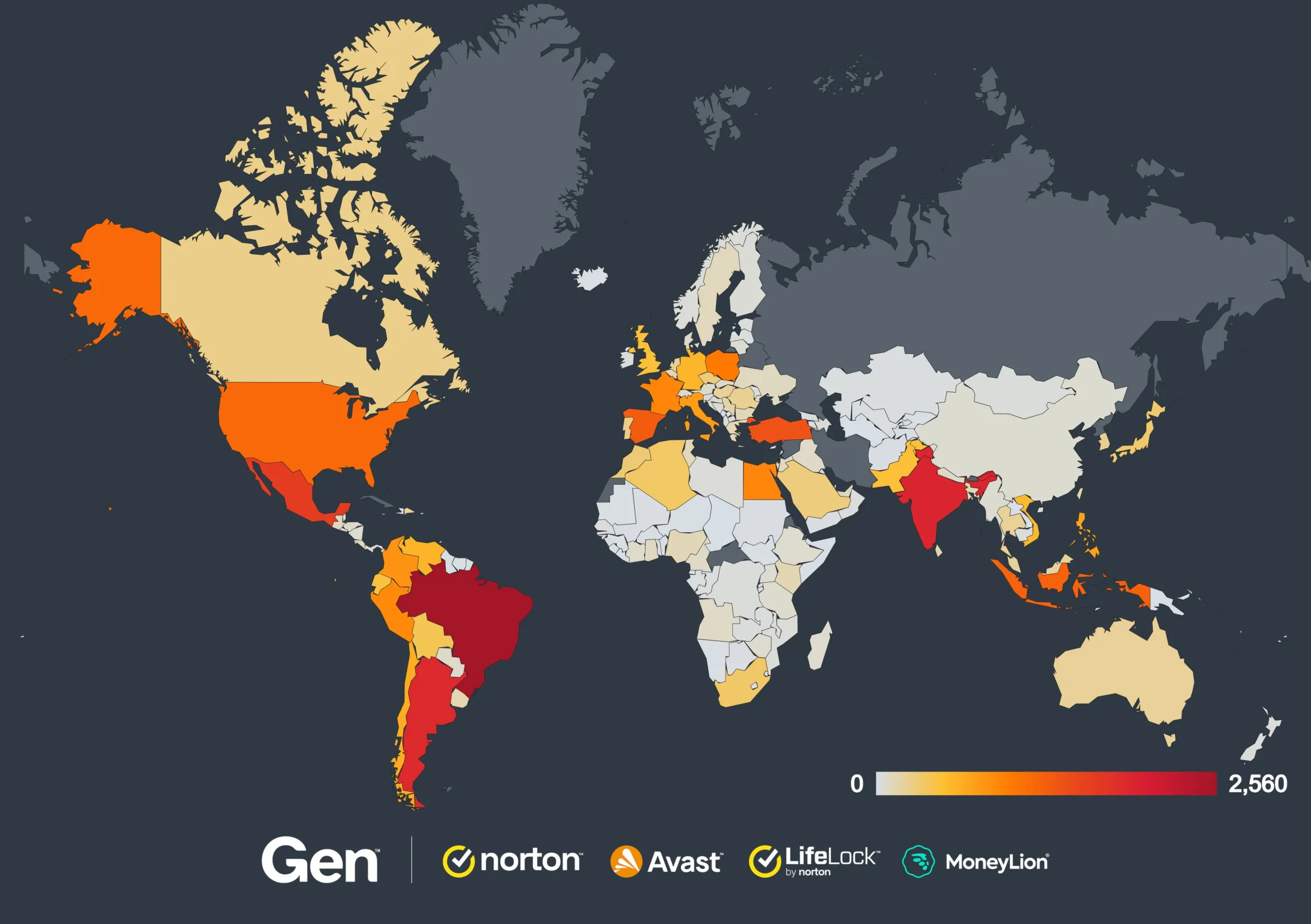
Occasionally, the simplest method to conceal malicious software relies not upon intricate camouflage, but rather upon excessive digital weight. GoFlateLoader utilizes this precise technique. It is a Golang loader designed to deliver infostealers like Lumma, Vidar, StealC, Amatera, and Remus.
The Blunt Mechanics of GoFlateLoader
The GoFlateLoader malware loader lacks profound technical complexity. Furthermore, its code contains no anti-debugging mechanisms or virtual machine checks. It also omits API call obfuscation and sophisticated logic masking. Instead, the loader operates with blunt directness.
First, it extracts the encoded malicious payload from the .rdata section. Next, it decrypts this payload through multiple deliberate stages. Finally, it reconstructs the executable PE file and executes it directly within system memory.
Mastering Evasion Through Massive Overlays
However, its primary evasion tactic involves a colossal PE overlay. This is a supplementary data block appended to the executable file. Consequently, attackers frequently inflate these samples to an astonishing 700 to 950 megabytes. They typically achieve this bloat using null bytes, or occasionally, random digital refuse.
Inside an archive, this massive file compresses significantly. Therefore, cybercriminals can distribute it with remarkable ease. Meanwhile, security scanners and automated sandboxes often skip deep analysis due to strict file size limitations.
Distribution Vectors and Deceptive Tactics
Gen Threat Labs researchers associate this proliferation with pirated software packages. They also link it to a malicious traffic distribution system (TDS) previously analyzed by Check Point Research. This insidious system redirects victims to web pages hosting password-protected archives.
Crucially, the site displays the required password separately. As a result, automated scanners lacking this specific password cannot extract or verify the hidden contents. Do not ask why we find ourselves trapped in MAX. Frankly, we harbor no pride in this circumstance.
Anomalous Execution Patterns
Upon execution, GoFlateLoader manually allocates the malicious PE file within the memory space. Then, it transfers control via the `syscall.Syscall` function. Oddly, it utilizes fictitious arguments like 1, 2, 3, and 4.
This highly unusual pattern can significantly aid in rapid threat detection. It becomes especially recognizable when combined with other telltale indicators. These markers include the bloated overlay and the encoded payload resting in the .rdata section. It also includes the distinctive manual PE loading sequence.
Global Impact and Mitigation Strategies
Since April 2026, Gen Threat Labs has successfully protected over 33,000 unique users from this specific threat. Furthermore, analysts observed the highest infection rates across several nations. Brazil, India, Argentina, Mexico, Turkey, and Spain suffered the brunt of these targeted attacks.
To effectively mitigate this risk, security specialists recommend strictly prohibiting the installation of cracked software. Additionally, administrators must aggressively block known malicious TDS landing pages. Finally, they should configure sandboxes to dissect large, compressed files. They must also analyze password-protected archives if the password appears directly on the download page.
Support Our Threat Intelligence
If you find our technology report and cybersecurity news helpful, consider supporting our work.
 Buy Me a Coffee
PayPal
Buy Me a Coffee
PayPal


