GitSpawn Exposes AI Coding Agents
A seemingly ordinary project folder can transform into a dangerous trap. This trap springs before the developer even executes their first command. Manifold Security researchers recently discovered a critical vulnerability class named GitSpawn. These vulnerabilities specifically target popular AI programming agents. Consequently, tools like Claude Code, Qwen Code, and Grok Build automatically interacted with Git. This interaction allowed the project configuration to execute arbitrary commands directly on the user’s computer.
The Mechanics of Context Gathering
The fundamental problem originates during the background context-gathering phase. The AI agent actively attempts to ascertain the current branch, modified files, or overall project status. It routinely executes standard commands like `git status` or `git diff` to achieve this. Unfortunately, several products failed to sanitize the settings located within the `.git/config` file. The specific `core.fsmonitor` parameter can contain a direct path to an external program. Git executes this program whenever it updates its index. A malicious project intentionally substitutes this path with its own destructive command.
Executing Outside the AI Sandbox
As a result, the malicious code executes utilizing the developer’s exact permissions. This execution occurs entirely outside the protective AI agent sandbox. Furthermore, it completely bypasses any confirmation prompts. The attacker potentially gains immediate access to sensitive SSH keys and critical cloud credentials. They can also steal environment tokens, access local repositories, and compromise other sensitive user files.
In one alarming scenario, Claude Code initiated this dangerous chain prematurely. It executed the code before the user even accepted the trust request for the working directory. Qwen Code could trigger before standard user authorization. Astonishingly, Grok Build launched Git upon the very first keystroke.
Limitations and Delivery Methods
However, a significant limitation exists regarding this attack vector. Standard cloning of a malicious repository via Git does not transfer the dangerous `.git/config` file. Therefore, merely providing a GitHub link remains insufficient for a successful attack. The compromised project must arrive on the computer alongside the `.git` directory itself. Attackers typically utilize ZIP archives, synchronized folders, shared network directories, or external drives for delivery. The researchers specifically utilized ZIP archives during their rigorous testing.
Patch Status Across Major Agents
Manifold Security ultimately discovered eight distinct problems affecting seven different AI agents. By the time of official disclosure, developers had successfully patched the standard Claude Code scenario in version 2.1.196. Goose received a patch in version 1.44.0. OpenAI Codex and Cursor also received critical fixes. The specific Goose vulnerability received the designation CVE-2026-72718, carrying a severity score of 7.0.
Unresolved Threats Persist
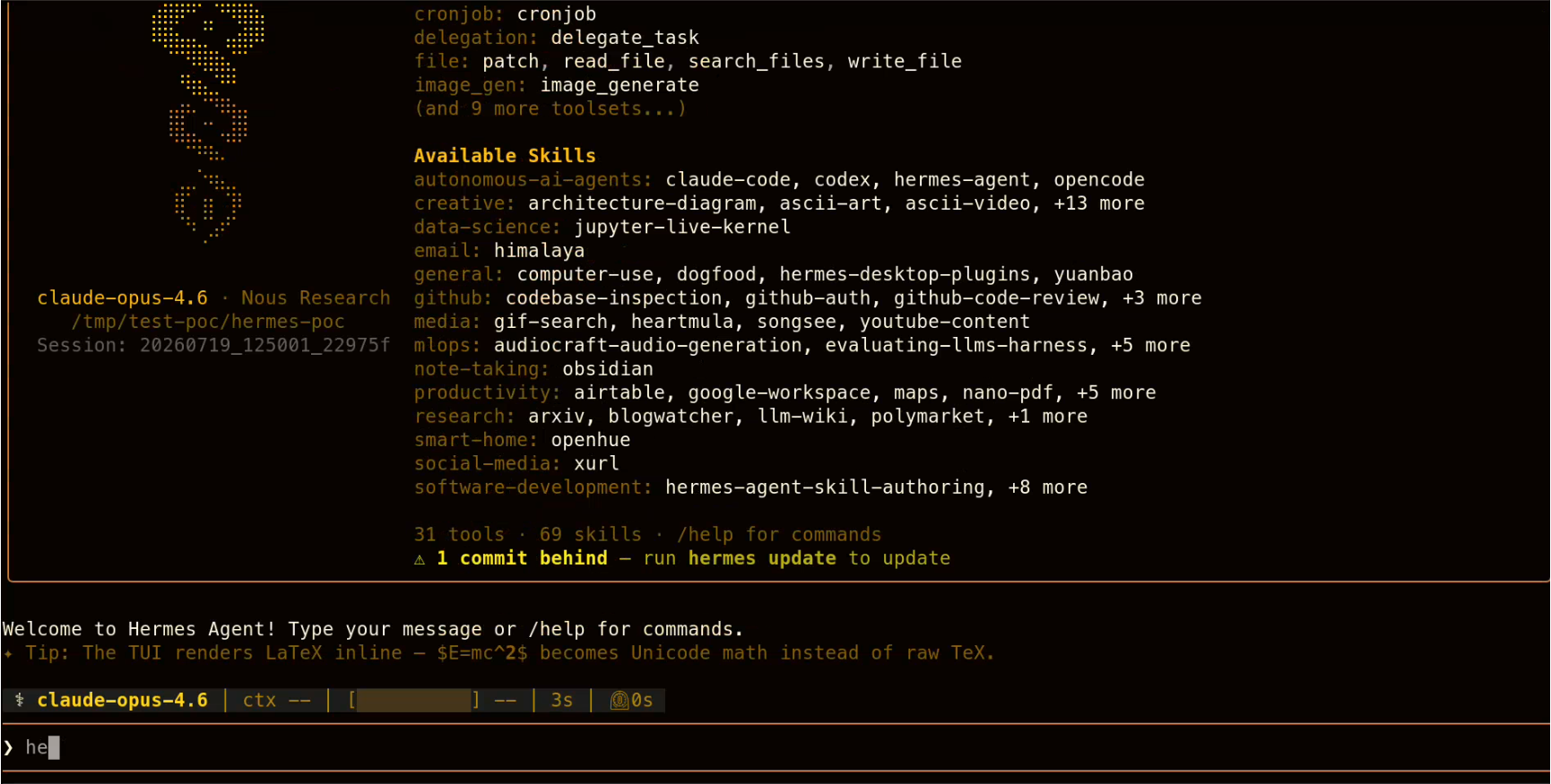
As of September 1st, four dangerous variants remained completely open. Manifold Security reconfirmed the persistent problem within Qwen Code 0.22.3, Grok Build 1.0.13, and Hermes 0.21.0. Furthermore, they identified the vulnerability within the specific `ultrareview` mode of Claude Code 2.1.252. The Hermes vulnerability officially received the designation CVE-2026-71963. Regarding the Claude Code variant, researchers deliberately withheld the specific dangerous Git parameter. They will maintain this secrecy until developers release a comprehensive patch.
The research authors strongly advise meticulously checking the `.git/config` file. Developers should perform this check before opening any projects received as file archives. They must pay close attention to any settings capable of executing external programs. The researchers also strongly recommend that agent developers actively disable all dangerous parameters during background Git calls. The GitSpawn incident highlights an unexpected weakness within this new generation of tools. The AI model itself might be highly secure. However, the familiar utility command operating beneath it can still unlock the door for an attacker.
Support Our Threat Intelligence
If you find our technology report and cybersecurity news helpful, consider supporting our work.
 Buy Me a Coffee
PayPal
Buy Me a Coffee
PayPal


