Counter-Strike 2 Cheaters Exploit VAC Live to Ban Innocent Players
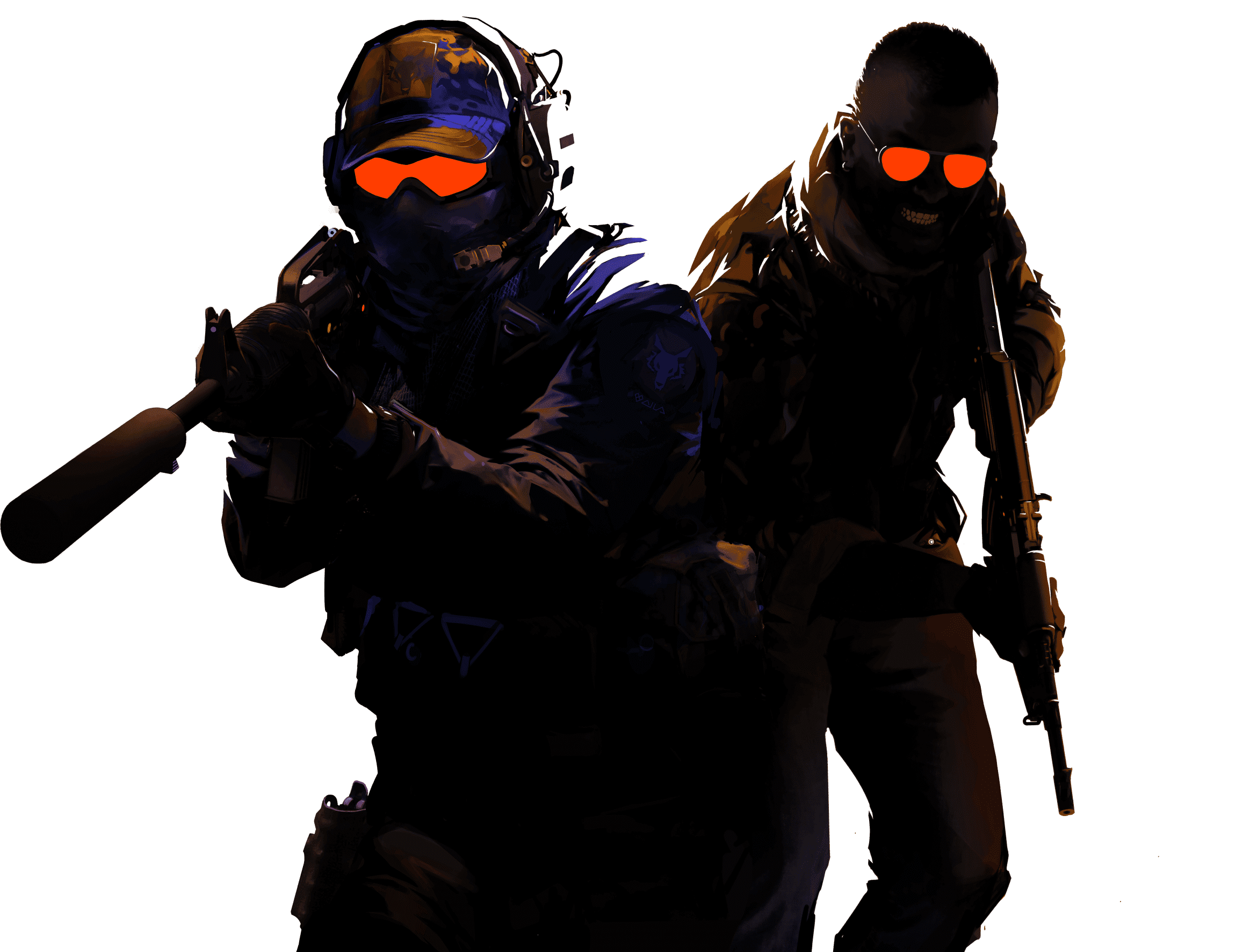
A purportedly malicious exploit has emerged within Counter-Strike 2, potentially empowering cheaters to weaponize the VAC Live anti-cheat system to secure bans against legitimate players. According to escalating reports circulating within the gaming community, these nefarious actors meticulously orchestrate a trap on the Inferno map. The resulting scenario deceives the anti-cheat algorithms into misinterpreting authentic gameplay as highly suspicious conduct. While independent empirical testing has yet to definitively authenticate this exploit, reports of false positives have surged precipitously alongside a recent anti-cheat update.
The Mechanics of the Inferno Smoke Trap
The alleged offensive heavily relies upon orchestrating profoundly anomalous player behavior. As the match commences, the offending team openly broadcasts their intention to intentionally forfeit. They subsequently deploy smoke grenades directly at their own feet within their designated spawn zone. Unsuspecting adversaries naturally perceive this as a lucrative opportunity for rapid eliminations, advancing upon the enemy base to blindly fire through the concealing smoke. According to proliferating anecdotal accounts on Reddit, VAC Live typically intervenes around the seventh round, abruptly terminating the match and inexplicably penalizing the attacking faction.
Commentators hypothesize that accumulating multiple eliminations against visually obscured opponents triggers a catastrophic false positive within the VACnet behavioral analysis engine. The anti-cheat system ostensibly misinterprets this atypically precise firing upon invisible targets as undeniable evidence of illicit software utilization. However, because VACnet’s internal heuristic criteria remain strictly classified, it is currently impossible to conclusively assert that firing through the smoke directly precipitates the ban. Furthermore, profound ambiguity persists regarding whether the afflicted players suffer a permanent VAC ban or merely a temporary matchmaking suspension.
Surging VAC Live Activity Amplifies Concerns
This precarious situation has garnered intense scrutiny against the backdrop of a dramatic escalation in VAC Live interventions. Following undocumented adjustments to Counter-Strike 2, which players began reporting en masse on October 9, the anti-cheat engine has grown remarkably aggressive in halting matches upon detecting anomalous behavior. Various player forums are now inundated with narratives detailing matches abruptly concluded after a mere six or seven rounds. While a contingent of players applauds this intensified crusade against cheaters, others harbor profound anxieties regarding unwarranted punishments. Crucially, an increased frequency of match cancellations does not inherently prove that VACnet is erroneously penalizing legitimate competitors.
The distinction between a temporary VACnet suspension and a permanent VAC ban is absolute. According to Valve’s official regulations, the detection of irregular gameplay behavior can result in immediate expulsion from the current match and a comprehensive restriction from all gameplay modes for a minimum of 24 hours. A corresponding penalty applies to all members of a pre-assembled party if the system suspects even a single comrade of foul play. Conversely, a permanent VAC ban represents an entirely distinct and far more severe sanction.
A History of False Positives and Heuristic Flaws
The specter of erroneous punishments is not a novel phenomenon for Counter-Strike 2. In January 2026, widespread grievances emerged regarding unjustified bans following a major game update, with numerous victims subsequently reporting the successful rescission of their penalties. Valve officially acknowledges the inherent possibility of false positives within automated defense mechanisms and maintains a procedural framework to reverse erroneously issued sanctions. Furthermore, in August 2024, developers formally invited players to submit detailed reports of unjustifiably canceled matches to a dedicated feedback channel.
The mechanics underlying this alleged Inferno trap resurrect a specific, lingering concern. As early as May 2025, discussions upon the Steam forums highlighted instances where firing upon opponents obscured by environmental geometry ostensibly triggered erroneous VAC verdicts. Contributors attributed this flaw to the system’s methodology for analyzing hits upon targets fundamentally occluded from the player’s line of sight. The developers never formally validated this proposed explanation; therefore, establishing a definitive correlation between those historical anomalies and this novel exploit remains impossible.
Currently, concrete data regarding the total volume of affected players, successful independent replication of the trap, or the deployment of an official patch remains unavailable. Until irrefutable technical evidence materializes, claims regarding the capacity to deliberately orchestrate VAC bans against adversaries must be regarded as unverified. Nevertheless, if this exploit functions as described, it exposes a profound vulnerability. It not only compromises the fundamental accuracy of the anti-cheat infrastructure but also demonstrates how the defensive mechanisms of Counter-Strike 2 can be nefariously wielded as a weapon against the very community they were designed to protect.
Support Our Threat Intelligence
If you find our technology report and cybersecurity news helpful, consider supporting our work.
 Buy Me a Coffee
PayPal
Buy Me a Coffee
PayPal


