Institutional Custody: Apple Fortifies Parental Sovereignty Over Juvenile Devices
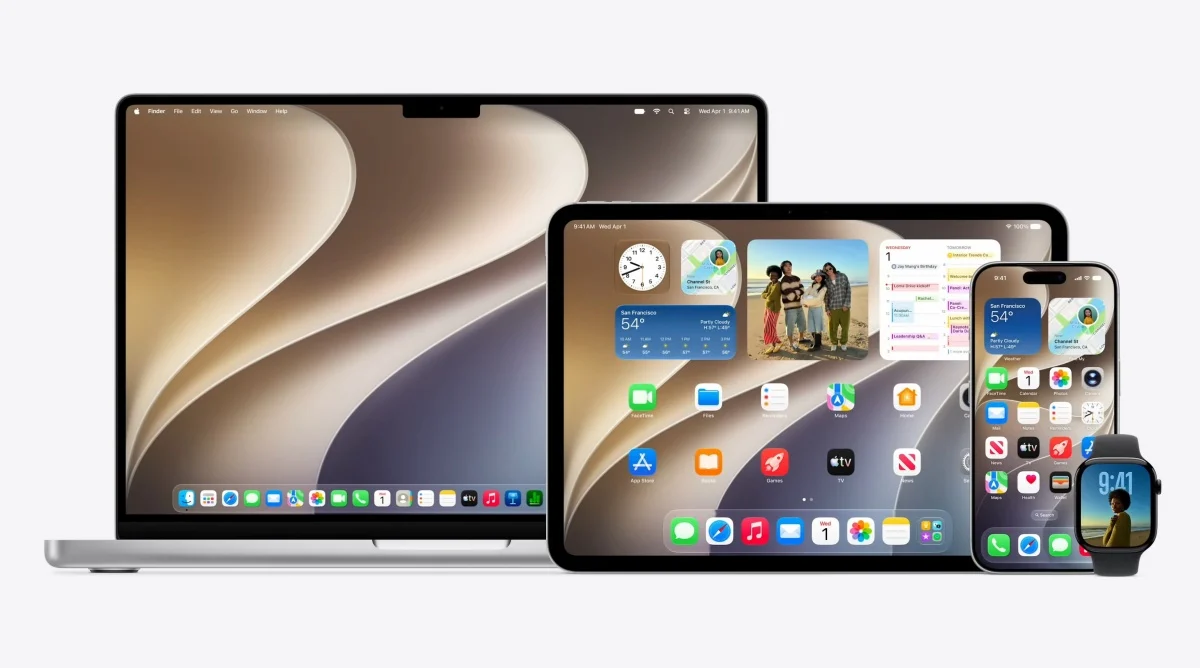
Apple intends to transform youth-oriented iPhones and iPads. Specifically, the enterprise wants these devices to function less like perpetual toys. Instead, they will operate under continuous adult stewardship. In the forthcoming iOS iteration, the corporation will aggressively expand parental controls. Consequently, the operating system will demand adult verification for pivotal actions. These triggers include browsing unfamiliar websites, downloading software, or initiating novel digital communications.
Regulating Digital Consumption Patterns
These newly minted measures explicitly target children and adolescents. Admittedly, Apple asserts that smartphones and tablets cultivate academic growth and independent creativity. However, the tech giant simultaneously concedes that unconstrained hardware easily degenerates into an engine of endless distraction. Therefore, the architecture will introduce more stringent configuration thresholds. These parameters will tightly govern device schedules, application exposure, web navigation, and messaging histories.
Advanced Navigation and Access Constraints
Ingestion and Browsing Restrictions
Presently, youth accounts natively obstruct mature web content. Nevertheless, the platform will broaden these oversight boundaries significantly. Administrators can precisely determine software availability. If a child attempts to install a novel utility, the operating system routes an authorization request via the “Ask to Buy” pipeline. Similarly, this restrictive mechanism extends to web surfing activities. When a minor departs from a verified domain to explore an untrusted site, the terminal immediately requests adult approval.
Communication Auditing and Content Moderation
Furthermore, Apple will grant guardians superior sovereignty over calls and correspondence. Following the autumn deployment of the upgraded software, children can only engage with unrecognized interlocutors after explicit adult validation. Additionally, the system will dynamically scan inbound and outbound media for nudity and graphic violence. The architecture then automatically applies a heavy blur filter to objectionable content. Crucially, this protective shield will operate pervasively across applications, encompassing real-time FaceTime interactions.
Granular Screen Time Orchestration
A distinct matrix of upgrades redefines traditional screen time metrics. Specifically, Apple will segregate entertainment, gaming, and social media into isolated categories. The platform then imposes distinct daily usage limits on each sector. During the introductory exhibition, the corporation demonstrated a profile where gaming endured a rigid sixty-minute restriction. Concurrently, social media exposure collapsed to a mere thirty minutes. Guardians can also establish absolute blackout intervals, ensuring software remains inaccessible during scholastic hours.
Moreover, the system introduces even more decisive interventions. Overseers can instantly enact a temporary device freeze or grant unhindered utilization. They can also audit comprehensive analytical logs detailing exact application usage metrics. Apple justifies these granular interventions by emphasizing its desire to safeguard vital real-world activities. Consequently, this architecture preserves dedicated windows for academic pursuits, physical athletics, rest, and face-to-face socialization.
Institutional Collaboration and Compliance
Notably, the enterprise developed these protective capabilities alongside prominent advocacy groups. These partners include the American Academy of Pediatrics, Childnet, ConnectSafely, the Family Online Safety Institute, and Common Sense Media. Furthermore, Apple confirmed an active collaboration with the American Academy of Pediatrics. This joint venture aims to synthesize a tailored family media blueprint natively optimized for its ecosystem devices.
Support Our Threat Intelligence
If you find our technology report and cybersecurity news helpful, consider supporting our work.
 Buy Me a Coffee
PayPal
Buy Me a Coffee
PayPal


