Usbliter8 BootROM Exploit Targets iPhone 11
Unpatchable Hardware Vulnerabilities Emerge
Even the most robust smartphone security inevitably ages alongside its hardware. Recently, Paradigm Shift vividly demonstrated this reality with the iPhone 11. Surprisingly, this older device still receives the latest iOS updates. However, researchers just published the usbliter8 bootROM exploit targeting this hardware. This early startup code executes long before the operating system actually loads. Consequently, this hardware-level flaw prevents Apple from issuing a standard iOS patch. Therefore, users can only eliminate this risk by upgrading to newer hardware.
Impacted Devices and Attack Methodology
Specifically, this vulnerability compromises the A12 chip inside the iPhone XS. Furthermore, it impacts the Apple Watch Series 4 containing the S4 chip. Additionally, the flaw exposes the A13 processor powering the iPhone 11. It also affects the S5 chip within the Apple Watch Series 5, first-generation SE, and HomePod mini. To execute a successful attack, hackers strictly require direct physical access. Moreover, they must utilize a specialized Raspberry Pi setup. This necessity arises because the exploit targets a proprietary USB controller segment. Standard Mac or PC USB stacks simply cannot access this specific architectural component.
Understanding the USB Packet Exploit
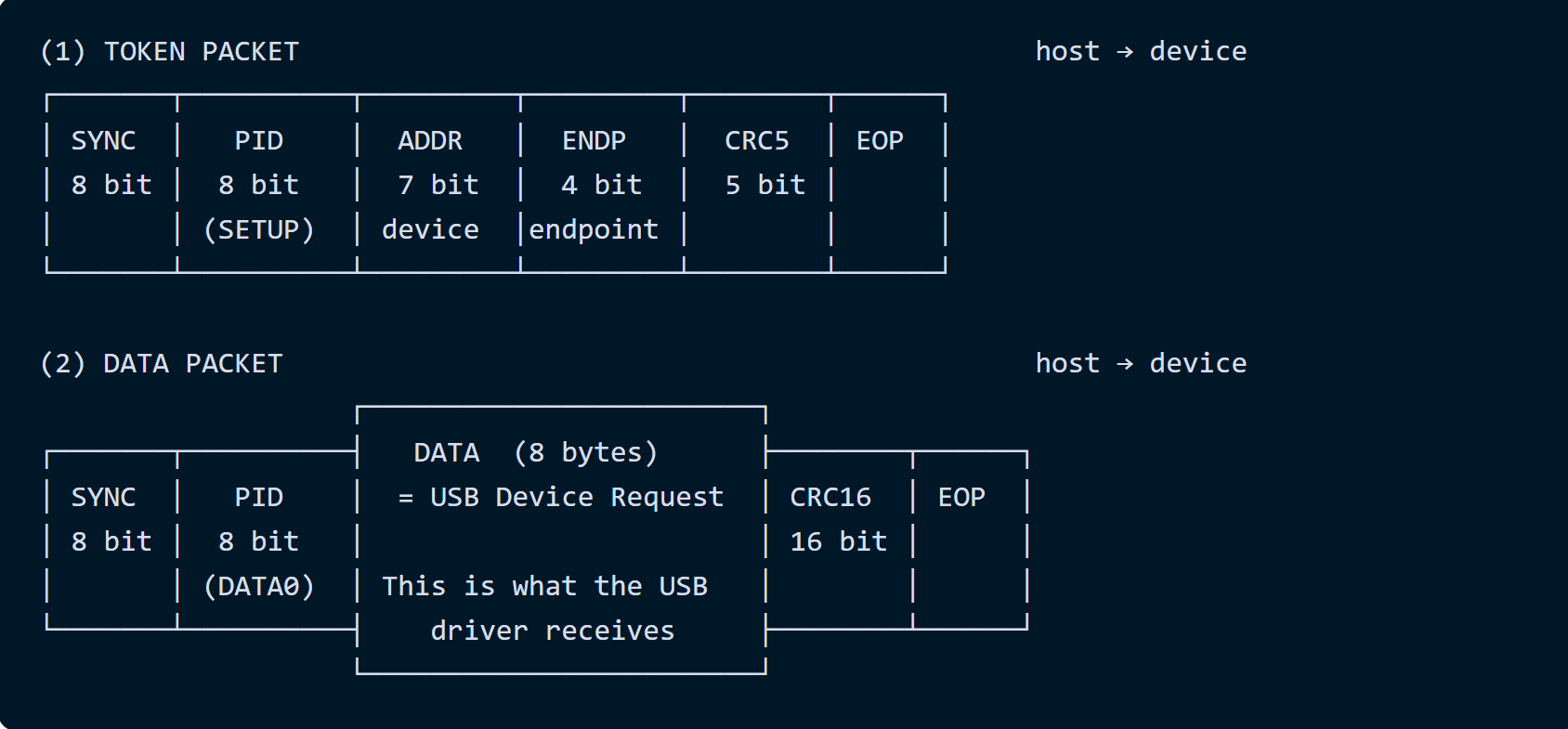
Fundamentally, the exploit manipulates how the hardware processes incoming USB packets. In A12 and A13 processors, the controller mishandles this critical data transmission. Consequently, it leaves the SRAM contents completely unprotected and highly vulnerable. Older processors successfully avoid this severe architectural complication. They automatically reset the DMA address following every single transmitted packet. Fortunately, Apple successfully altered this critical configuration in the A14 processor and subsequent generations. For a comprehensive technical analysis, review the official publication on the usbliter8 exploit blog.
Untethered Jailbreaks and Firmware Persistence
During demonstration testing, usbliter8 successfully achieved an untethered device jailbreak. On A12, S4, and S5 processors, researchers describe this specific procedure as relatively straightforward. Conversely, attacking the newer A13 chip presents a significantly greater technical challenge. This difficulty stems directly from the SecureROM Pointer Authentication Code defenses. This robust security protocol rigorously verifies memory transition authenticity during execution. Nevertheless, the underlying processor ultimately remains structurally vulnerable to sophisticated exploitation. Furthermore, the heavily modified firmware permanently survives subsequent system reboots.
The Enduring Threat to Active Devices
Practically speaking, the iPhone 11 generates the most significant industry concern. Most devices utilizing these compromised chips are currently obsolete or retired. However, the iPhone 11 remains Apple’s oldest officially supported smartphone running iOS 26. Furthermore, industry sources confidently confirm it will maintain iOS 27 support this autumn. Therefore, this severe hardware vulnerability directly threatens active, daily-use consumer devices.
Protecting Against Physical Exploitation
Previously, the infamous checkm8 unpatchable jailbreak emerged in late 2019. That exploit permanently compromised every device spanning from the iPhone 4S to the iPhone X. Now, combined with usbliter8, this new exploit chain leaves extensive device generations exposed. Hackers can effectively compromise all models from the iPhone 4S directly through the iPhone 11. Ultimately, modern software updates cannot fully neutralize these fundamental hardware vulnerabilities. To minimize potential risks, owners must never leave affected devices unattended in public spaces. They should strictly limit physical access to their personal smartphones and smartwatches. Finally, users should strongly consider transitioning to devices featuring A14, S6, or newer silicon.
Support Our Threat Intelligence
If you find our technology report and cybersecurity news helpful, consider supporting our work.
 Buy Me a Coffee
PayPal
Buy Me a Coffee
PayPal


