Firefox CVE-2026-10702 Exploit: Android Flaw Exposed
Sometimes, compromising a digital environment requires zero downloads or explicit user confirmations. Indeed, the CVE-2026-10702 vulnerability embedded within Firefox for Android enabled seamless arbitrary code execution. Unsuspecting victims merely needed to visit a single, specially crafted malicious webpage.
The Core JIT Compiler Vulnerability
Researchers at Nebula Security uncovered a profound architectural flaw within the Firefox JIT compiler. Specifically, this critical component translates frequently executed JavaScript into rapid machine code. Their insightful analysis of the Firefox CVE-2026-10702 exploit reveals exactly how this sophisticated attack unfolds. Consequently, Mozilla assigned this severe vulnerability a remarkably high danger rating. They successfully patched the pressing issue in Firefox version 151.0.3. Subsequently, Red Hat evaluated the persistent threat at a formidable 7.5 on the CVSS 3.1 scale. Historical source code analysis revealed the dangerous flaw lingered within multiple stable releases. It directly affected versions 147 through 151.0.2. Fortunately, the robust Firefox ESR 140.12 branch remained entirely unaffected.
Memory Mismanagement Mechanics
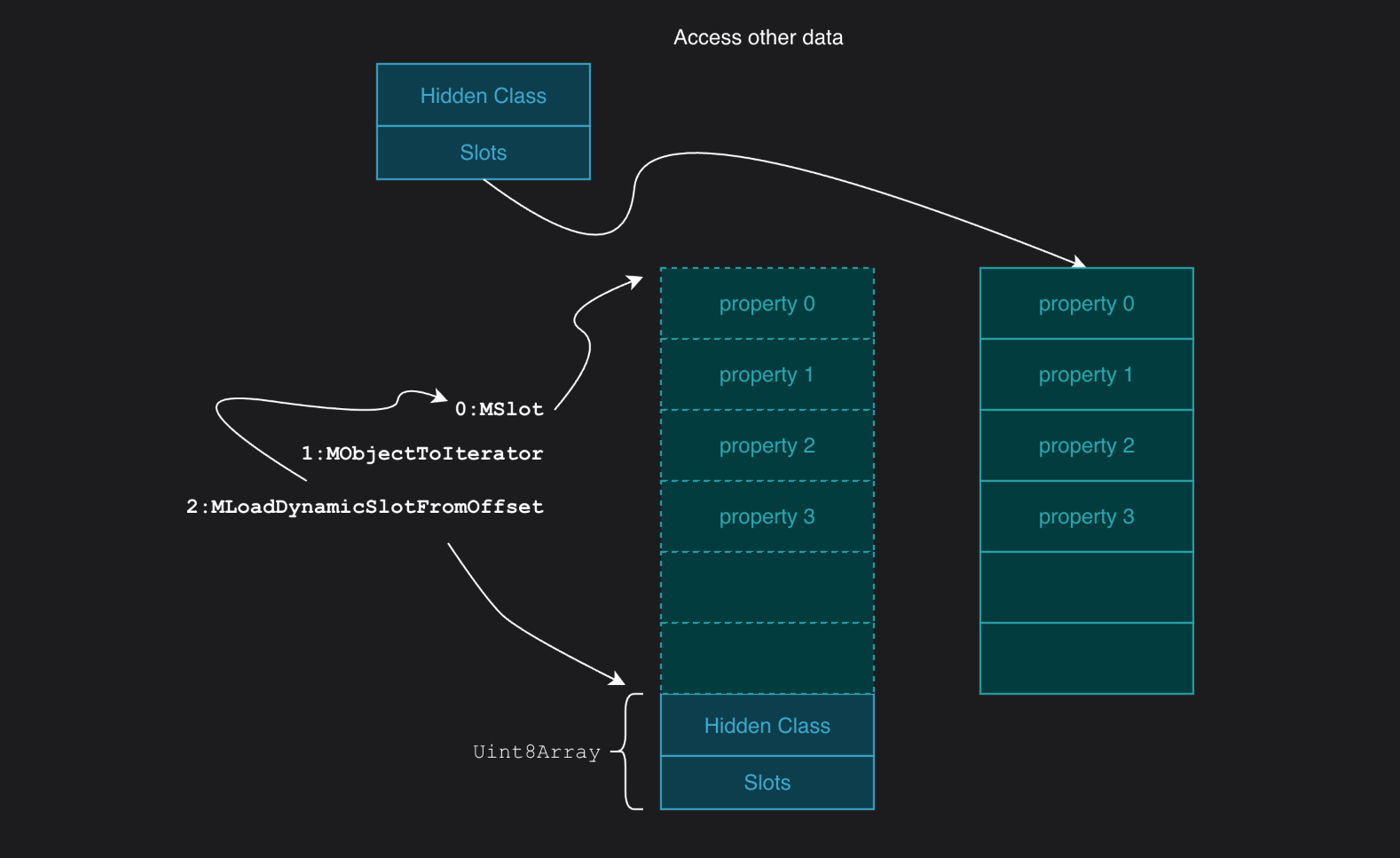
This systemic failure ultimately originated from an inaccurate operational description within the core compiler. The browser incorrectly assumed a specific internal operation solely read system memory. However, under precise environmental conditions, it could actually replace a targeted object’s buffer. It would then erroneously liberate the previous memory allocation. Meanwhile, the software optimizer blindly continued utilizing the freshly invalidated pointer. This fatal oversight permitted attackers to overwrite the newly freed data. Ultimately, it granted them arbitrary, unmitigated access to the browser’s protected internal process memory.
The IonStack Attack Chain
In strict isolation, CVE-2026-10702 only executes unauthorized code within the heavily sandboxed Firefox process. Therefore, Nebula Security utilized it merely as the initial digital breach. It served as the primary phase of their formidable IonStack demonstration chain. This highly sophisticated attack specifically targeted an ARM64 device running Android 17. The published exploit code functioned flawlessly across several officially supported Pixel 10 environments. It seamlessly altered rigid memory access privileges. Finally, it masterfully redirected WebAssembly execution toward the maliciously injected payload.
Elevating Privileges with GhostLock
The second distinct operational phase involved an entirely separate Linux kernel vulnerability. Researchers officially identified this secondary flaw as CVE-2026-43499, scoring a 7.8 CVSS. Nebula Security appropriately christened this powerful secondary exploit “GhostLock.” The initial browser error effectively secured the vital remote access foothold. Consequently, the secondary kernel flaw bestowed absolute root privileges upon the compromised host device. Currently, cybersecurity experts have not yet finalized a complete exploit chain targeting x86 architectures.
Implications and Necessary Precautions
Certain Tor Browser iterations relying upon affected Firefox builds inherently shared this vulnerability. However, global security teams have not established an exhaustive, definitive list of compromised releases. As of July 28, 2026, researchers found no confirmed instances of active exploitation in the wild. Nevertheless, proactive Firefox users must promptly install the most recent browser iteration. This crucial software update permanently seals the CVE-2026-10702 entry point. However, it cannot resolve the lingering GhostLock vulnerability deeply embedded within the core Linux kernel.
Support Our Threat Intelligence
If you find our technology report and cybersecurity news helpful, consider supporting our work.
 Buy Me a Coffee
PayPal
Buy Me a Coffee
PayPal


