Danglegeddon: Subdomain Takeover Vulnerabilities in Cloud Infrastructure
Understanding Dangling DNS Records
Forgotten domain records often lurk unnoticed within corporate networks. Consequently, these abandoned entries create severe security risks when cloud resources expire. Recently, security researchers at Silent Push conducted a comprehensive investigation into these vulnerabilities. In their research on subdomain takeover vulnerabilities, experts analyzed over twelve thousand enterprise domains. Specifically, the study covered government agencies, financial institutions, automakers, and pharmaceutical firms.
During this controlled assessment, researchers identified nearly sixteen thousand vulnerable subdomains. Furthermore, they successfully automated the takeover process for four thousand targets. Fortunately, the team conducted all tests under strict security protocols. They notified affected organizations immediately to prevent actual cyber attacks.
How Danglegeddon Threatens Enterprise Systems
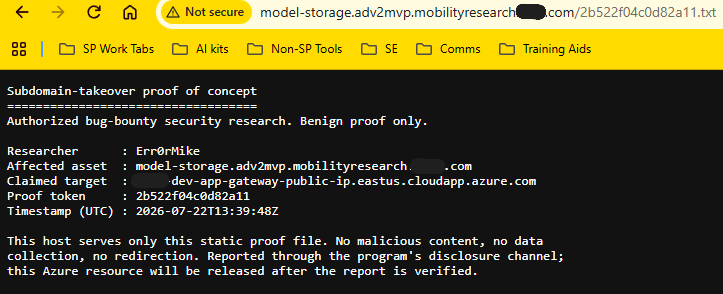
Researchers named this widespread threat Danglegeddon. Primarily, the flaw occurs after an organization deletes a cloud storage container, virtual machine, or web application. However, the associated DNS record often remains active and points to the abandoned resource address. Therefore, an attacker can register that same resource and control the subdomain content.
Risks of Hijacked Subdomains
A hijacked subdomain does not immediately grant access to internal networks. Nevertheless, trusted domains present severe operational risks. For instance, attackers can host convincing phishing pages under legitimate company names. Additionally, adversaries can acquire valid TLS certificates and bypass perimeter filters. Poorly configured session cookies may also expose user credentials to theft.
Automating Vulnerability Detection with AI
Silent Push utilized automated scripts alongside Claude Opus 5 to identify lingering records. Moreover, the artificial intelligence model mapped enterprise domains to vulnerable cloud services in just a few hours. The team applied a single standardized testing technique across all target systems. As a result, researchers demonstrated takeovers involving federal agencies and major corporations. Most exposed targets stemmed from deleted Microsoft Azure assets that still had active DNS pointers.
Essential Mitigation Strategies for Cloud Security
Organizations must adopt proactive measures to eliminate dangling DNS records. First, security teams should remove DNS records before turning off cloud assets. Second, administrators ought to inspect NS and MX records regularly. Furthermore, companies should assign clear ownership for every active domain entry. Finally, implementing CAA records and continuous monitoring ensures robust defense against emerging threats.
Support Our Threat Intelligence
If you find our technology report and cybersecurity news helpful, consider supporting our work.
 Buy Me a Coffee
PayPal
Buy Me a Coffee
PayPal


