Modular Drone Defense for Modern Navies
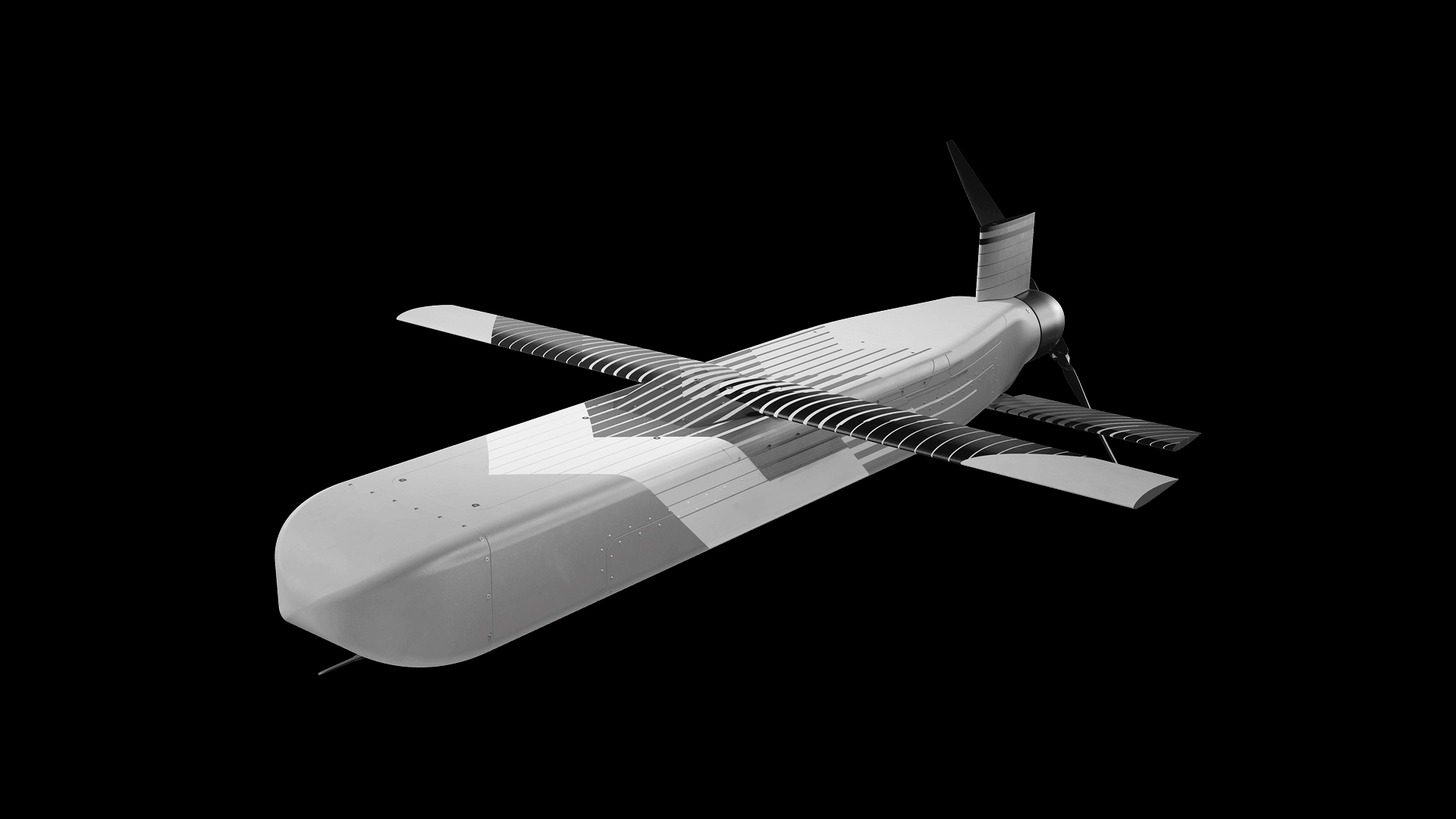
Naval forces may soon possess the capability to bolster their drone defenses as effortlessly as a vessel loads a new cargo module. Destinus, OMT Group, and CUBEDIN are collaboratively engineering a containerized module featuring the Hornet interceptor family. Crucially, this system can be integrated onto existing warships without necessitating profound structural modifications.
The consortium plans to house this sophisticated system within standard 10 or 20-foot modular containers. Destinus will supply the Hornet interceptors alongside the internal launch architecture. Simultaneously, OMT will spearhead the physical adaptation to diverse ship platforms. Finally, CUBEDIN will forge standardized interfaces for power distribution, vital data transmission, and seamless integration with overarching onboard systems.
The Economics of Modern Air Defense
The primary objective of this project addresses the stark economic reality of contemporary air defense. A massive swarm of relatively inexpensive unmanned aerial vehicles can rapidly deplete a warship’s inventory of exorbitant anti-aircraft missiles. A container teeming with highly accessible interceptors aims to establish an essential, supplementary echelon of defense. This strategy preserves the primary, high-value shipborne missiles for substantially more complex and perilous targets.
This strategic vulnerability became glaringly apparent amidst the proliferation of massive, coordinated drone attacks. These tactics deliberately overwhelm both detection and interception capabilities with a deluge of low-cost apparatuses. The architects of the Hornet anticipate bridging the critical chasm between traditional countermeasures for small UAVs and prohibitively expensive surface-to-air missile complexes.
Flexibility Through Containerization
Furthermore, the containerized paradigm facilitates rapid armament reconfiguration tailored to specific mission profiles. A vessel could seamlessly embark an anti-drone module prior to deploying into a high-threat aerial environment. Subsequently, the crew could swap the module for disparate equipment upon mission completion. Such unparalleled flexibility is paramount for legacy vessels. Historically, installing a permanent defensive complex required protracted engineering and radical alterations to the hull, power grid, and integrated systems.
The Hornet B2 Interceptor Architecture
The Hornet B2 inherently diverges from the architecture of a classical anti-aircraft missile. The interceptor resides within a hermetically sealed launch canister and initiates its flight via a solid-rocket booster. Subsequently, it deploys its wings and transitions to sustained flight powered by an electric propulsion system. For target acquisition, the system leverages advanced electro-optical and infrared sensors. Furthermore, software imbued with artificial intelligence algorithms processes targeting data during the terminal flight phase. Ultimately, the crucial decision to engage the interceptor remains strictly under human command.
Upcoming Naval Trials and Deployment
This formidable technology is already advancing toward rigorous testing aboard active military vessels. The Netherlands Ministry of Defence and Destinus have inaugurated a program to integrate the Hornet B2 with several ships of the Royal Netherlands Navy. This comprehensive project encompasses the delivery of interceptors, thorough validation of interaction with shipboard systems, and the establishment of essential logistical infrastructure. The program is slated for completion in the second quarter of 2027.
The containerized iteration currently resides at an earlier developmental stage. The partners must first navigate preliminary and critical design reviews. Subsequently, they will execute a comprehensive qualification process for rigorous maritime operations. Upon the culmination of this development, the consortium intends to offer this revolutionary system to various European naval forces.
Support Our Threat Intelligence
If you find our technology report and cybersecurity news helpful, consider supporting our work.
 Buy Me a Coffee
PayPal
Buy Me a Coffee
PayPal


