Strategic Equilibrium: Google and NVIDIA Tap Intel to Hedge AI Supply Chain Risks
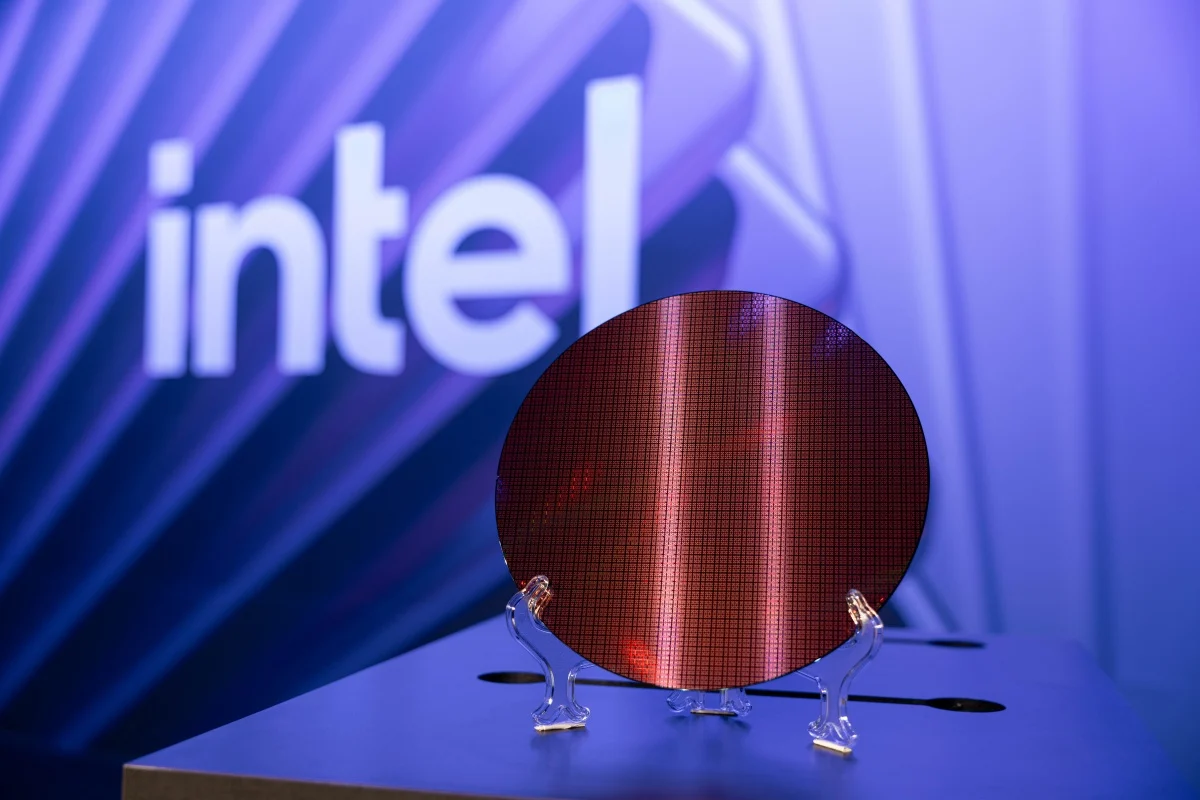
For years, the lifeblood of the global artificial intelligence boom remained tethered to a handful of Taiwanese foundries. Specifically, tech conglomerates relied heavily on Taiwan Semiconductor Manufacturing Company (TSMC). However, this extreme geographical and vendor dependence has heightened industry anxieties regarding supply chain volatility. Consequently, a recent report from The Information indicates that tech giants are aggressively seeking alternatives. Notably, the most unexpected candidate on their roster is a resurgent Intel.
Concrete Commitments and Advanced Testing
According to internal sources, Google has placed a monumental order with Intel. Specifically, the tech giant commissioned over three million custom Tensor Processing Units (TPUs) scheduled for 2028 delivery. Meanwhile, NVIDIA is actively evaluating Intel’s proprietary advanced packaging and its cutting-edge 18A process node.
At the recently concluded COMPUTEX 2026 exposition, competitive pressures in the hardware sector mounted significantly. For instance, NVIDIA expanded its footprint via the Arm-based Vera CPU for AI servers. Furthermore, the company partnered with MediaTek to unveil the RTX Spark compute platform for Windows on Arm.
Intel, however, appeared entirely unfazed by these aggressive competitive maneuvers. Instead, executives underscored that Intel processors still power the vast majority of global data centers. Additionally, the enterprise maintains absolute dominance over the consumer personal computer market. Ultimately, leadership asserted that the Intel 18A node has already achieved seamless integration across diverse operational deployments.
Capacity Scarcity Alters Strategic Sourcing
Unquestionably, TSMC manufactures the vast majority of the world’s leading-edge artificial intelligence silicon architectures. Yet, the foundry continuously struggles to satisfy unprecedented market demands. In particular, the primary logistical bottleneck resides within advanced packaging production lines. These lines integrate delicate compute dies with High Bandwidth Memory (HBM) modules.
For technology giants designing coveted silicon architectures, the scarcity of advanced manufacturing capacity has become a critical vulnerability. Consequently, hardware designers like AMD and NVIDIA announced significant investments in the Taiwanese hardware ecosystem. These initiatives aim to secure continuous allocations from TSMC.
Nevertheless, Google and NVIDIA are pursuing vastly divergent approaches to secure their long-term supply pipelines.
Google’s Definitive Logistic Countermeasures
Google has chosen to take decisive, operational action to solidify its semiconductor pipeline. Following months of rigorous evaluation, the enterprise finalized its massive three-million-unit TPU order with Intel. Currently, the company is aggressively deploying its eighth-generation architecture, designated as TPU 8t and 8i.
Regarding long-term infrastructure, Morgan Stanley estimates that Google’s cumulative TPU deployments will surpass six million units between 2027 and 2028. Evidently, this aggressive sourcing strategy aims to mitigate a double dependency on both NVIDIA and TSMC. By integrating Intel into its manufacturing portfolio, Google executes a highly sophisticated, strategic hedge over its silicon assets.
NVIDIA’s Multi-Project Wafer Diagnostics
Conversely, NVIDIA has withheld explicit purchasing commitments but has initialized substantial diagnostic trials. Reportedly, the graphics pioneer is participating in Multi-Project Wafer (MPW) pilot runs utilizing Intel’s 18A node. Notably, Intel relies heavily on this specific advanced node, which already powers its consumer-grade Panther Lake processors.
Through these trial runs, NVIDIA is testing Intel’s capacity to fuse four distinct graphics dies into a unified processing unit. Crucially, this experimental architecture correlates directly with NVIDIA’s upcoming “Feynman” GPU roadmap slated for 2028.
For Intel, this cautious corporate curiosity represents an extraordinary institutional milestone. After all, the corporation expended immense capital to transform its foundry division into an independent competitor capable of rivaling TSMC. Unfortunately, these ambitious efforts previously yielded limited market adoption and severe financial deficits.
Prior to this breakthrough, Intel continuously courted Apple while navigating complex equity arrangements involving the United States government. Ultimately, tangible commercial orders yield far greater corporate salvation than mere market goodwill.
Advanced Packaging as an Analytical Stepping Stone
Industry analysts suggest that advanced packaging provides Intel with its most viable short-term entry point into the market. Rather than engaging in a direct manufacturing conflict with TSMC, Intel can exploit packaging bottlenecks. Simultaneously, memory giant SK Hynix is reportedly validating the architectural stability of its HBM modules alongside Intel packaging solutions.
Balancing the Scales of Global Semiconductor Dominance
These subtle market movements signal a profound rebalancing of the global semiconductor supply chain. Granted, these preliminary tactical maneuvers will not immediately dethrone TSMC from its industry vanguard position. Nevertheless, they broadcast a definitive message to the global technology ecosystem.
The world’s most powerful artificial intelligence designers are no longer willing to concentrate their assets within a single geographical territory. While maintaining their core alliances with TSMC, these enterprises are proactively pivoting toward Intel’s advanced manufacturing pipelines to mitigate systemic risk.
For Intel, an enterprise desperately requiring a marquee customer to validate its foundry renaissance, Google’s massive order provides a vital lifeline. Ultimately, this development proves that despite widespread skepticism, Intel still commands significant leverage in the global AI arms race.
Support Our Threat Intelligence
If you find our technology report and cybersecurity news helpful, consider supporting our work.
 Buy Me a Coffee
PayPal
Buy Me a Coffee
PayPal


