Cryptographic Resilience: Dashlane Thwarts Automated Device Registration Incursion
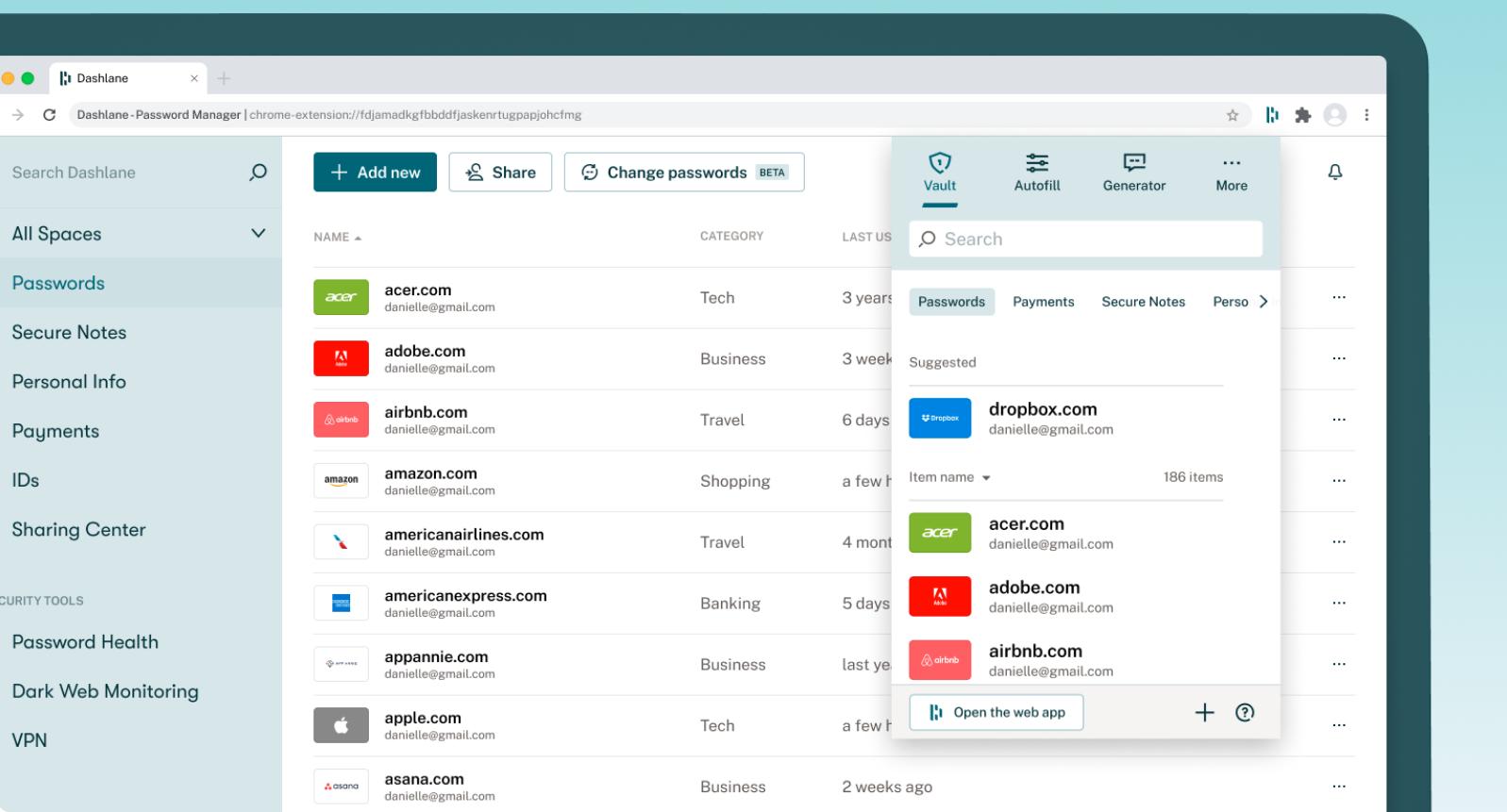
Even a transient six-digit credential can attract a massive automated assault. This vulnerability manifests when adversaries find methods to iterate combinations programmatically. Consequently, Dashlane disclosed a targeted exploitation attempting to compromise select user repositories. The incursion commenced on May 31, 2026. Specifically, the onslaught focused on the architectural mechanism governing new device registration. Threat actors systematically guessed one-time verification tokens to authorize illicit hardware. Their ultimate objective centered on exfiltrating encrypted password vaults.
Automated Defenses and User Impact
Fortunately, native defensive perimeters reacted autonomously to mitigate the threat. The system temporarily restricted accounts enduring high-frequency authentication anomalies. Therefore, numerous legitimate operators briefly lost access to their credential vaults. Dashlane subsequently restored these locked environments after neutralizing the risk.
Minor Vault Compromise and Notification Protocols
Despite these defensive barriers, the attackers successfully resolved valid tokens for fewer than twenty premium consumers. Immediately following this breakthrough, the adversaries registered foreign devices to these hijacked profiles. They subsequently downloaded copies of the encrypted storage blobs. Dashlane individually notified every impacted subscriber regarding the exposure. Crucially, the enterprise emphasizes that unnotified accounts remain perfectly secure.
The Zero-Knowledge Paradigm and Cryptographic Assurance
Architectural Isolation Metrics
Importantly, the contents of the vaults remain entirely inaccessible without the master key. Dashlane reaffirms that it never stores master credentials or their derivatives on corporate hardware. This isolation underpins their foundational zero-knowledge architecture. Furthermore, the platform guards these repositories using Argon2, AES-256-CBC, and HMAC-SHA256 mathematical frameworks. Consequently, breaking this encryption without the authentic master key remains virtually impossible. Comprehensive forensic investigations confirmed that internal corporate systems escaped unharmed. Dashlane concluded its exhaustive infrastructure audit on June 4, 2026.
Technical Vectors and Systemic Remediation
Hardware Verification Frameworks
Mechanically, the assault exploited the application programming interfaces regulating hardware enrollment. Typically, when an operator introduces a novel terminal, the system validates identity via email tokens. Alternatively, the interface requests a code from a synchronized multi-factor authentication utility. Once verified, the newly authorized device ingests a copy of the encrypted database.
Fortifying Product Boundaries
Following the incident, Dashlane blacklisted the malicious traffic vectors immediately. Engineers aggressively fortified both network perimeters and internal software layers. Additionally, they initialized supplementary verification thresholds for subsequent device enrollments. The corporation urges consumers to audit their active hardware lists and purge unrecognized terminals. Moreover, users should activate multi-factor authentication protocols without delay. Dashlane does not mandate a universal master credential reset. However, an exception applies if an individual suspects phishing exposure or possesses a weak, predictable key.
Support Our Threat Intelligence
If you find our technology report and cybersecurity news helpful, consider supporting our work.
 Buy Me a Coffee
PayPal
Buy Me a Coffee
PayPal


