AI Cyber Threat Trends Surge in 2025
Exploiting AI Infrastructure
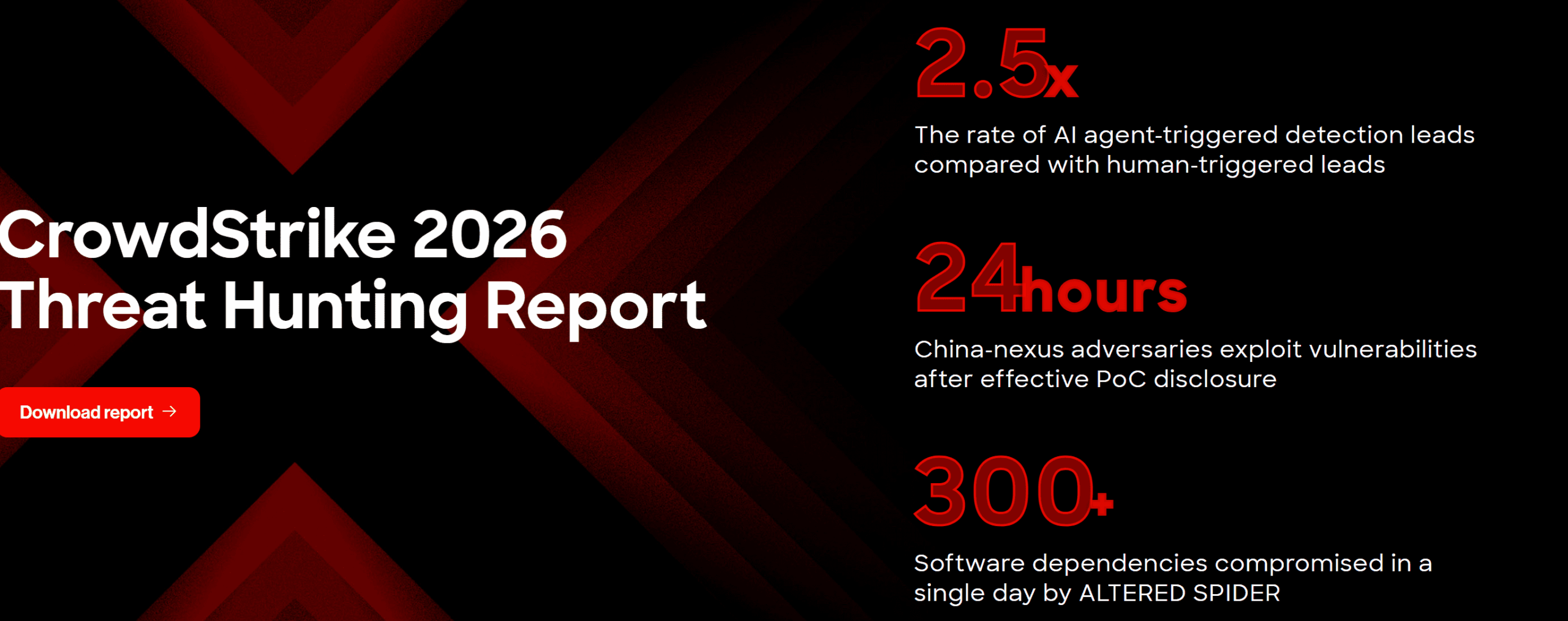
An attacker dispatched nearly 200,000 requests to a language model in just two minutes. Specifically, they leveraged a stolen access key to execute this massive flood. Consequently, such strikes rapidly transform corporate AI services into a source of exorbitant expenses. Simultaneously, artificial intelligence assists criminals in discovering vulnerabilities and accelerating network breaches. Indeed, malicious activity employing AI escalated by 89% in 2025. This alarming statistic originates from the latest annual CrowdStrike Threat Hunting Report.
Criminal syndicates utilize neural networks across various attack phases. For instance, they prepare infrastructure, hunt for weaknesses, and penetrate cloud environments. Furthermore, attackers actively steal keys to premium AI platforms. Next, they overload compromised accounts with excessive queries. Additionally, they infect software packages that developer tools heavily rely upon.
Security experts call one prevalent scheme LLMjacking. First, malicious actors steal corporate credentials. Next, they connect to premium language model APIs at the account owner’s expense. Alternatively, another dangerous scenario revolves around intentionally inflating the victim’s financial costs. Criminals generate a massive flood of requests. Thus, they quickly exhaust available quotas and leave the company with a massive computing bill.
The Rise of Automated Agents
Undoubtedly, automation has significantly amplified the volume of suspicious network activity. Currently, CrowdStrike threat hunters investigate signals triggered by autonomous AI agents two and a half times more frequently than human-driven events. Interestingly, this sharp increase affects both financially motivated syndicates and state-sponsored hacking groups alike.
CrowdStrike actively monitors over 290 distinct threat groups. Notably, the North Korean syndicate known as Famous Chollima demonstrated the most advanced AI applications recently. Essentially, they maintain close ties with the notorious Lazarus Group. During late 2025 and early 2026, these operators created fictitious companies using artificial intelligence. Specifically, they generated convincing websites, GitHub accounts, and email infrastructure. Ultimately, these fabricated platforms helped them infiltrate organizations with fake IT specialists to conduct insider attacks.
Targeting the Software Supply Chain
Cybercriminals dedicate special attention to software supply chains. According to the report, infecting AI system components became the second most common initial access method. Indeed, this metric aligns perfectly with the techniques described in the MITRE ATLAS framework.
During January and February, Famous Chollima hosted infected repositories on GitHub. Specifically, they targeted employees of cryptocurrency and blockchain enterprises. These projects contained highly plausible development files. However, malicious scripts lurked stealthily alongside the legitimate code. Upon opening the repository, the scripts executed dangerous commands. Consequently, they granted the attackers direct access to the developer’s workstation.
Meanwhile, another North Korean collective, known as Sapphire Sleet, likely orchestrated the Stardust Chollima incident involving the Axios package in March. Researchers also documented a massive campaign by the financially motivated Altered Spider group. Remarkably, this syndicate compromised over 300 software dependencies in a single day.
The Shrinking Patch Window
These malicious components relentlessly harvested keys, passwords, and other digital secrets. Subsequently, the criminals breached cloud infrastructures to steal data and extort victims. In fact, the transition from infecting a developer’s computer to achieving cloud access took merely a few minutes.
Furthermore, artificial intelligence drastically reduces the time between a vulnerability disclosure and real-world exploitation. From January to June, 88% of exploitation incidents involving public proof-of-concept code occurred within 48 hours. Moreover, certain China-nexus groups launched attacks in under 24 hours following a publication.
A Race Against Time
Therefore, the traditional monthly timeline for installing security updates no longer suffices. Modern organizations must evaluate and deploy critical patches within one or two days. However, the rapidly expanding number of vulnerabilities severely complicates this crucial task for security professionals.
CrowdStrike estimates that analysts recorded approximately 48,200 CVE entries throughout 2025. By late July 2026, the volume of new entries approached 43,000. Astonishingly, administrators added over 7,600 vulnerabilities to the system in June alone.
This dramatic growth does not stem solely from criminal activities. Instead, AI-powered tools assist security researchers in finding code errors much faster. Therefore, software developers release significantly more patches. In response, attackers accelerate their patch analysis and exploit creation processes. As a result, security teams no longer possess a month to react. They now have a mere 24 to 48 hours to remediate critical vulnerabilities before mass exploitation begins.
Support Our Threat Intelligence
If you find our technology report and cybersecurity news helpful, consider supporting our work.
 Buy Me a Coffee
PayPal
Buy Me a Coffee
PayPal


