Beyond the Desktop: Microsoft Unveils Project Solara Agentic Architecture
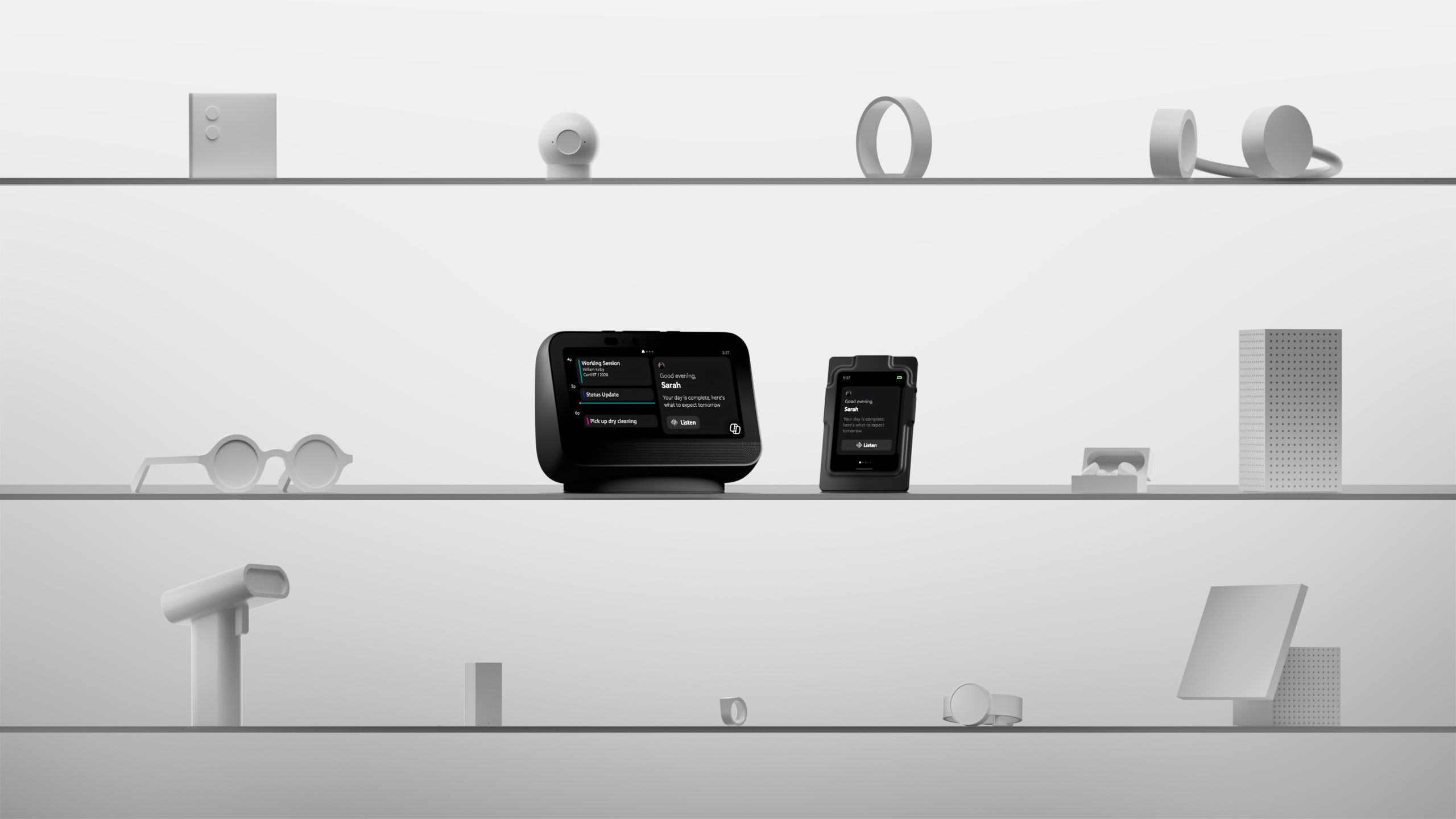
Personal computing is steadily departing from the traditional desktop paradigm. Historically, users manually launch applications and toggle between disparate windows. Instead, Microsoft recently unveiled Project Solara. This innovative platform prioritizes autonomous software agents over conventional applications.
Orchestrating the Workplace Revolution
Microsoft introduced the framework at its Build conference in San Francisco. Specifically, Solara targets a novel generation of specialized enterprise hardware. These tools will serve offices, retail hubs, medical clinics, and industrial environments. However, Microsoft avoids manufacturing this hardware independently. The corporation offers reference blueprints and foundational software to ecosystem partners. Consequently, hardware vendors can cultivate proprietary solutions efficiently.
Fundamentally, Solara positions autonomous agents as primary computing interfaces. The user simply dictates a desired objective. Subsequently, the digital agent accesses target databases and selects appropriate tools. Moreover, the framework seamlessly orchestrates tasks across multiple collaborative agents.
Adapting to Modern Software Architectures
Microsoft links this hardware evolution to shifting software development methodologies. Previously, unique computing tiers demanded bespoke software environments and custom control interfaces. Fortunately, artificial intelligence significantly mitigates these steep deployment costs. The device interface effortlessly adapts to highly specific operational scenarios.
Analyzing the Hardware Prototypes
The Desktop Companion Axis
Currently, Microsoft showcases two distinct physical prototypes. The first manifestation operates as an elegant desktop companion peripheral. This device remains adjacent to the primary workstation. Furthermore, it interprets vocal commands and authenticates users via facial recognition geometry.
The companion smoothly displays critical updates and provides seamless access to Microsoft 365 Copilot. Additionally, it operates independently from the main computing host. Connecting a display via USB-C transforms the hardware into a lightweight Windows 365 client.
The Enterprise Credential Form Factor
In contrast, the second prototype adopts the form factor of a corporate identification badge. This compact node integrates an active display, biometric scanners, camera optics, and wireless radios. Operators deploy the badge to access specific agent clusters rapidly.
For example, the device records and transcribes verbal interactions safely. During medical demonstrations, the smart badge parsed patient QR codes effortlessly. Subsequently, it recorded clinical data and automated prescription workflows.
According to Microsoft representative Stevie Bathiche, these tools excel where smartphones introduce unnecessary friction. Specifically, mobile handsets often appear unprofessional or introduce severe data liabilities within hospital wards. Specialized hardware strictly bounds operational permissions. Therefore, IT divisions can configure these assets centrally within the enterprise directory.
Under the Hood: Android-Powered Enterprise Subsystems
Operational Control Systems
Interestingly, Solara completely bypasses the traditional Windows architecture. The platform runs a hardened corporate iteration of Android. This OS is designated as the Microsoft Device Ecosystem Platform. Microsoft selected this lightweight foundation to optimize low-power, compact environments.
Crucially, the platform supports remote software distribution and remote attestation. It naturally integrates Microsoft Defender, Intune orchestration, and Entra ID authentication. To safeguard privacy, the architecture utilizes physical kill-switches and recording indicators.
This framework diverges sharply from consumer smart speakers. Indeed, Solara isolates its operations within secure corporate environments. The devices communicate with proprietary organizational agents rather than generic consumer utilities. During operational trials, the desktop module established a secure Bluetooth link with the primary computer. This architecture synchronized user sessions and transferred active workloads seamlessly.
Specialized Agent Ecosystems and Market Trajectory
The underlying matrix sustains diverse, specialized agent workflows. Some modules manage documentation and meeting schedules. Meanwhile, alternative variants execute programming tasks, data analytics, or customer service operations. Microsoft also engineered a dynamic interface layer. This interface automatically scales to accommodate voice inputs, tactile touches, or variable screens.
Early Infrastructure Testing
Project Solara currently resides within its initial experimental life cycle. Bathiche admitted that the final commercial monetization strategy remains fluid. Nevertheless, the infrastructure relies deeply on the Azure cloud ecosystem. Enterprises can seamlessly attach proprietary agents using Copilot Studio and the Microsoft Agent Framework.
Early reference hardware testing will commence shortly. Specifically, AccuWeather, Best Buy, CVS Health, Levi’s, and Target are leading these trials. Furthermore, Qualcomm and MediaTek supply the underlying silicon. The credential badge utilizes a Qualcomm wearable processor. Conversely, the desktop unit leverages a MediaTek internet-of-things chipset.
Ultimately, Solara represents an audacious venture into objective-oriented computing. The platform constructs hardware around specific enterprise tasks rather than generalized application bundles. While the initiative remains experimental, Microsoft envisions this architecture as a viable successor to the personal computer. Highly specialized devices will reside closer to human workflows, eliminating traditional software clutter completely.
Support Our Threat Intelligence
If you find our technology report and cybersecurity news helpful, consider supporting our work.
 Buy Me a Coffee
PayPal
Buy Me a Coffee
PayPal


