12TB Steam Archive Surfaces Online
An enormous fragment of early Steam history suddenly became accessible for public scrutiny over a decade later. A colossal archive, spanning roughly 12 to 13 terabytes, is currently circulating rapidly across the internet. This massive collection harbors early game builds, intricate models, unfinished maps, and diverse files originally uploaded to Steam between 2003 and 2013. The initial discoveries proved remarkable. Enthusiasts quickly unearthed early iterations of Portal 2, Left 4 Dead, and Counter-Strike: Global Offensive. Furthermore, they found rare materials from the canceled F-Stop project and intriguing resources directly related to the mythical Half-Life 2: Episode 3.
The Origins of the Data Trove
Based on current information, this massive publication did not result from a recent, sophisticated attack against Valve’s modern infrastructure. Community members who diligently investigated the file origins reached a surprising conclusion. They assert someone likely acquired this historical data directly through a publicly accessible Steam2 infrastructure address. Crucially, this legacy access method allegedly required absolutely no passwords and bypassed all modern security mechanisms.
Currently, the precise timeline of the extraction remains uncertain. Investigators cannot definitively determine whether a single individual downloaded the entire array recently. Alternatively, researchers might have gradually compiled the archive using files obtained long before Valve completely deactivated the antiquated system.
The SteamPipe Transition Boundary
The definitive 2013 boundary directly correlates with a critical modernization effort within Steam. During that period, Valve decisively transitioned all games from their obsolete content delivery system over to the robust SteamPipe architecture. This fundamental shift completely revolutionized how the platform stored and distributed game files.
Within the legacy architecture, Steam utilized specific depots containing vastly different resource versions and experimental builds. These depots frequently included confidential testing materials that developers never intended for ordinary players to encounter.
Uncovering Lost Masterpieces and Beta Builds
Portal 2 specifically attracted an immense amount of enthusiastic attention. Archive researchers successfully located fascinating 2009 beta materials. These files featured an entirely different user interface, unfamiliar locations, discarded dialogue, and unique scenes. Developers heavily modified or completely excised these elements prior to the final 2011 release. The discoveries even encompass alternative narrative episodes featuring GLaDOS and early, rough drafts of crucial story sequences. These isolated files offer a compelling glimpse into precisely how extensively Valve restructured the entire game throughout its chaotic development cycle.
The Canceled F-Stop Project
The archive also yielded highly anticipated materials originating from F-Stop. This famously canceled project existed entirely within the broader Portal universe. Valve experimentally designed a unique camera mechanic for F-Stop. This innovative mechanic empowered players to photograph specific objects and subsequently utilize those captured images to resolve complex environmental puzzles. Prior to this recent, unauthorized publication, the wider public knew of F-Stop’s development almost exclusively through isolated, controlled demonstrations and nostalgic anecdotes from the original creators.
Early Iterations of Beloved Classics
Researchers also discovered surprisingly early versions of several other iconic Valve titles. An incredibly rudimentary variant of the future CS:GO was built directly upon the aging Counter-Strike: Source foundation. Meanwhile, recovered Left 4 Dead materials beautifully showcase drastically altered maps, unfamiliar interfaces, radically different character models, and discarded dialogue lines. Consequently, this archive holds exceptional, immeasurable value for dedicated game history researchers. It finally empowers them to meticulously compare messy, intermediate developmental builds directly alongside polished, final releases.
The Ghost of Half-Life 2: Episode 3
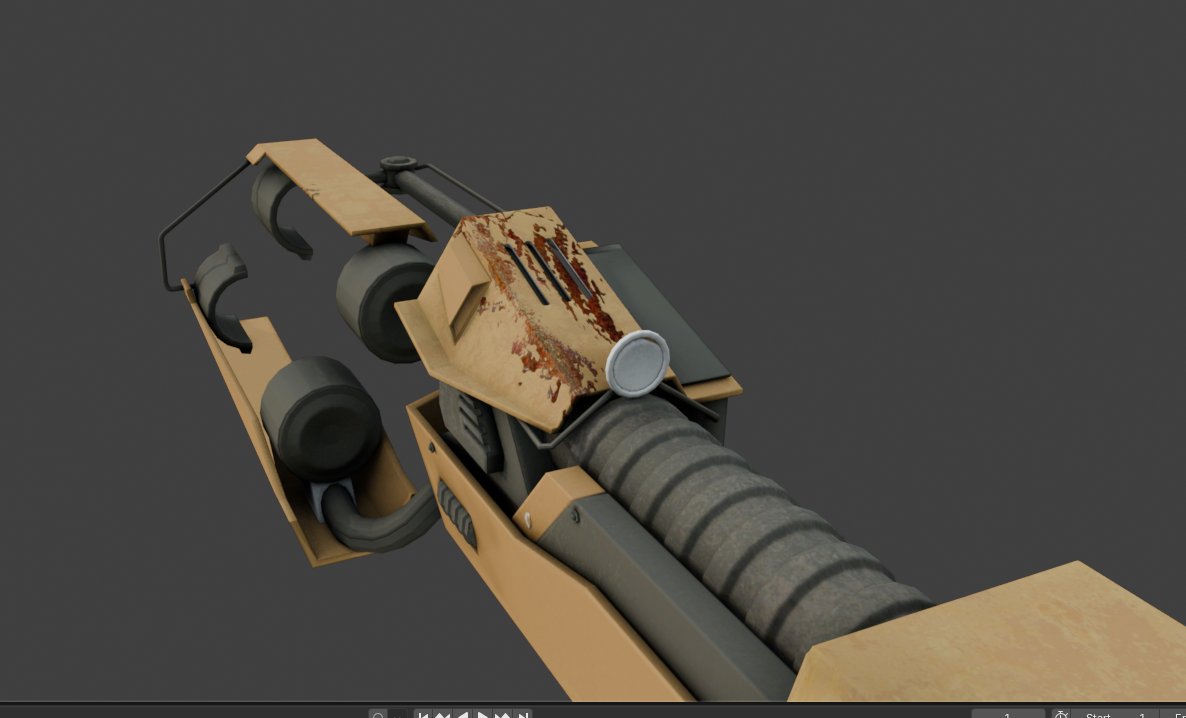
Undoubtedly, the single most intriguing discovery relates directly to the legendary Half-Life 2: Episode 3. Hidden deeply within the files, researchers uncovered a specific model for a device designated the “Weaponizer.” Gaming historians inextricably link this specific device to the perpetually canceled continuation of Half-Life 2.
However, the mere existence of the Weaponizer model does not guarantee anything substantial. It certainly does not imply that a completed, or even minimally playable, version of Episode 3 secretly hides within the massive 12TB trove. At the time of this publication, absolutely no one has successfully demonstrated a complete, functional build of the highly anticipated sequel.
A Decade of Third-Party Development
This massive array encompasses far more than just Valve’s proprietary projects. The legacy Steam infrastructure reliably stored developmental builds belonging to numerous third-party developers. Consequently, researchers have already unearthed incredibly early materials belonging to legendary titles like Call of Duty 4: Modern Warfare, Batman: Arkham Asylum, Dragon Age: Origins, Mirror’s Edge, and Spore.
As dedicated enthusiasts painstakingly dissect the remaining archive, they will undoubtedly uncover numerous additional prototypes, internal test versions, and discarded resources. These discoveries will likely illuminate the development of countless projects released through Steam during the platform’s inaugural, highly influential decade of operation.
Security Implications and Future Discoveries
Fortunately, investigators have found absolutely no evidence indicating the compromise of user passwords or sensitive personal data within Steam. The currently available information seemingly describes only development game depots and their directly associated developmental resources.
This present situation differs drastically and significantly from the infamous 2003 theft of the original Half-Life 2 source code. During that historical incident, malicious actors aggressively penetrated Valve’s secure internal infrastructure and deliberately stole the highly confidential code of an unreleased, highly anticipated game.
The complete, comprehensive inventory of this new archive remains unknown. Thoroughly studying 12 to 13 terabytes of messy data will demand considerable time and effort. Researchers must meticulously separate functional developmental builds from corrupted files, redundant duplications, and materials previously exposed during older leaks. Currently, Valve has neither publicly confirmed the specific origin of the data array nor officially commented regarding the alleged, surprising accessibility of their obsolete Steam2 servers.
Support Our Threat Intelligence
If you find our technology report and cybersecurity news helpful, consider supporting our work.
 Buy Me a Coffee
PayPal
Buy Me a Coffee
PayPal


