Squidbleed Vulnerability Exposes Legacy Proxies
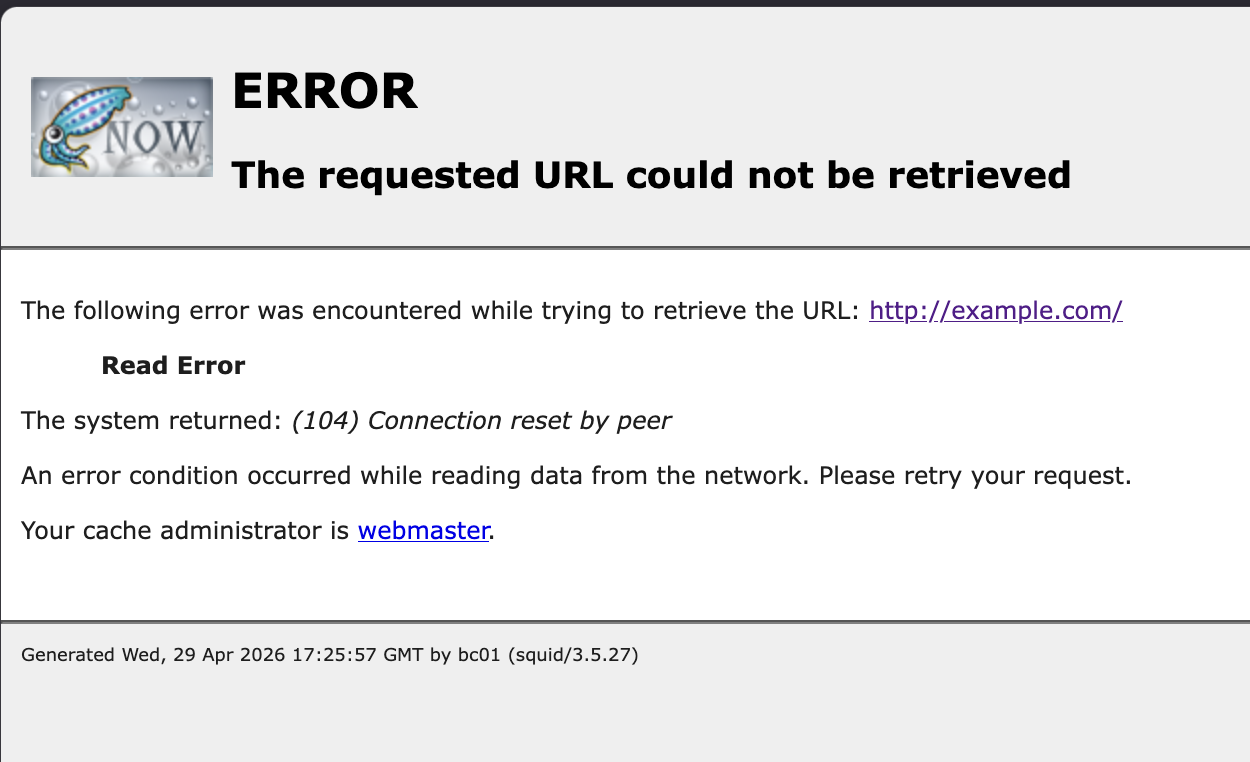
A critical flaw within the File Transfer Protocol (FTP) implementation an antiquated mechanism for transmitting data between computers has resided in the Squid proxy server for nearly 29 years. This severe defect enables unauthorized individuals to extract fragments of process memory. Researchers have designated this pervasive threat as the Squidbleed vulnerability, assigning it the official identifier CVE-2026-47729. Furthermore, this systemic issue afflicts every iteration of Squid released since 1997, explicitly encompassing servers operating under default configurations.
The Mechanics of a Memory Leak
To exploit this architectural weakness, an assailant merely requires a personal FTP server accessible to the targeted proxy via TCP port 21. Inherently, a proxy server functions as an essential intermediary conduit between a user and the broader internet. Consequently, enterprises, academic institutions, and shared networks frequently route their collective traffic through Squid.
When processing a meticulously crafted directory listing, Squid could inadvertently overstep its allocated memory boundaries. The system mistakenly interprets random memory data as a legitimate filename. Subsequently, the server returns this exposed memory fragment directly to the attacker within the seemingly innocuous directory listing page.
Risks to Sensitive Credentials
Crucially, this compromised memory space might harbor the residual requests of other users who recently traversed the same proxy network. This exposure potentially reveals sensitive passwords, highly confidential API keys, and critical authorization credentials. Fortunately, the widespread modern adoption of HTTPS significantly mitigates this catastrophic risk for the vast majority of connections.
Because Squid typically transmits secure traffic in an encrypted state, it remains fundamentally incapable of deciphering the underlying request content. Nevertheless, this alarming leakage remains a severe peril for unencrypted HTTP connections. Additionally, enterprise networks where the proxy actively decrypts secure traffic for meticulous inspection or filtering purposes face immense operational exposure.
Technical Origins and Remediation
Technically, this programmatic error materialized during the parsing of FTP directory strings that lacked a definitive filename. A specific functional loop within the Squid source code failed to halt at the termination of the string, relentlessly continuing to read data far beyond the designated memory buffer. Security researchers recently published comprehensive technical details outlining the mechanics of this sophisticated exploit.
In a rapid response, the development team has successfully rectified this vulnerability across all actively supported software branches. This vital security patch is officially integrated into the latest release. Therefore, system administrators must immediately update their proxy infrastructures. Furthermore, security experts strongly advise disabling FTP functionality entirely if transmitting files via this antiquated protocol is no longer a strict organizational requirement.
Support Our Threat Intelligence
If you find our technology report and cybersecurity news helpful, consider supporting our work.
 Buy Me a Coffee
PayPal
Buy Me a Coffee
PayPal


