SonicWall SMA Zero-Day Exploits: A Severe VPN Security Flaw
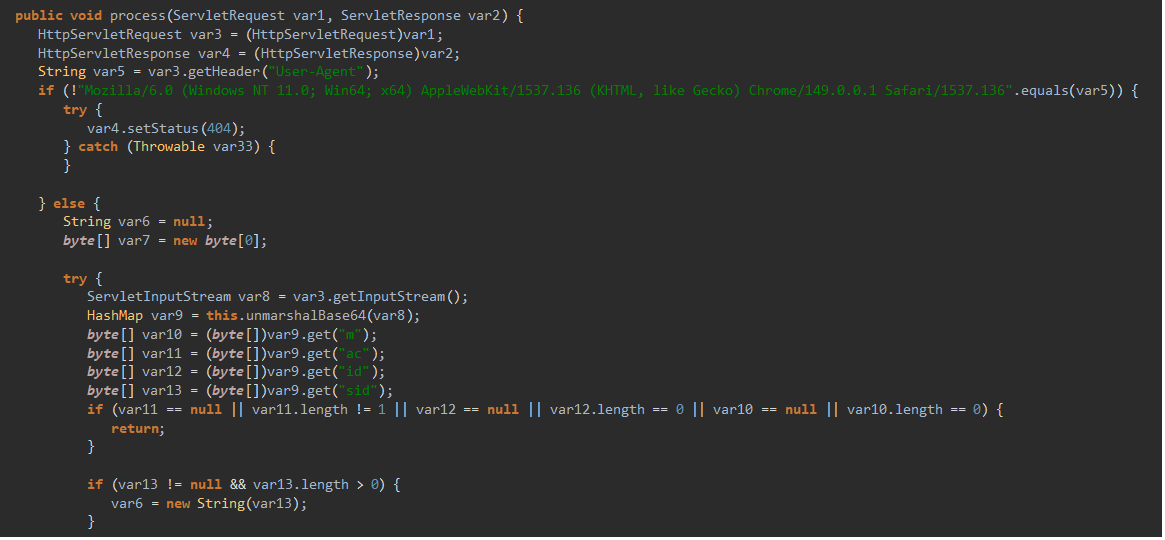
A VPN gateway frequently serves as the primary portal into corporate networks. Consequently, malicious actors relentlessly target these vital security checkpoints. During the summer of 2026, cybercriminals exploited two novel SonicWall Secure Mobile Access vulnerabilities. These zero-day exploits granted attackers absolute dominion over compromised hardware. Security analysts initially detected this intrusion after observing highly suspicious network traversal attempts. Furthermore, forensic evidence traces the earliest digital footprints back to June 22. This sophisticated campaign specifically targeted SonicWall SMA 1000 devices. The affected hardware models include the 6210, 7210, and 8200v series.
The Dual Vulnerability Exploit
The initial breach relied on the devastating CVE-2026-15409 vulnerability. This critical flaw earned a maximum severity score of 10.0. It empowered unauthorized users to forge a clandestine tunnel directly into restricted internal gateway services. Typically, external internet traffic cannot reach these sensitive areas. Through this covert passage, the adversaries successfully breached the local CouchDB database. Subsequently, they accessed the core device management service.
Achieving Root Access
Following this initial penetration, the intruders extracted the unique system identifier. They then weaponized a second flaw, known as CVE-2026-15410. This secondary vulnerability carries a severity rating of 7.2. It allowed them to execute a specially crafted payload with absolute superuser privileges. The underlying error involved forcing the management service to accept an illicit directory path. Consequently, the compromised gateway executed malicious scripts with unfettered root authority. You can study the full technical breakdown in this comprehensive SonicWall zero-day exploitation report.
Malicious Component Deployment
Following the successful system hijacking, a threat cluster tracked as UTA0533 deployed multiple destructive payloads. First, an insidious program named KNUCKLEBALL infiltrated the legitimate SonicWall architecture. This malware seamlessly injected the Suo5 proxy into standard operations. Additionally, it planted the dangerous ORANGETAIL web shell. Afterward, the operatives established deeply concealed routing pathways within the NGINX configuration framework. This clever tactic granted them uninterrupted access to malicious functions. They disguised these dangerous operations behind seemingly ordinary login addresses.
Network Surveillance and Mitigation
On one specific appliance, the attackers aggressively deployed a packet analyzer. They deliberately intercepted unencrypted LDAP traffic to harvest precious user credentials. The adversaries also attempted to pivot from the conquered VPN gateway toward deeper organizational systems. Fortunately, current telemetry indicates their lateral movement remained severely restricted. SonicWall has officially eradicated both vulnerabilities in firmware releases 12.4.3-03453 and 12.5.0-02835. Therefore, SMA 1000 administrators must apply these critical updates immediately. Finally, defenders should scrutinize the /wsproxy access logs and rigorously inspect all temporary system directories for unauthorized root files.
Support Our Threat Intelligence
If you find our technology report and cybersecurity news helpful, consider supporting our work.
 Buy Me a Coffee
PayPal
Buy Me a Coffee
PayPal


