Exposed Setup Panel Linked to Suspected Kimsuky Phishing Infrastructure
TL;DR
Security researchers uncovered an exposed Korean-language web console designed to automate domain and certificate setup for suspected Kimsuky phishing infrastructure. Hosted on port 3000, this suspected Kimsuky phishing panel combines hostname selection, DNS configuration, and SSL issuance into a single interface. Furthermore, a placeholder IP address inside the form matches a server previously tied to a massive 2026 Korean credential-harvesting operation.
What Happened on the Exposed Server
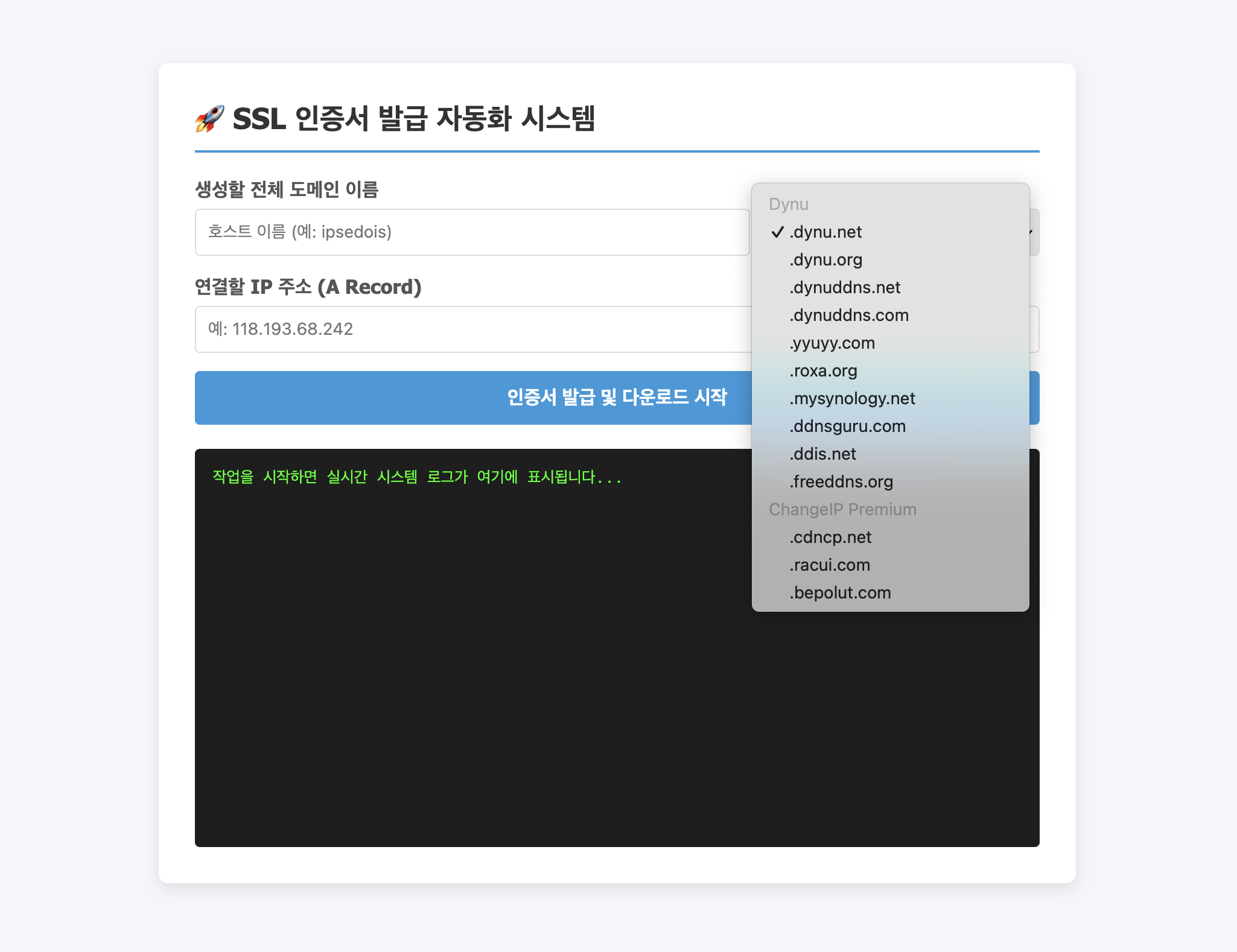
On November 9, 2026, researchers at VULONE discovered a publicly reachable web application hosted at 27.102.137.144 on port 3000. According to the VULONE investigation, the site returned an application titled “ZeroSSL + Dynu automation console” behind an administrator login screen containing hardcoded browser-side check values. Once opened, the main interface displayed a Korean heading translating to “SSL certificate issuance automation system.”
“The panel provides a possible view into the preparation of phishing infrastructure, before a website is placed in front of a target. Its controls describe how an operator could select a web address, point it at a server and request a certificate from a single interface,” VULONE researchers wrote. Specifically, the setup form allows an operator to type a custom hostname, select a domain suffix from a drop-down menu, and enter an “A Record” destination IP address.
Automated DNS and Certificate Workflows
The provider menu divides domain suffixes into two distinct groups. First, the Dynu category offers 10 dynamic DNS extensions: .dynu.net, .dynu.org, .dynuddns.net, .dynuddns.com, .yyuyy.com, .roxa.org, .mysynology.net, .ddnsguru.com, .ddis.net, and .freeddns.org. Second, the ChangeIP Premium group provides three additional options: .cdncp.net, .racui.com, and .bepolut.com.
Beneath the form fields, a button starts the certificate issuance and download process while a console box logs real-time system progress. Code analysis revealed API references to /api/v1/build-ssl and /api/v1/download-cert. However, researchers did not test or verify whether the backend completed live certificate requests.
Who Is Behind the Activity
VULONE links the setup tool to Kimsuky phishing infrastructure with provisional, low-to-moderate confidence based on a concrete indicator overlap. Inside the panel’s “A Record” input box, the developer left a placeholder example IP address: 118.193.68.242.
Cross-referencing this address revealed that 118.193.68.242 appears in an indicator index on Lazarus.day for an earlier report titled “850 Hostnames, 6 Servers, 1 Kill Chain: Mapping Kimsuky’s 2026 Korean Credential Harvesting Machine.” That historical campaign, active between April and June 2026, used YARA rules targeting South Korean National Health Insurance Service (NHIS) phishing pages. “The association with Kimsuky remains provisional. The address overlap is concrete, but it does not establish common ownership,” the report noted, adding that the IP could stem from a reused configuration or copied template.
Impact and How Defenders Can Stay Protected
While investigators did not link this specific suspected Kimsuky phishing panel to any newly compromised victims, the tool shows how operators rapidly rotate web addresses without rebuilding their underlying credential-harvesting sites. By combining DNS and ZeroSSL tasks, an attacker can quickly point fresh subdomains at existing servers whenever defenders block an active phishing link.
Defensive Monitoring Guidance
To defend against Kimsuky phishing infrastructure, security teams should avoid blocking entire dynamic DNS providers like Dynu or ChangeIP, as legitimate customers rely on those services. Instead, defenders should track the specific combination of a newly observed hostname, its destination IP address, and its HTTPS certificate issuance timestamp. Finally, threat hunters should treat 27.102.137.144:3000 as an exposed setup console indicator and 118.193.68.242 as a historical credential-harvesting server rather than interchangeable command nodes.
Support Our Threat Intelligence
If you find our technology report and cybersecurity news helpful, consider supporting our work.
 Buy Me a Coffee
PayPal