Beyond AirPlay: Apple May Finally Allow Google Cast as System-Default in iOS 27
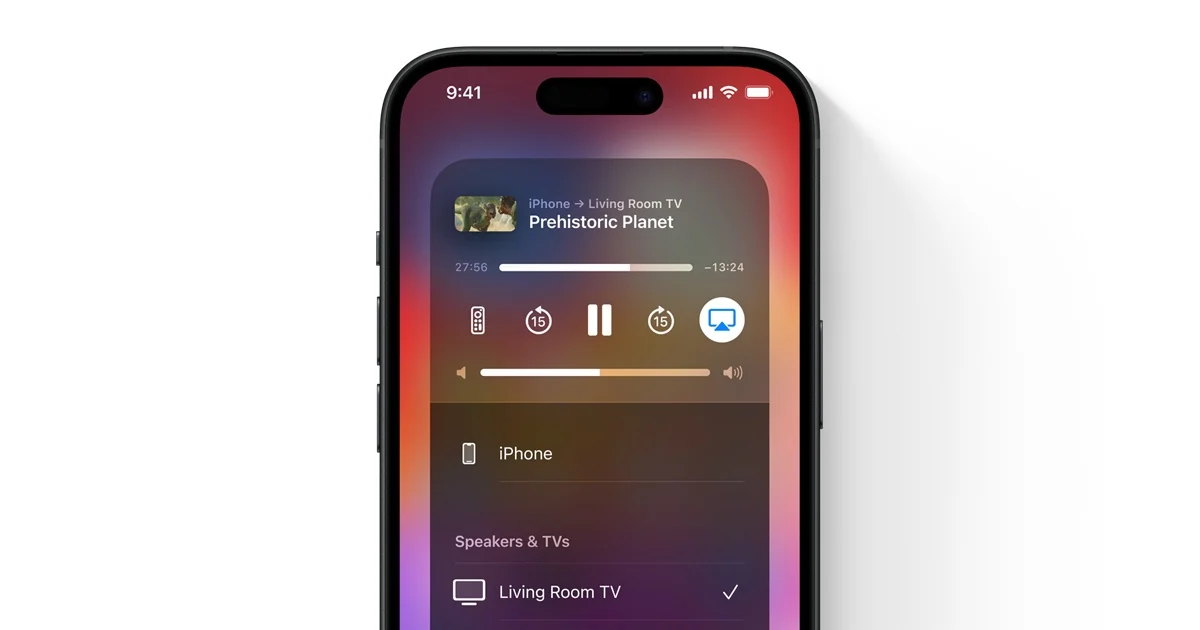
To ensure stringent compliance with the European Union’s Digital Markets Act (DMA), Apple appears poised to enact further concessions within the architectural foundation of the iOS ecosystem. According to the latest dispatch from Bloomberg correspondent Mark Gurman, Apple is engineering a strategic pivot within the forthcoming iOS 27 to empower users to designate third-party streaming protocols—such as Google Cast—as the system-wide default, thereby superseding Apple’s proprietary AirPlay standard.
This evolution signifies that iPhone users will eventually possess native, third-party protocol support when projecting multimedia content—encompassing video, imagery, or high-fidelity audio—to television interfaces and smart-speaker arrays.
Dismantling the Hegemony of AirPlay: System-Level Google Cast Integration
Historically, the multimedia casting functionality across iOS devices has been strictly monopolized by Apple’s proprietary AirPlay, which commanded absolute system-level precedence. Third-party streaming protocols were conventionally relegated to the confined sandbox of individual applications, structurally incapable of achieving seamless, cross-system projection.
However, as revealed in the most recent installment of Mark Gurman’s “Power On” newsletter, Apple is actively constructing an infrastructure to accommodate third-party alternatives to the AirPlay streaming pipeline. This modification implies that external frameworks—most notably the ubiquitous Google Cast—will be eligible for designation as the user’s default resolution for casting visual and auditory media from Apple hardware.
In theory, this liberation permits manufacturers of smart-speakers or streaming peripherals—such as Samsung, LG, and a diverse array of Android TV or Google TV-enabled hardware—to achieve native, system-level integration with the iOS environment, entirely absent the requirement for proprietary AirPlay licensing fees or a reliance on restrictive Bluetooth-pairing heuristics.
The Constraints of the Digital Markets Act: A Potential “Euro-Exclusive” Functionality
While this initiative presents a superficial facade of consumer-centric liberation, the policy shift does not represent a proactive embrace of an open-ecosystem doctrine. Instead, it constitutes a calculated compromise necessitated by the “Interoperability” mandates enshrined within the EU’s Digital Markets Act.
Mirroring previous tectonic shifts—such as the authorization of third-party application marketplaces via sideloading, the relaxation of NFC payment constraints, and the integration of alternative browser engines—this capacity to supersede AirPlay as the default protocol possesses a high probability of being strictly siloed to the European Union (EU) jurisdiction. Consequently, consumers residing outside of the European theater should remain temperate in their expectations regarding the near-term deployment of native Google Cast integration.
Analytical Perspective: Remediation for the Global Traveler and the Fracturing of the iOS Experience
From the vantage point of operational utility, the democratization of system-level Google Cast integration serves as a definitive benefit. Consider the modern traveler: hotel television interfaces and corporate streaming environments are predominantly optimized for the broad compatibility of Google Cast. Should iOS eventually furnish a native, system-wide implementation, users will be liberated from the cumbersome, repetitive pairing cycles necessitated by third-party application gateways, dramatically augmenting the fluidity of cross-platform hardware interactions.
Yet, viewed through the macro lens of industrial ecology, this development underscores the intensifying “experience fragmentation” Apple confronts within the global marketplace. The EU’s Digital Markets Act is systematically compelling Apple to physically uncouple its software ecosystem from its proprietary service verticals, including AirPlay, the App Store, and Apple Pay.
The iPhone of the future, within the European theater, may manifest as a highly transparent, modular device characterized by extensive user-defined defaults; conversely, across the wider global topography, it persists as the strictly curated, monolithic environment managed under Apple’s singular administrative purview. The operational complexity and escalating maintenance burdens associated with this “bifurcated ecosystem” paradigm will remain a formidable challenge that Apple must navigate as it advances toward the release of iOS 27 and beyond.
Support Our Threat Intelligence
If you find our technology report and cybersecurity news helpful, consider supporting our work.
 Buy Me a Coffee
PayPal
Buy Me a Coffee
PayPal


