The WeedHack Contagion: Malicious Minecraft Modifications Deploy Large-Scale Infiltration
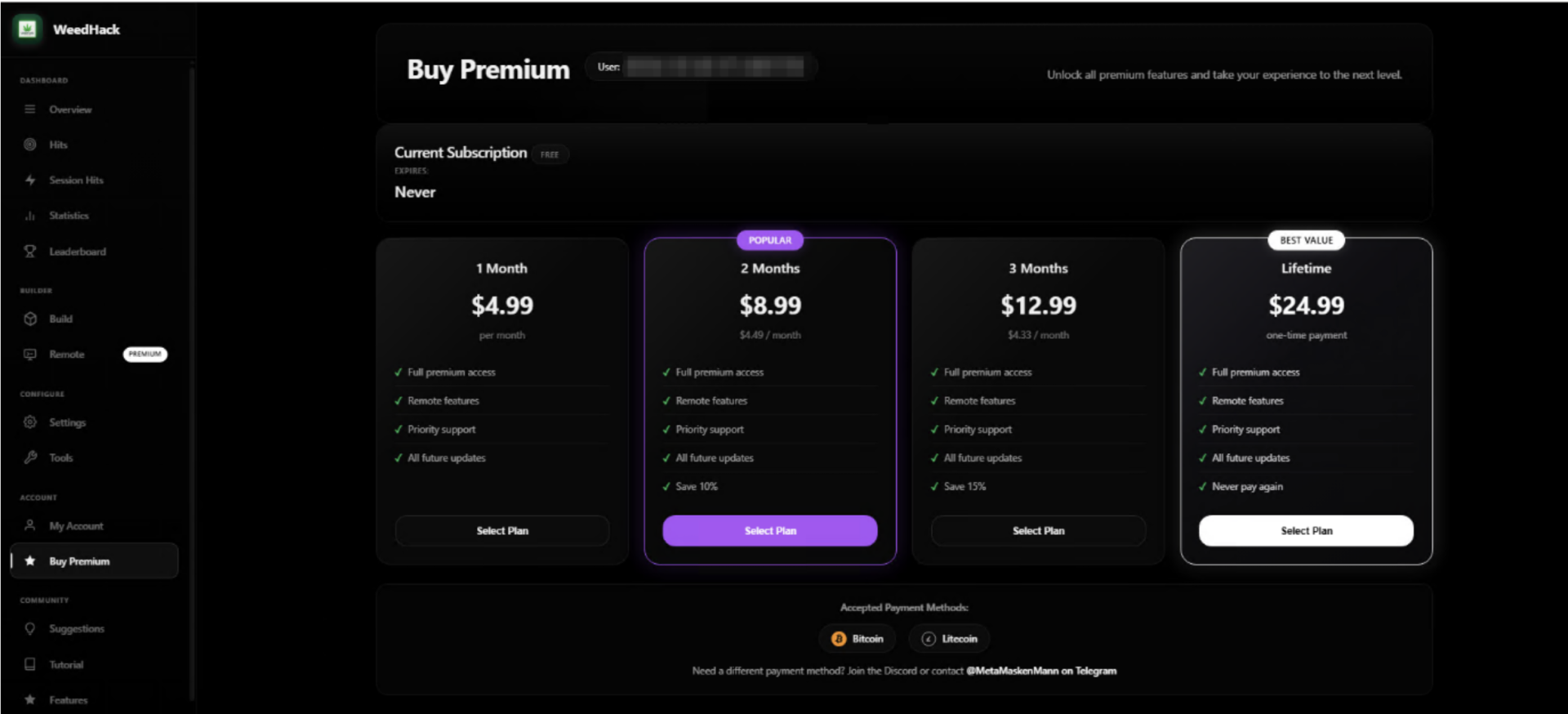
The insidious WeedHack malware campaign has transformed popular Minecraft modifications into vectors for widespread system compromise. Consequently, McAfee Labs investigators have documented over 116,000 compromised devices since January 2026. Furthermore, daily infection metrics currently escalate by two to three thousand novel cases.
The Mechanics of Malware-as-a-Service
Operational Scale and Distribution
Security analysts discovered approximately 3,800 active malicious files alongside 240 distribution nodes. Distinctly, WeedHack operates under a Malware-as-a-Service architecture. The developers provide the rudimentary framework entirely free of charge. However, premium tiers offering advanced remote access capabilities demand a modest monthly fee starting at five dollars.
Demographic Impact and Misuse
Unquestionably, this low financial barrier immediately attracted adolescents and young digital operators. Subsequently, multiple malicious actors repurposed these illicit utilities to orchestrate targeted cyberbullying campaigns against fellow players.
Initial Infiltration Strategies
Initial compromise typically occurs after a user downloads a fraudulent game client or a modified asset. Threat actors disseminate these corrupted links through persuasive YouTube video demonstrations. Additionally, adversaries construct deceptive spoofing websites that mimic authentic modification marketplaces. These fraudulent domains actively manipulate search engine optimization algorithms to secure premium visibility. Furthermore, malicious networks flood communication sections with fabricated testimonials to validate the safety of the payloads.
Execution and Infrastructure Persistence
Data Exfiltration Mechanisms
Upon execution, WeedHack silently establishes a link with its central command node. Immediately, the payload deactivates native Windows Defender protections. The malware then systematically harvests telemetry concerning the underlying host architecture. Consequently, it pillages stored passwords, browser cookies, Discord authentication tokens, and regional Telegram databases. The software also extracts digital asset credentials from localized cryptocurrency wallets.
Decentralized Network Layering
Remarkably, the executable uncovers its server infrastructure by parsing records embedded within the Ethereum blockchain. This decentralized routing strategy severely hampers industry containment efforts. Afterward, WeedHack secures persistent system access by scheduling hidden tasks with elevated administrative privileges.
Premium Exploitation and Cyber Extortion
The premium variant grants the operator absolute sovereignty over the compromised terminal. Specifically, handlers can monitor live displays, capture keystrokes, manipulate mouse inputs, and access localized file directories. Furthermore, attackers can hijack connected webcams and execute arbitrary terminal instructions. McAfee Labs documented multiple instances where syndicate members recorded victims via their cameras. Subsequently, the perpetrators distributed these private materials online to extort the compromised hardware owners.
Remediation and Perimeter Defense
Verifying Source Integrity
To mitigate these severe risks, players must procure modifications exclusively from verified developer platforms. Trusted ecosystems include CurseForge, Modrinth, and validated GitHub repositories. Users should never deactivate anti-malware protections at the request of external web domains or media creators. Additionally, operators must treat all hyperlinks embedded within video comment feeds with profound suspicion.
Current Threat Landscape
Fortunately, authorities dismantled the official WeedHack Telegram channel prior to the publication of the forensic brief. That group previously hosted over 850 active participants. At present, investigators have not identified any successor distribution channels. Nevertheless, the systemic threat persists across the gaming community. Security experts monitor parallel campaigns deploying specialized info-stealers masquerading as innocent digital expansions to plunder user telemetry.
Support Our Threat Intelligence
If you find our technology report and cybersecurity news helpful, consider supporting our work.
 Buy Me a Coffee
PayPal
Buy Me a Coffee
PayPal


