Security by Obsolescence: When Older Tech Defeats Hackers
Occasionally, technological reliability hinges less upon inherent architectural age and more upon the fundamental lack of incentive for exploitation. Cybersecurity luminary Mikko Hyppönen eloquently identifies this fascinating phenomenon as “security by obsolescence.” Antiquated software applications and legacy devices often avoid targeted assaults simply because malicious actors have strategically pivoted toward more pervasive, lucrative targets.
The Eudora Example: Safety in Anonymity
Hyppönen himself notoriously utilized the archaic Eudora email client for many years, long after the software officially ceased receiving critical technical support. Indisputably, the program harbored well-documented, inherent vulnerabilities. However, as the active user base dwindled into obscurity, the keen interest of predatory hackers evaporated concurrently.
According to this seasoned expert, modern cybercriminals find it economically unviable to squander precious resources attacking a niche system utilized by a mere handful of eccentric individuals.
A Serendipitous Honeypot Discovery
Professor Matt Bishop, operating from the University of California, Davis, accidentally verified a remarkably similar effect. During the 1990s, his dedicated research team intentionally connected a deliberately vulnerable honeypot system to the internet to meticulously study penetration attempts. While the system operated utilizing antiquated software versions, it experienced virtually zero hostile incursions.
Fascinatingly, the moment the specialists upgraded the system to a freshly released software iteration, they immediately began recording the anticipated deluge of malicious activity.
Beyond Software: Physical and Navigational Resilience
This enduring principle extends far beyond the digital realm of software applications. The Irish Aviation Authority proactively elected to maintain traditional terrestrial radio beacons for an extended duration. They implemented this strategy specifically to counteract the inherent vulnerability of modern satellite-based GPS navigation to sophisticated jamming techniques.
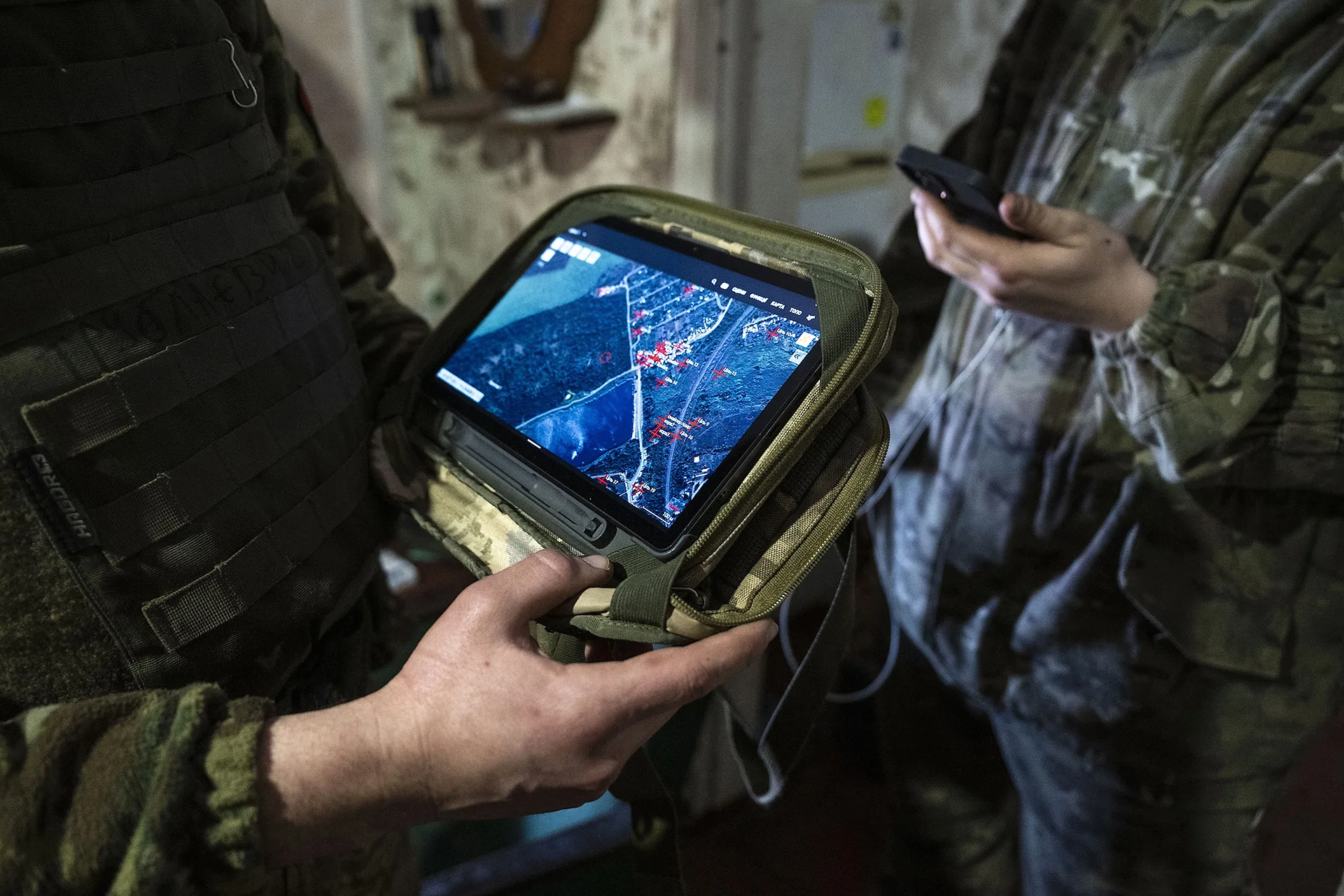
Within the rigorous military sector, personnel deliberately continue utilizing physical paper maps, magnetic compasses, and legacy radio communication systems for the exact same strategic reason. Specialized electronic warfare capabilities struggle significantly to neutralize these seemingly primitive navigational and communication tools.
Magnetic Tape: The Ultimate Air-Gap
Furthermore, antiquated technologies retain immense intrinsic value concerning robust data protection strategies. Traditional magnetic tape allows organizations to physically isolate critical backup archives from their primary computer infrastructure. They can then securely vault these tapes in a geographically disparate location.
Even if a devastating ransomware attack successfully paralyzes an organization’s active operational systems, this physically isolated, offline copy remains entirely immune. Consequently, it remains readily available to facilitate the comprehensive restoration of critical corporate data.
The Caveat: Obsolescence Does Not Guarantee Immunity
However, one must remember that obsolete equipment never achieves automatic, inherent security simply by aging. Antiquated systems undeniably harbor extensively documented vulnerabilities while simultaneously lacking essential modern security updates. Therefore, diligent security professionals still universally endorse maintaining currently supported, fully updated software environments as the optimal choice for everyday operational tasks.
Ultimately, legacy solutions prove most advantageous when deployed strategically as redundant backups or resilient communication channels. They excel specifically in environments where adopting modern, interconnected technologies inadvertently introduces unacceptable new vectors of operational risk.
Support Our Threat Intelligence
If you find our technology report and cybersecurity news helpful, consider supporting our work.
 Buy Me a Coffee
PayPal
Buy Me a Coffee
PayPal


