Kairos Data Extortion: $1M Cyber Crisis
The Impact of Data Extortion
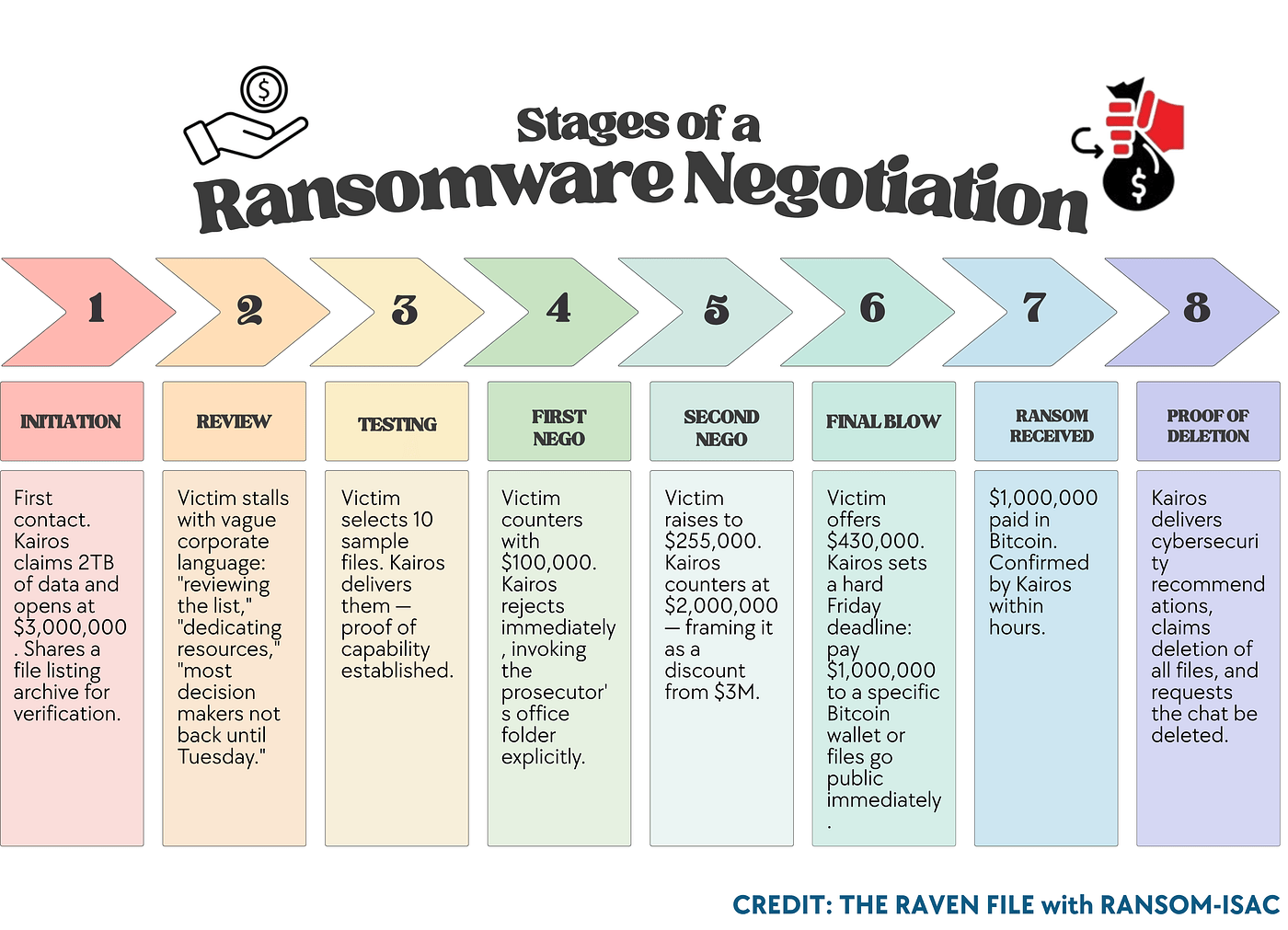
Even without file encryption, data breaches can trigger a multi-million-dollar crisis. The Kairos incident perfectly illustrates the immense pressure caused merely by the threat of data exposure. Specifically, an American government agency paid cybercriminals $1 million. This payment followed the theft of over 2 TB of sensitive information. Interestingly, authorities never officially confirmed Kairos as a full-fledged ransomware syndicate.
This profound security incident occurred on May 19, 2025. Kairos claimed they possessed 1.6 million files. Consequently, they demanded $3 million to prevent the publication of these records. Instead of paralyzing systems with encryption, the attackers utilized a different tactic. They sent a comprehensive list of stolen documents alongside file samples to verify their access. According to the perpetrators, the compromised materials included prosecutorial data, human resources documents, and records concerning US citizens.
Initial Demands and Negotiation
Initially, the victimized organization offered a meager $100,000. Subsequently, they increased their bid to $255,000 and then $430,000. Meanwhile, Kairos gradually reduced their extortion demand to $1 million. They also established a strict deadline and threatened immediate data publication. Ultimately, on June 13, the organization transferred the funds using Bitcoin. Afterward, the attackers claimed they deleted the stolen files. They also revealed they had breached the network through brute-force credential stuffing.
Questionable Deletion Reports
Unfortunately, the provided “deletion report” lacked concrete proof. It offered no method to verify if the perpetrators truly destroyed the files. Furthermore, the report contained no cryptographic evidence or command execution logs. It completely failed to link the file list with actual deletion. A detailed Kairos ransomware data extortion case study confirms investigators found no encryptor or malware samples. This absence casts doubt on Kairos functioning as a traditional ransomware group.
Following the Ransom Trail
Following the ransom payment, the criminals swiftly divided the funds across multiple cryptocurrency wallets. Some transfers eventually reached addresses associated with ByBit, OKX, and BELQI. However, these connections do not unveil the true identities of the threat actors. Later, the infrastructure hosting the Kairos leak site displayed a seizure notice. This message attributed the takedown to the Cyber Department of the Security Service of Ukraine. Currently, no concrete data exists regarding arrests or the total dismantlement of the group.
Crucial Mitigation Strategies
Organizations can significantly mitigate the risk of similar attacks. First, administrators must implement robust multi-factor authentication. Next, security teams should actively monitor for password brute-force attempts and anomalous logins. Tracking large outbound data transfers also provides a crucial early warning system. Finally, institutions must strictly isolate repositories containing human resources, legal, or other highly sensitive information. Developing a clear, predetermined incident response plan for extortion scenarios remains absolutely essential.
Support Our Threat Intelligence
If you find our technology report and cybersecurity news helpful, consider supporting our work.
 Buy Me a Coffee
PayPal
Buy Me a Coffee
PayPal


