The Dashlane Lockout: Security Countermeasures and User Disruption
The Brute-Force Wave and Vault Compromise
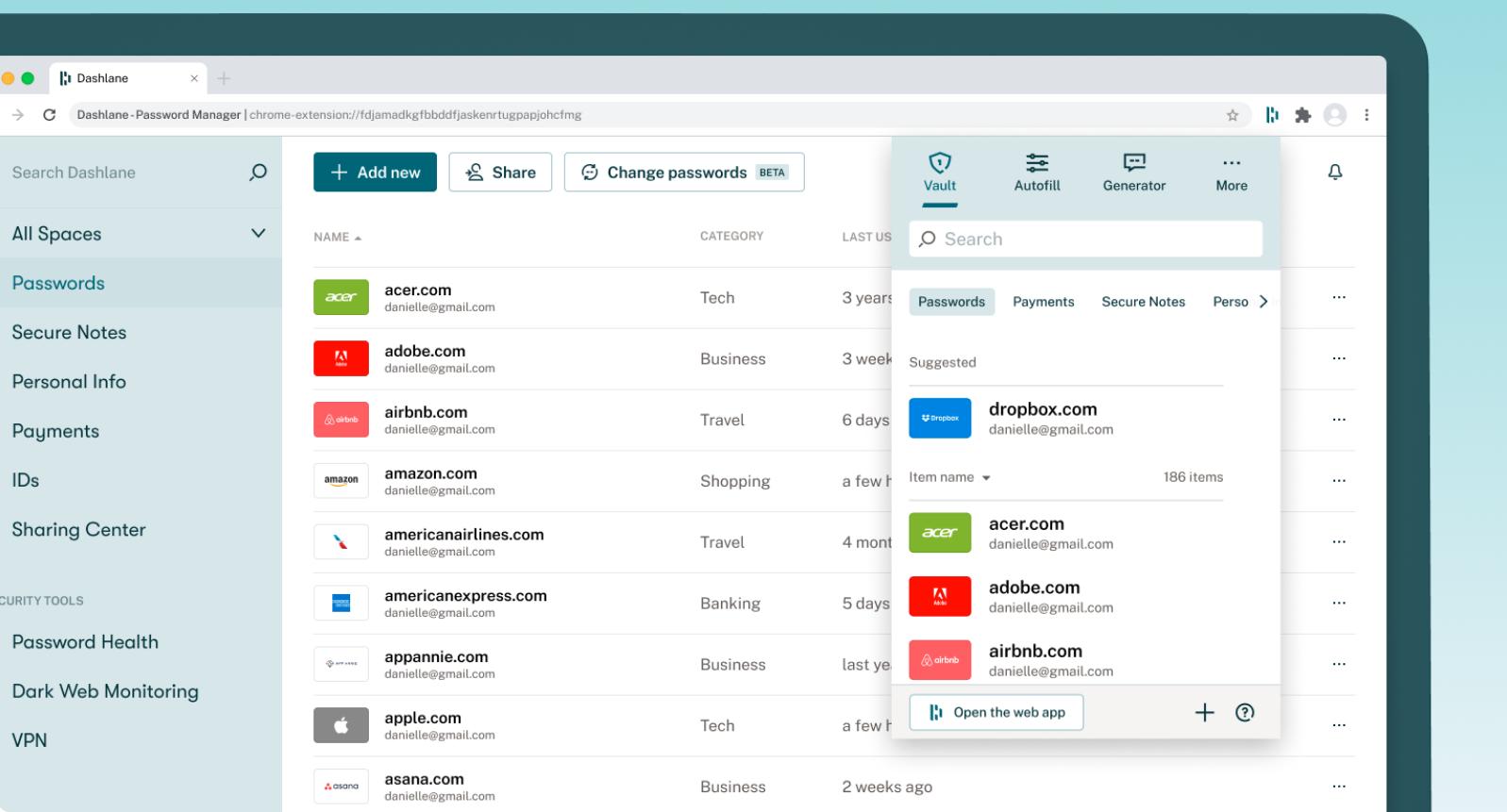
The password manager Dashlane recently dispatched urgent security notifications to numerous subscribers. The electronic correspondence stated that the platform temporarily deactivated their accounts to bolster defensive metrics. Specifically, an adversarial campaign subjected these vaults to persistent brute-force login attempts. Consequently, Dashlane suspended access to shield the underlying repositories. However, this defensive posture introduced a severe operational impediment. Legitimate users now remain entirely unable to retrieve their stored credentials, multi-factor authentication tokens, and cryptographic passkeys.
According to official disclosures, unidentified actors attempted to register existing vaults onto unverified devices. These malicious entities repeatedly failed to provide the correct master passwords or verification codes. Therefore, the security apparatus implemented a temporary account suspension beginning the afternoon of May 31. Affected subscribers must now negotiate with customer support to reclaim infrastructure access.
Analyzing the Attacker Telemetry
Subsequent investigations revealed that the offending IP addresses originated primarily from Russia and South Korea. Naturally, geographical attribution remains functionally irrelevant here. Threat actors routinely leverage expansive global botnets as proxy springboards to mask their origins.
Dashlane eventually published an official brief regarding the assault and reinstated the restricted profiles. Regrettably, the adversaries successfully exfiltrated encrypted vault replicas from approximately twenty profiles. Nevertheless, the primary master passwords still protect these stolen archives.
Critiquing the Account Suspension Strategy
Undeniably, the decision to freeze victimized accounts remains the most controversial aspect of this incident. While observers understand the desire to disrupt brute-force cycles, locking authentic users out prompts significant criticism. Valid subscribers face frustrating error messages even when supplying flawless credentials and real-time verification tokens.
Conversely, the industry possesses far more mature methodologies to neutralize credential stuffing. For example, administrators can implement localized IP-based rate limiting. Restricting an IP address after five consecutive authentication failures provides an elegant shield. Legitimate operators rarely stumble multiple times sequentially. Thus, this framework repels botnets while preserving seamless access for authentic users.
Furthermore, network engineers can restrict cross-account authentication velocity. If a singular IP address targets multiple discrete accounts in rapid succession, the firewall should instantly trigger an IP ban. Implementing these sophisticated countermeasures effortlessly repels distributed brute-force campaigns. Most importantly, these strategies protect enterprise infrastructure without alienating the consumer base.
Support Our Threat Intelligence
If you find our technology report and cybersecurity news helpful, consider supporting our work.
 Buy Me a Coffee
PayPal
Buy Me a Coffee
PayPal


