Perimeter Peril: Bypassing Authentication via Palo Alto Networks GlobalProtect
The GlobalProtect Vulnerability
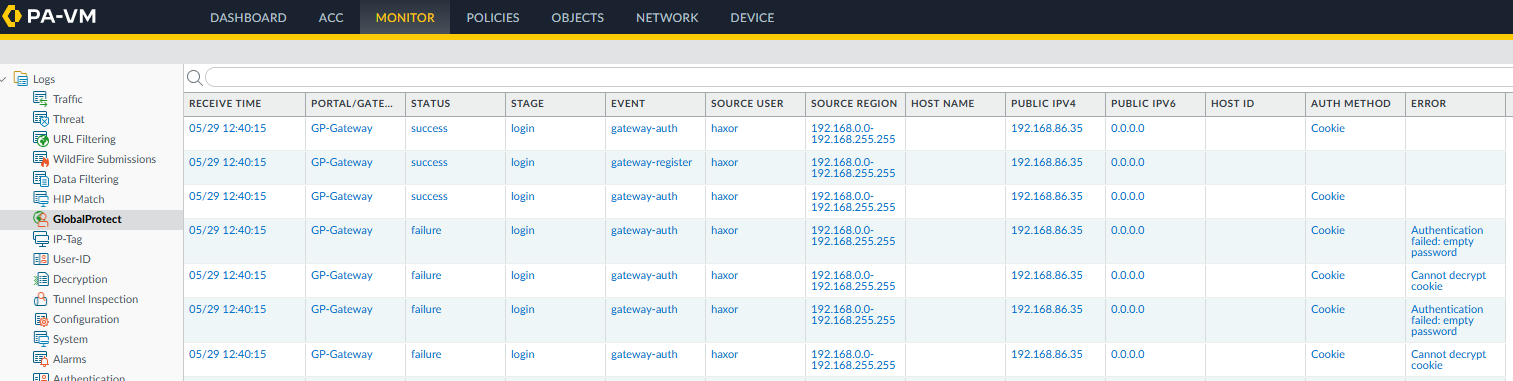
Palo Alto Networks recently issued a stark warning regarding CVE-2026-0257. This security flaw compromises PAN-OS and Prisma Access architectures. Specifically, the vulnerability resides within the GlobalProtect portal and gateway. Under unique configurations, an adversary can bypass standard authentication checks entirely. Consequently, unauthorized actors can establish an illicit VPN connection into the corporate perimeter.
Architectural Severity
The vulnerability currently commands a significant 7.8 CVSS severity rating. Organizations routinely deploy these access portals to manage remote entry into internal networks. Therefore, a successful exploit completely undermines identity verification. As a result, external intruders gain unrestricted network access without presenting valid credentials.
Conditions for Compromise
Fortunately, this security risk does not threaten every PAN-OS deployment. Instead, the hazard emerges only under highly specific environmental parameters. First, the firewall must actively host a GlobalProtect portal or gateway. Second, the system must enable the cookie re-authentication bypass feature. Finally, the architecture must utilize a specific certificate configuration simultaneously. Ultimately, this exact intersection of settings exposes the underlying authentication mechanism.
Active Exploitation Telemetry
Palo Alto Networks published its initial security advisory on May 13, 2026. Subsequently, the enterprise updated the documentation on May 29 following active threat intelligence. The organization confirmed that malicious actors are actively targeting unpatched PAN-OS endpoints. These attacks specifically exploit environments where administrators failed to deploy immediate mitigations.
Rapid7 Investigation Insights
Security researchers at Rapid7 subsequently disclosed detailed forensic observations. The firm successfully identified multiple compromised endpoints across its client portfolio. Historically, the earliest exploitation attempts materialized on May 17, 2026. Furthermore, a secondary wave of attacks commenced on May 21. Rapid7 attributes both offensive sequences to a single, sophisticated threat actor.
Internal Network Penetration
During the secondary offensive wave, investigators documented two distinct network breaches. In these instances, the security appliance assigned a local VPN address immediately after cookie validation. Consequently, the intruder gained immediate access to the internal network. However, analysts observed no subsequent malicious actions within the compromised environments after tunnel establishment.
Strategic Security Implications
The true danger of CVE-2026-0257 does not stem from arbitrary code execution. Instead, the profound threat involves GlobalProtect’s critical location on the network edge. Because these gateways guard the entrance to corporate infrastructure, they represent a high-value target. Therefore, an unauthenticated entry threatens the security of all internal assets.
The Escalation Threat
Accordingly, Rapid7 strongly urges administrators to deploy official patches immediately. This vulnerability poses an exceptional hazard for enterprises relying continuously on remote operations. Even a limited intrusion can swiftly escalate into a catastrophic security incident. This danger intensifies if an adversary establishes persistence or compromises sensitive file repositories.
Prescribed Temporary Mitigations
Palo Alto Networks recommends immediate interim defenses prior to patching. First, administrators can completely deactivate the cookie re-authentication bypass utility. Alternatively, engineers can generate a bespoke certificate dedicated solely to this feature. These tactical maneuvers effectively eliminate the hazardous configuration state while updates remain pending.
Broad Industry Security Trends
This incident aligns with a broader industry trend targeting remote corporate access solutions. Almost simultaneously, Arctic Wolf documented the ongoing exploitation of CVE-2026-35616 within FortiClient Endpoint Management Server. Through that particular vulnerability, threat actors successfully distributed the lethal EKZ Infostealer malware to harvest user credentials.
Concluding Defensive Imperatives
What critical lesson must security teams derive from these events? Perimeter assets require significantly faster patch cycles than standard internal systems. Because edge gateways and access portals process untrusted public traffic first, they remain highly vulnerable. Consequently, even a moderate security flaw can serve as a seamless gateway for enterprise exploitation.
Support Our Threat Intelligence
If you find our technology report and cybersecurity news helpful, consider supporting our work.
 Buy Me a Coffee
PayPal
Buy Me a Coffee
PayPal


