Frictionless Commerce: Apple Expands Near-Field Capabilities with Tap to Share in iOS 27
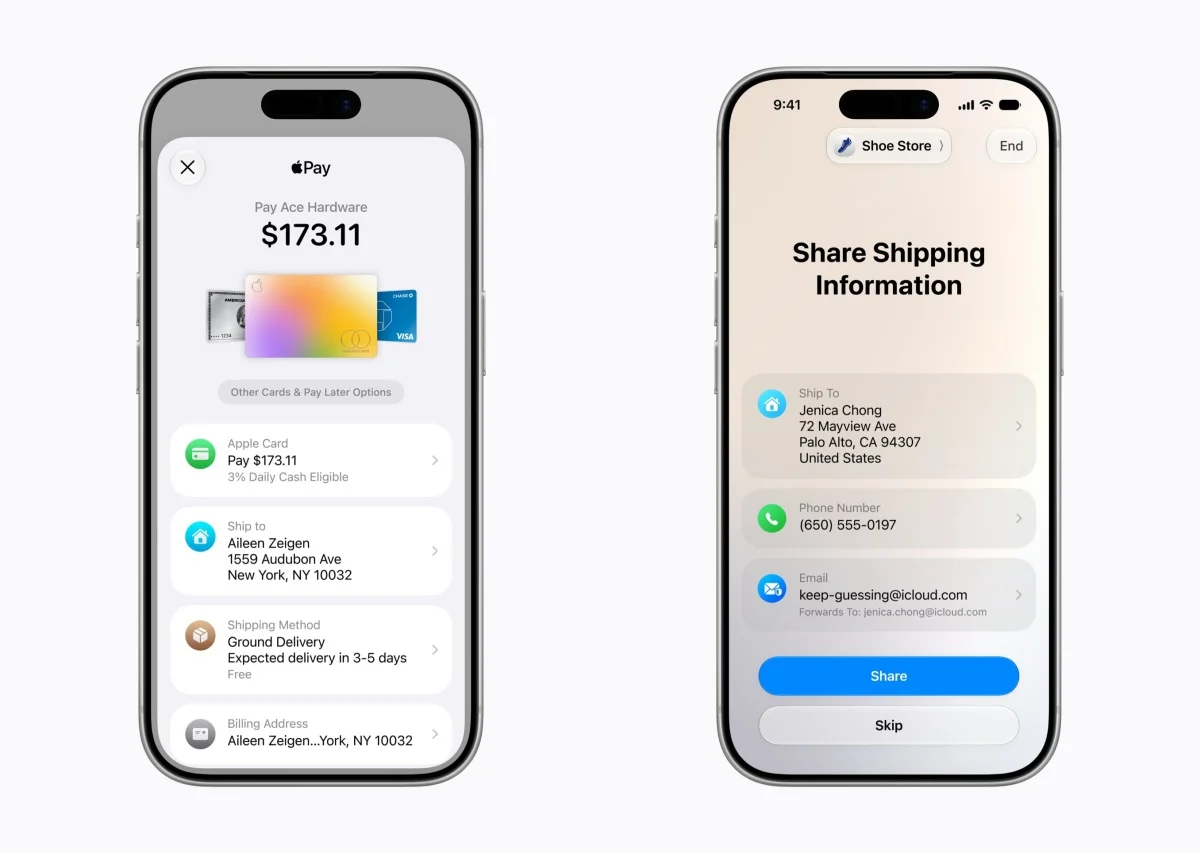
Following the initial system revelations at WWDC 2026, Apple quietly disclosed obscure upgrade details regarding iOS 27. Specifically, the enterprise elegantly extends its foundational Tap to Pay framework. The updated operating system introduces a novel ecosystem feature designated as Tap to Share. Consequently, merchants can now execute complex data interactions using a singular smartphone proximity gesture. This architecture beautifully accommodates micro-vendors and transient markets lacking static physical registers.
Synchronized Transactions: Loyalty Integration and Digital Invoicing
Multi-Tiered Data Exchange
Previously, Tap to Pay bypassed external terminals to process Apple Pay, smartwatches, and contactless cards natively. Furthermore, the emergent Tap to Share paradigm leverages near-field communication to orchestrate deep information transfers. When a customer initiates a transaction against a merchant terminal, the system synchronizes several workflows instantly.
- Instant Loyalty Onboarding: Patrons can submit corporate registration credentials with a single tap.
- Logistics and Invoice Mapping: Users transmit destination addresses or electronic mail matrices to receive automated digital receipts.
- Wallet Voucher Synchronization: The framework automatically updates or exchanges digital coupons stored within Apple Wallet.
- Frictionless Ledger Verification: Consumers audit their virtual shopping carts directly on their personal hardware before finalizing payment.
Hardware Requirements and International Geofencing
Mechanically, this advanced utility mandates an iPhone 12 architecture or subsequent hardware configurations. However, Apple temporarily excludes the European Economic Area from this initial distribution pipeline. This geographic omission impacts all European Union member states alongside Iceland, Liechtenstein, and Norway.
Regulatory Stasis in European Markets
The technology giant declined to provide explicit justifications or concrete deployment timelines for the European market. Presumably, this strategic delay stems from strict regulatory scrutiny under the region’s Digital Markets Act. The European Union continuously enforces stringent antitrust parameters regarding native near-field communication access. Therefore, Apple requires additional operational buffers to negotiate compliance structures with international watchdogs.
Analytical Perspective: The Era of Seamless Retail
Consumers frequenting artisan exhibitions or mobile food kiosks often endure disjointed checkout procedures. Typically, patrons must navigate tedious registration steps prior to completing a purchase. They scan disparate codes, input loyalty credentials online, and manage digital receipts across separate interfaces. Instead, Apple consolidates this fragmented paradigm into a single touch.
Empowering the Micro-Merchant Ecosystem
Essentially, Tap to Share utilizes high-bandwidth protocols to condense checkout steps into one gesture. This capability serves as an authoritative digital transformation tool for local vendors. Consequently, street merchants can cultivate robust customer ecosystems matching massive retail conglomerates. This optimization simultaneously fortifies the market dominance of Apple Pay and Apple Wallet.
Defensive Posturing Under Oversight
Conversely, the delayed deployment in Europe highlights Apple’s defensive posturing against aggressive international oversight. The enterprise exercises immense caution when exposing low-level system integrations within strict jurisdictions. Ultimately, this measured strategy reflects a protective stance amid ongoing regulatory friction.
Support Our Threat Intelligence
If you find our technology report and cybersecurity news helpful, consider supporting our work.
 Buy Me a Coffee
PayPal
Buy Me a Coffee
PayPal


