Windows 11 Anniversary: 5 Years of Hardware and Interface Frustration
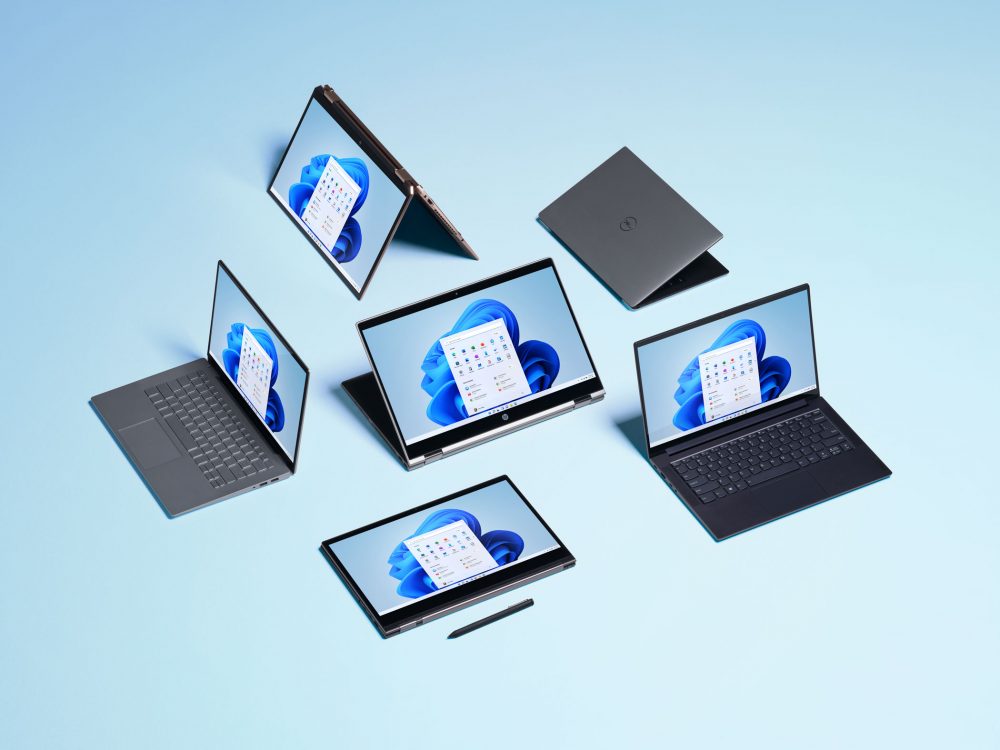
The Windows 11 anniversary has officially arrived, marking five years since its turbulent debut. However, this milestone serves primarily as an occasion to reflect upon why the operating system perpetually irritated its user base from its inception. Microsoft unleashed this novel OS to supplant Windows 10, despite the predecessor functioning with remarkable stability. Windows 10 rarely obstructed habitual workflows and thoroughly satisfied the vast majority of its audience. The tech giant initially introduced Windows 11 on June 24, 2021, commencing its general rollout on October 5 of that same year. During that specific period, consumers were still recovering from the pandemic’s disruptions. Meanwhile, Windows 10 appeared to be an exceptionally successful platform following the highly contentious Windows 8.x era.
The Dilemma of Unnecessary Interface Alterations
The principal grievance, evident from the very beginning, boiled down to a fundamental question: why alter a system that no one considered broken? Windows 10 had successfully avoided repeating the egregious interface blunders of previous iterations. It represented a solid architectural leap forward from Windows 7 and almost never interfered with professional workflows. Conversely, Windows 11 immediately began to infuriate a significant segment of its audience with its fundamental design choices.
Users abruptly lost the ability to freely reposition the taskbar across their screens. Furthermore, they received a radically overhauled Start menu that many found unintuitive. Consequently, users faced the distinct impression that Microsoft had once again arrogantly decided it knew best how individuals should operate their personal computers. Over the past year, the company finally began acknowledging this persistent problem. They have now promised to reinstate several removed interface elements, notably including the much-missed movable taskbar.
Controversial Hardware Requirements Stifle Adoption
Nevertheless, Microsoft obdurately refused to abandon its most agonizing strategic decision. Windows 11 mandated draconian hardware requirements: TPM 2.0 architecture and an Intel processor no older than the eighth generation, or a strictly comparable silicon chip. These severe limitations inexplicably blacklisted countless computers that effortlessly ran Windows 10. Shockingly, this exclusion list encompassed certain proprietary Microsoft devices and various hardware models actively sold when the new OS was announced.
The company fervently defended these stringent requirements, citing essential security enhancements. Yet, the rapid proliferation of simple workaround installation methods rendered this prohibition highly controversial. The decision appeared entirely arbitrary to many observers. Technically, a multitude of unsupported personal computers possessed the capability to operate Windows 11 flawlessly. However, Microsoft’s decree formally transformed them into obsolete relics overnight.
The Slow Climb to Market Dominance
These severe hardware restrictions drastically decelerated the global transition process. Windows 11 only managed to surpass Windows 10 in market share during 2025. A noticeable statistical gap did not materialize until early 2026. This eventual growth likely stems not from a sudden, passionate affection for the new system. Instead, it correlates directly with the natural cycle of hardware fleet renewals and the impending termination of mainstream Windows 10 support on October 14, 2025.
A Familiar Historical Rhythm for Microsoft
A deeply familiar, almost predictable rhythm permeates Microsoft’s historical trajectory. Consumers remember Windows XP with profound warmth, while they universally regard Vista as a catastrophic failure. Windows 7 achieved monumental success, whereas Windows 8.x intensely aggravated its user base. Over time, Windows 10 diligently earned a reputation as a robust, dependable system. Conversely, consumers currently associate Windows 11 predominantly with arbitrarily imposed restrictions, intrusive advertisements, forced artificial intelligence features, and wildly inconsistent design decisions.
As detailed in a recent retrospective discussing how Windows 11 turns five, leaving some important lessons for Microsoft, future software historians will likely view this iteration with skepticism. The system ultimately became the definitive symbol of an era where Microsoft diverted its focus away from the traditional desktop experience. Instead, the company pivoted its primary attention toward trendier artificial intelligence products. The corporation has already begun excising Copilot branding from certain native applications, including Notepad. This quiet retreat serves as a tacit admission that a ubiquitous AI assistant remains inappropriate for every context.
Following five tumultuous years of Windows 11, the prevailing question regarding the next major version resonates with palpable irony. Against a backdrop characterized by a contentious interface, unforgiving hardware demands, pervasive advertising, and aggressively imposed AI functionalities, Windows 12 must ostensibly manifest as the radiant beacon of salvation that users desperately lacked throughout this current generation.
Support Our Threat Intelligence
If you find our technology report and cybersecurity news helpful, consider supporting our work.
 Buy Me a Coffee
PayPal
Buy Me a Coffee
PayPal


