Supply Chain Contamination: Microsoft Suspends GitHub Repositories Over Malicious Code Infiltration
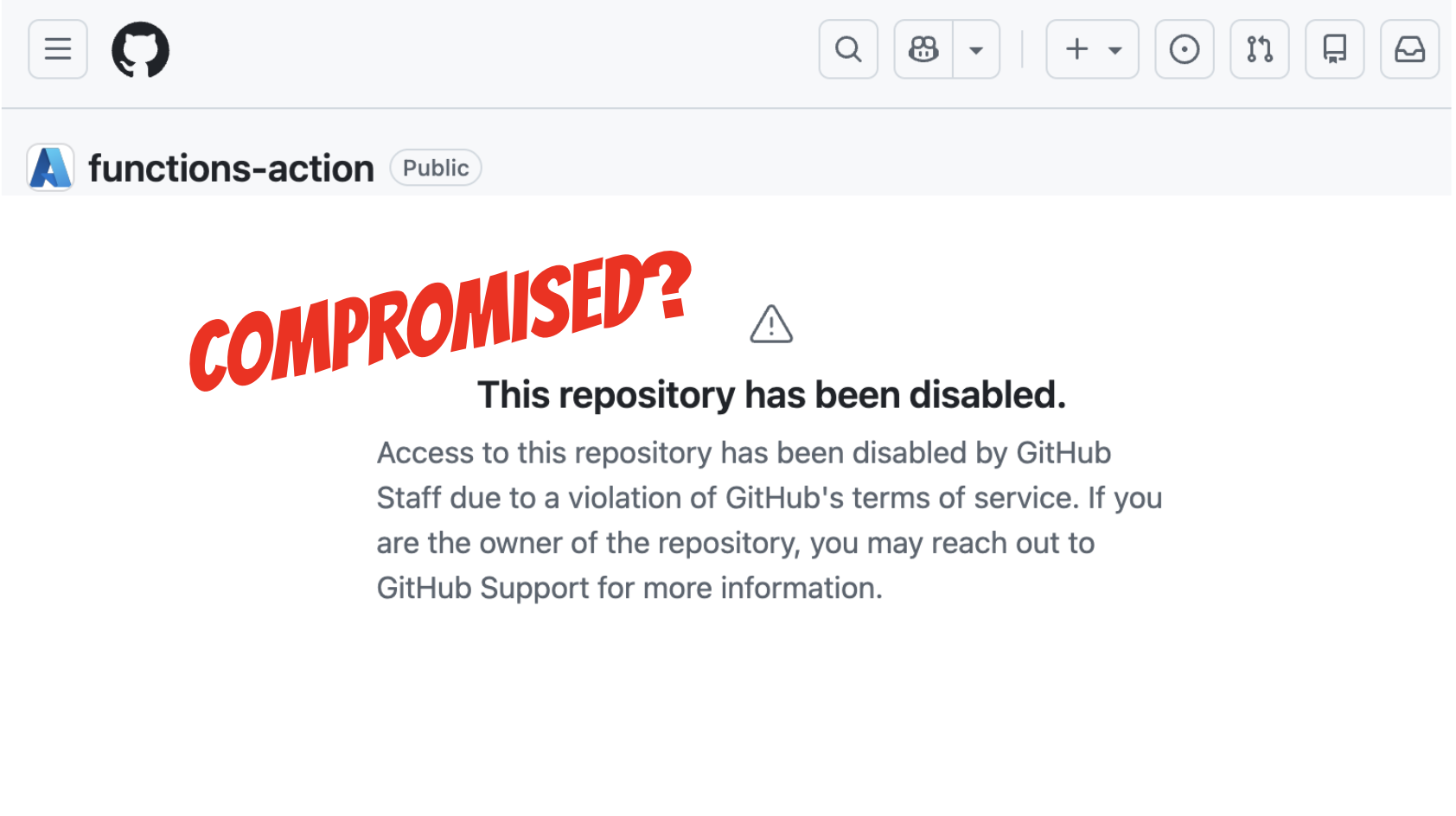
Even monolithic technology enterprises occasionally fail to discern hidden perils within automated code architectures. Consequently, software developers often exhibit implicit trust toward these foundational frameworks. Recently, Microsoft temporarily restricted access to dozens of public open-source repositories on GitHub. This sweeping measure followed the discovery of malicious scripts designed to exfiltrate passwords and administrative credentials.
Compromised Ecosystems and AI Developer Tools
The attack vector heavily compromised code repositories tied to the Microsoft Azure platform and the Durable Task framework. Additionally, the breach impacted specialized utilities designed for artificial intelligence development environments. These targeted environments included Claude Code, the Gemini command-line interface, Cursor, and Visual Studio Code.
According to forensics from Cloudsmith, OpenSourceMalware, and StepSecurity, adversaries cleverly manipulated internal workspace settings. Specifically, they embedded malicious configurations capable of harvesting secrets the moment a developer initialized the infected repository.
Corporate Isolation and Incident Remediation
Microsoft formally acknowledged the temporary removal of the compromised repositories to facilitate a rigorous audit. Corporate spokesperson Ben Hope confirmed that engineers successfully restored several projects following comprehensive telemetry analysis. However, alternative assets remain offline while the forensic review continues.
Furthermore, the technology giant directly notified a select group of clients who potentially ingested the contaminated code. Microsoft preserved absolute silence regarding the exact number of impacted organizations.
Rapid Automated Suspension
Analytical metrics from OpenSourceMalware revealed an incredibly swift defensive reaction on June 5, 2026. Specifically, the GitHub platform deactivated 73 Microsoft repositories across four distinct organizations within just 105 seconds.
This automated purge eliminated the entire Azure Functions ecosystem alongside the Durable Task infrastructure. Moreover, multiple artificial intelligence application templates vanished instantly. Visitors to the restricted pages encountered a standard notice stating that GitHub staff suspended access due to terms of service violations.
Persistent Threats and Recurrent Compromise
The incident generates profound concern due to its structural ties to a previous cyber intrusion. In fact, adversaries targeted the Durable Task ecosystem earlier in May by publishing three tainted software iterations. Consequently, OpenSourceMalware classified this latest event as a secondary compromise of the same environment.
This scenario implies that Microsoft failed to fully eradicate the intruders during the initial remediation phase. Alternatively, the enterprise faces a completely independent breach from a separate threat actor group.
Targeting AI-Driven Workflows
The malicious modifications within Durable Task explicitly targeted developers utilizing AI-driven engineering utilities. Upon execution, the rogue routine effortlessly harvests administrative passwords, access tokens, and cryptographic keys.
Developers routinely leverage these specific secrets to administer cloud infrastructures and secure code repositories. Therefore, exposing these assets compromises the entire internal organizational matrix.
The Architecture of Supply Chain Intrusions
This campaign highlights the severe risks inherent to modern supply chain attacks. Instead of assaulting the ultimate target directly, adversaries compromise trusted code bases and foundational libraries.
This indirect methodology becomes exceptionally dangerous when the infected assets interact with privileged user accounts. As a result, threat actors gain downstream access to corporate production environments and sensitive consumer telemetry.
Operational Disruptions and Mitigation Mandates
The sudden repository deactivations instantly disrupted automated deployment pipelines across the GitHub ecosystem. Naturally, multiple external integration workflows depended heavily on these legacy Microsoft repositories.
Meanwhile, developers expressed intense frustration across public community forums regarding the lack of transparent corporate communication. While Microsoft completes its forensic analysis, affected engineers must audit their local code copies immediately. Ultimately, they must invalidate compromised credentials and rotate all exposed corporate secrets without delay.
Support Our Threat Intelligence
If you find our technology report and cybersecurity news helpful, consider supporting our work.
 Buy Me a Coffee
PayPal
Buy Me a Coffee
PayPal


