The Algorithmic Illusion: Threat Actors Weaponize Generative AI Shared Tunnels for Phishing
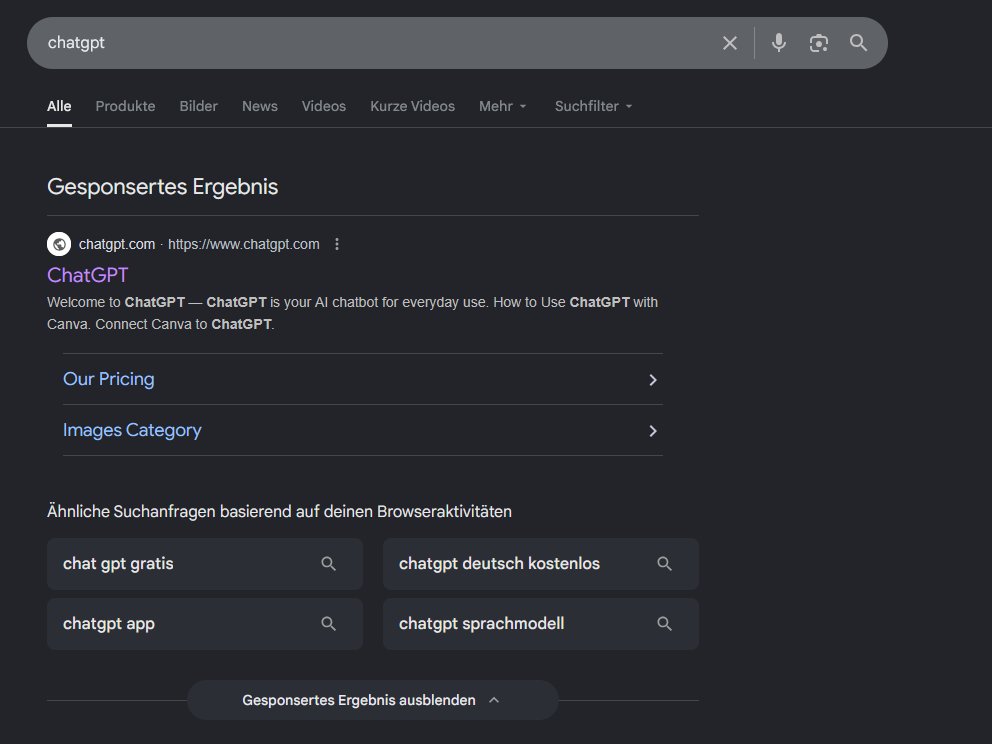
Threat actors are aggressively exploiting premium artificial intelligence ecosystems like ChatGPT and Claude to orchestrate sophisticated phishing campaigns. Specifically, adversaries favor these platforms due to their massive organic search volumes. Furthermore, malicious actors repurpose trusted official domains through integrated plugins and shared content links. Consequently, everyday users fail to detect the underlying fraud within top-tier Google Search advertisements. Therefore, the overall success velocity of these modern incursions has expanded dramatically.
Subverting Plugin Architectures for Deceptive Canvas Incursions
The newly deployed ChatGPT Canvas mechanism empowers users to construct interactive, webpage-like digital spaces. Regrettably, contemporary malicious operations actively manipulate this feature to forge synthetic variants of official OpenAI domains. Within these customized canvases, the adversaries falsely declare that server capacity limits have been breached. Subsequently, the interface commands the practitioner to install a desktop client to sustain application access. This installation trigger redirects the user to a malicious executable payload.
Structural Matrix of the Canvas Attack Vector
This modern exploitation architecture exhibits several highly lethal characteristics:
- Domain Authenticity Retention: Because the hacker publishes content via the native sharing portal, the target URL retains the trusted
chatgpt.comsuffix. - Advisory Verification Spoofing: Furthermore, the threat actor purchases prominent positioning within Google Search. These advertisements display the legitimate
chatgpt.comdomain explicitly. - Security Software Evasion: Ultimately, the active address bar inside the browser maintains the verified domain signature. Consequently, standard anti-malware utilities fail to flag or intercept the landing interface.
Understandably, OpenAI cannot realistically audit every shared content link generated across its massive ecosystem. As a result, these decentralized phishing campaigns will likely multiply across the digital landscape. Accordingly, deploying robust ad-blocking extensions represents the most effective defensive strategy for individual endpoints.
Parallel Anomalies: Shared Content Phishing via the Claude Ecosystem
Similarly, cybersecurity researchers isolated identical adversarial campaigns targeting the Claude architecture within search engine ad networks. This specific exploit closely mirrors the ChatGPT compromise model. Notably, the operators leverage the native conversation sharing utilities embedded within claude.ai. First, the adversary creates a malicious dialogue sequence containing malicious download links. Then, they distribute this poisoned text as a legitimate resource string.
Software Decoy Redirection Framework
The threat actors construct targeted content pages for highly sought-after technical utilities, such as CPU-Z. When an unsuspecting user searches for this hardware monitor, the top search advertisement routes them directly to a claude.ai hosted node. Subsequently, the deceptive text guides the operator to initialize the weaponized software payload.
Predictably, Anthropic lacks the operational capacity to review the massive volume of decentralized user-generated links. Therefore, completely neutralizing this distributed threat vector at the source remains an elusive milestone. Concurrently, this structural limitation reinforces the necessity of suppressing search engine advertisements entirely to preserve local network integrity.
Support Our Threat Intelligence
If you find our technology report and cybersecurity news helpful, consider supporting our work.
 Buy Me a Coffee
PayPal
Buy Me a Coffee
PayPal


