CL-STA-1062 Cyber Espionage Targets Southeast Asia
The Silent Infiltration Strategy
A multi-year intelligence operation rarely reveals itself through a single catastrophic breach. Instead, it emerges through a clandestine sequence of quiet infiltrations. Consequently, Unit 42 researchers linked such a campaign to the CL-STA-1062 collective. This malicious entity actively besieged government apparatuses and critical infrastructure across Southeast Asia during 2025.
Historical Footprint and Primary Targets
According to experts, this group’s malicious footprint extends back to at least March 2022. Analysts confidently associate CL-STA-1062 with the notorious UAT-7237 threat cluster. Previously, authorities observed this specific cluster targeting Taiwanese web hosting architecture. During this renewed offensive, the primary targets encompassed state institutions. Furthermore, they struck formidable energy conglomerates and prominent national enterprises.
Breaching Sovereign Frameworks
In September 2025, these digital adversaries successfully breached a sovereign government framework within the region. Subsequently, they deployed insidious web shells. These stealthy files facilitated remote command execution directly upon the compromised server. Next, the intruders meticulously exfiltrated sensitive information from an MSSQL repository. Within that identical nation, the perpetrators conducted extensive network reconnaissance against a separate state organization. In one particularly brazen instance, they prepared an entire directory of web server source code for covert extraction.
The Energy Sector Under Siege
Between October and December 2025, investigators monitored the probable compromise of at least ten distinct Southeast Asian entities. The collective devoted particular attention to the vital energy sector. In one critical infrastructure network, their sinister activities persisted for several consecutive months. This prolonged operation encompassed the entire attack lifecycle. It spanned from initial penetration to the final data exfiltration. Later, astute investigators discovered the subsequent compromise of two sovereign energy organizations within that same territory.
Deploying the Arsenal: Tools and Evasion
CL-STA-1062 seamlessly blended commercially available exploits with their proprietary malicious software. After successfully breaching vulnerable web applications, the faction routinely executed ASPX web shells. Next, they harvested vital system and network intelligence. They tirelessly sought viable pathways for lateral movement throughout the victim’s underlying infrastructure. Finally, they transmitted their illicit findings back to clandestine command servers. To accomplish tunneling and remote administration, the hackers utilized SoftEther VPN, VNT, and yuze. Deceptively, they masqueraded these malicious files as benign VMware components or legitimate XDR agents.
Introducing the TinyRCT Backdoor
A novel element of this campaign involved TinyRCT. This previously undocumented Windows backdoor utilizes the C# programming language. The malicious program efficiently executes arbitrary commands and surreptitiously browses internal files. Additionally, it captures illicit screenshots and transmits the stolen data back to its command nexus. Furthermore, it possesses the capability to obliterate its own operational footprints. Before execution, TinyRCT meticulously verifies if its executable resides within the %LOCALAPPDATA% directory. Meanwhile, its associated loader simultaneously checks for activation originating from the designated Downloads folder. Ultimately, these sophisticated evasion checks assist the malware in terminating itself prematurely when isolated within a security sandbox.
The Initial Infection Vector
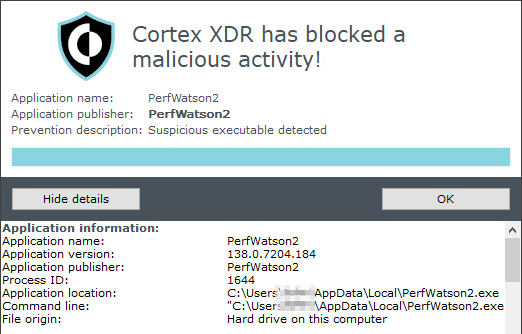
Experts directly link the initial infection vector to a deceptive archive named chrome_setup.zip. Hidden inside, victims unknowingly encountered a legitimate executable file alongside a malicious DLL. Upon launching the installer, the environment inadvertently read an adjacent configuration file. This action immediately loaded the treacherous DLL directly into a highly trusted process. Subsequently, the loader downloaded the TinyRCT payload, deceptively renaming it to PerfWatson2.exe. Finally, it established a scheduled task dubbed GoogleUpdaterTaskSystem. This persistence mechanism ensured the malicious file executed automatically upon every user login.
Mitigation and Defense Strategies
To mitigate these profound risks, experts strongly recommend blocking the execution of all untrusted files. Administrators must achieve this by implementing stringent behavioral rules and robust execution restrictions. Furthermore, organizations should vigilantly monitor any known domains and designated IP addresses associated with this campaign. Finally, security teams must actively hunt for the distinct digital signatures of TinyRCT, SoftEther VPN, and VNT. They should also seek out hidden web shells and suspiciously encrypted RAR data archives.
Support Our Threat Intelligence
If you find our technology report and cybersecurity news helpful, consider supporting our work.
 Buy Me a Coffee
PayPal
Buy Me a Coffee
PayPal


