AirDrop and Quick Share Vulnerabilities Exposed
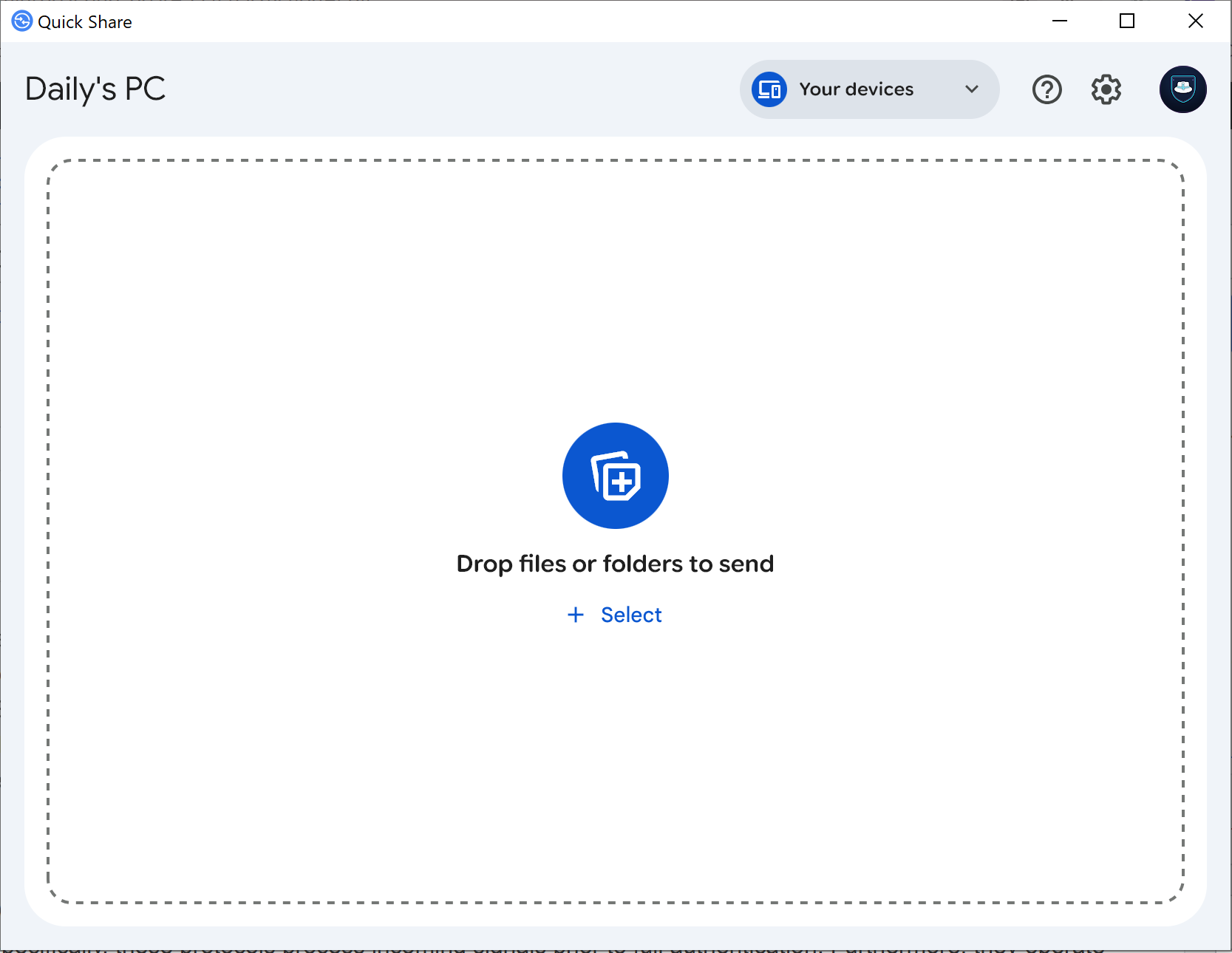
Over five billion devices currently support rapid proximity file sharing. Popular mechanisms include Apple’s AirDrop and Google’s Quick Share. Consequently, these features simplify sharing photos and documents without exchanging contact information. However, researchers from the CISPA Helmholtz Center recently published a comprehensive study revealing a darker reality. Specifically, these protocols process incoming signals prior to full authentication. Furthermore, they operate within highly privileged system components. Ultimately, researchers discovered six critical AirDrop Quick Share vulnerabilities. These flaws can trigger severe system crashes or interfere with active data transfers. In one alarming instance, they even permit remote code execution.
Widespread Impact Across Mobile Ecosystems
This profound security issue impacts almost the entire mobile device market. According to recent findings, AirDrop and Quick Share run on over five billion active devices globally. Apple alone boasts over 2.2 billion active devices utilizing the sharingd service. This specific daemon manages AirDrop alongside other crucial Continuity features. Meanwhile, Google reports exceeding three billion active Android devices. Quick Share functions as the default sharing mechanism on Samsung smartphones. Furthermore, it remains deeply integrated at the system level across the broader Android ecosystem.
Zero-Click Vulnerability Vectors
These sophisticated attacks do not require account access, passwords, or pre-established connections. An attacker simply needs to remain within 10 to 30 meters of their intended target. Therefore, a crowded public space presents an ideal environment, exposing numerous smartphones simultaneously. The discovered AirDrop vulnerabilities demanded a specific prerequisite. The targeted device must actively accept files configured to the “Everyone for 10 Minutes” setting. Nevertheless, researchers emphasize a significantly broader risk. Proximity sharing protocols inherently accept signals before establishing proper authentication. Consequently, they function vulnerably within privileged system layers.
Reverse Engineering AirDrop Logistics
The CISPA team initially reconstructed the intricate AirDrop logic without accessing the source code. They meticulously outlined a complex stack comprising seven distinct layers. These layers include Bluetooth LE discovery, AWDL Wi-Fi networking, IPv6 connections, and TLS encryption. Additionally, the stack utilizes HTTP transport, Apple property lists, and CPIO archives. Following this rigorous analysis, the specialists developed AirFuzz. This custom tool specifically tests the protocol and identifies crashes through manipulated requests. Impressively, the resulting codebase spans approximately 12,300 lines.
Identifying Critical AirDrop Flaws
Researchers successfully identified three distinct denial-of-service vulnerabilities within AirDrop. Malicious actors can exploit two of these flaws without any interaction from the device owner. A third vulnerability triggers after the user accepts a transfer but before authentication concludes. The first error allows a single HTTP POST request to terminate the sharingd process entirely. This vital service controls AirDrop, AirPlay, Handoff, Universal Clipboard, and Continuity Camera.
The second severe error occurs during the processing of deeply nested XML property lists. Consequently, this manipulation directly causes a stack overflow. Researchers believe this specific risk extends far beyond AirDrop itself. The underlying problem affects the core Foundation framework. Therefore, it might manifest in other Apple applications that parse untrusted XML property lists. This vulnerability potentially impacts macOS, iOS, watchOS, tvOS, and visionOS.
The third system failure stems from maliciously malformed HTTP headers. Apple’s internal parser fails to reject these conflicting requests appropriately. As a result, it enters an inconsistent state and attempts to access a nonexistent object. The study officially categorized this error as a denial-of-service vulnerability. This targeted attack reliably crashes the sharingd process. However, it does not currently provide confirmed remote code execution capabilities.
Analyzing Quick Share Vulnerabilities
The team also scrutinized Quick Share using Samsung’s Android implementation on a Galaxy S23 Ultra. They additionally tested the Google Quick Share client designed for Windows environments. Ultimately, they uncovered three significant problems within these implementations. One flaw allows the system to process specific commands before completing authentication. This effectively enables attackers to maintain persistent, unwanted communication sessions. Another vulnerability empowers an attacker positioned on the local network path. They can maliciously inject unencrypted control frames into an active transfer. Consequently, they completely bypass the intended device-to-device encryption layer.
The researchers discovered the third major error specifically within Quick Share for Windows. This use-after-free vulnerability originates from a dangerous race condition between processing threads. According to the experts’ assessment, this critical flaw could facilitate remote code execution. Consequently, the specialists received a substantial financial reward from Google for this discovery.
Vendor Responses and Future Outlook
Apple, Samsung, and Google promptly received detailed vulnerability reports. They officially confirmed the researchers’ alarming findings. Patches addressing the identified AirDrop errors are currently under active development. Furthermore, the industry anticipates a formal CVE designation for the Windows Quick Share vulnerability. The researchers sternly emphasize that this investigation does not conclude the matter.
The team thoroughly examined specific implementations of AirDrop and Quick Share. Afterward, they open-sourced the AirFuzz code, encouraging other security specialists to continue analyzing these protocols. The authors strongly suspect that further investigations will uncover additional errors. Proximity file sharing remains a highly complex and poorly documented component of modern mobile systems. The primary risk does not stem from one specific vulnerability. Instead, it originates from the fundamental architecture of proximity protocols. These mechanisms inherently accept incoming signals prior to authentication while operating within privileged system layers.
Support Our Threat Intelligence
If you find our technology report and cybersecurity news helpful, consider supporting our work.
 Buy Me a Coffee
PayPal
Buy Me a Coffee
PayPal


