Adobe ColdFusion Critical Vulnerabilities Patched
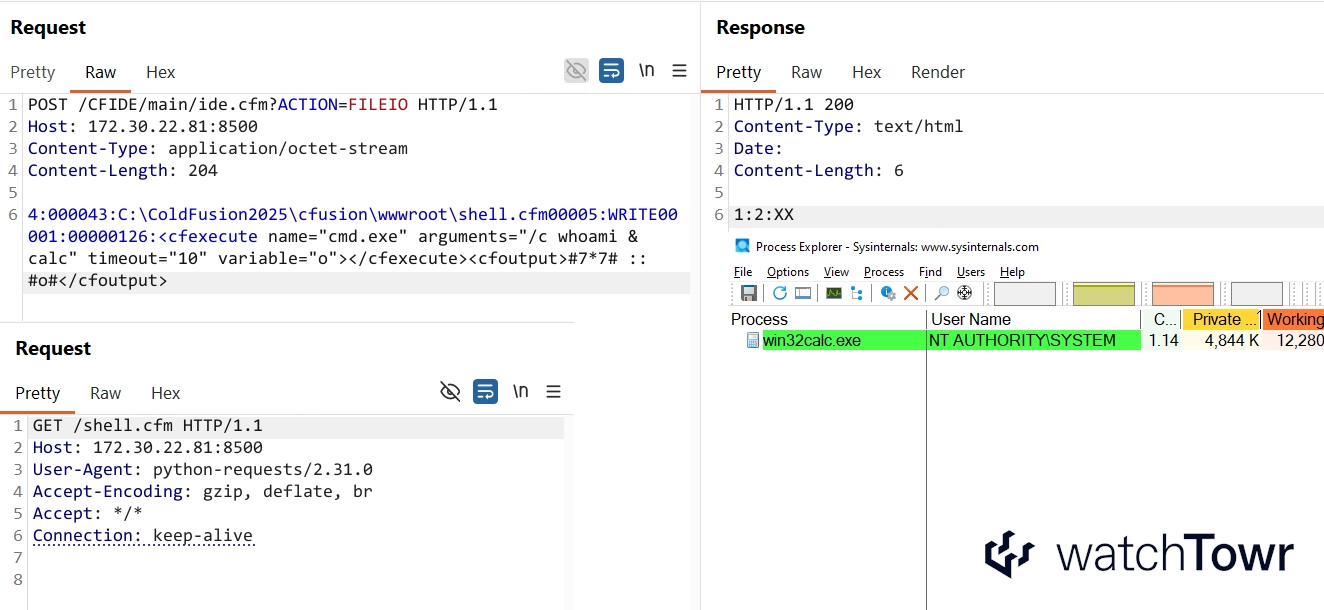
In a recent update, Adobe patched a suite of dangerous vulnerabilities. Several of these flaws allowed attackers to execute code directly on the server. These severe problems affect Adobe ColdFusion 2025 through Update 9. They also impact ColdFusion 2023 through Update 20. Furthermore, the company detailed numerous vulnerabilities in security bulletin APSB26-68.
The list includes CVE-2026-48276 and CVE-2026-48277. It also contains CVE-2026-48281, CVE-2026-48316, CVE-2026-48282, and CVE-2026-48283. All these carry a critical 10.0 score. Additionally, the bulletin mentions CVE-2026-48307, CVE-2026-48313, and CVE-2026-48315. Finally, it lists CVE-2026-48285 and the medium-severity CVE-2026-48314. Consequently, some errors enabled threat actors to execute arbitrary code. Others allowed attackers to read sensitive files. Moreover, certain flaws permitted privilege escalation or bypassed essential security mechanisms.
Analyzing the RDS Module Flaws
Security experts at watchTowr Labs analyzed these critical patches thoroughly. They specifically focused on the RDS module. Developers typically use this specific component for remote development within ColdFusion. Through this interface, the development environment interacts seamlessly with the active server. It allows users to browse files and execute database queries easily. Furthermore, it significantly assists with complex debugging tasks.
Fortunately, Adobe disables this RDS module by default. However, according to watchTowr, the described attack requires an active module. Specifically, it must run without proper authentication protocols. The most dangerous aspect concerns the handling of file operations. Previously, ColdFusion accepted a file path without sufficient validation. It simply passed the data along internally.
The Danger of Arbitrary File Writes
Consequently, a malicious actor could easily access unauthorized server directories. They could read absolutely any arbitrary file. Alternatively, they could write a malicious file to a targeted location. Following the update, Adobe now strictly validates the canonical path. The system actively blocks absolute paths and parent directory traversals. In addition, it stops any attempts to escape the designated allowed area.
The ability to write files elevated this issue drastically. It transformed a simple data leak into a remote code execution vulnerability. If an attacker placed a file into the web directory, disaster followed. The ColdFusion server subsequently executed this newly created file. It ran the malicious script as an integral part of the application. According to watchTowr, the arbitrary file write capability likely corresponds to CVE-2026-48282. Meanwhile, the arbitrary file read flaw aligns with CVE-2026-48313. However, specialists noted that Adobe rarely links specific code fixes to distinct CVE identifiers clearly.
CKEditor File Manager Vulnerabilities
Specialists also discovered a separate cluster of problems within the CKEditor file manager. Adobe bundles this specific component directly into ColdFusion. In the patched version, Adobe officially banned additional file extensions. They also began validating the path rigorously during uploads.
This vulnerable function also remains disabled by default. Yet, if administrators enabled it manually, severe risks emerged. According to watchTowr, the uploader became completely accessible without any authentication. In this specific scenario, an attacker could submit a malicious path. This path would escape the allowed directory boundaries. Ultimately, they could write a dangerous file elsewhere on the server.
Tag Processing and Final Recommendations
Another resolved error allowed unauthorized viewing of directory contents. Attackers exploited this flaw directly through the CKEditor file manager. Furthermore, watchTowr noticed significant signs of altered ColdFusion tag processing. These changes affected file uploads, email handling, and WebSocket connections. They also impacted external resources and data transformation processes. Exploiting these particular problems required specific preexisting conditions. A custom ColdFusion page with vulnerable code had to exist on the server. Additionally, it needed to accept malicious user input.
Adobe has already released the necessary security updates. Therefore, ColdFusion administrators should install these fresh versions immediately. They must also check their configurations carefully. Specifically, they should ensure RDS, file uploads, and the file manager remain disabled if unneeded. When dealing with such powerful components, even rare configurations prove critical. This remains especially true if the server is accessible directly from the internet.
Support Our Threat Intelligence
If you find our technology report and cybersecurity news helpful, consider supporting our work.
 Buy Me a Coffee
PayPal
Buy Me a Coffee
PayPal


