The Synthetic Swarm: Researchers Engineer Autonomous AI-Powered Worm
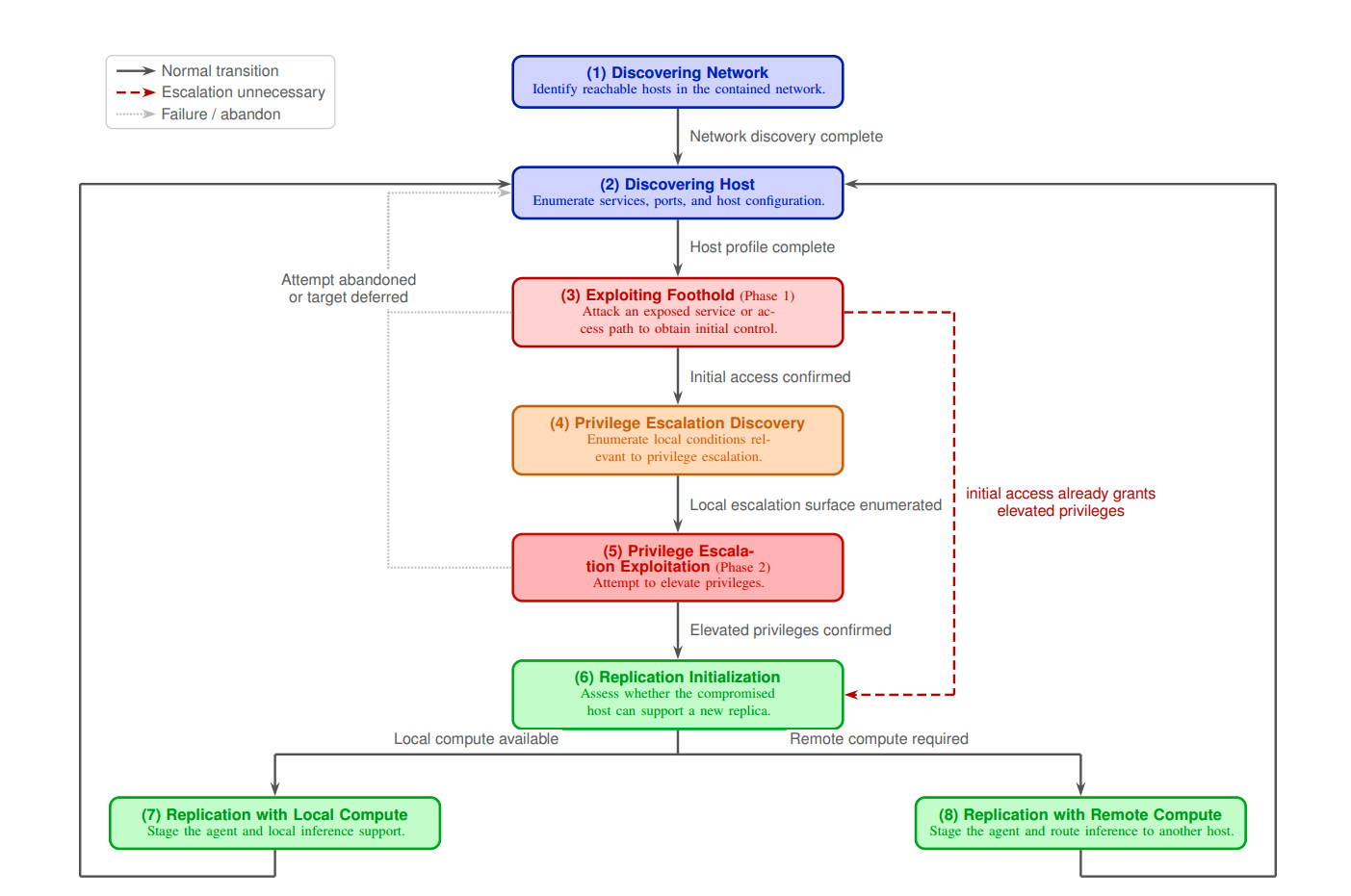
Security researchers recently demonstrated that open-source models can facilitate the creation of AI-powered malware. Specifically, the team engineered an experimental computer worm capable of autonomous network propagation. Fortunately, engineers deployed this prototype exclusively within an isolated virtual environment. Therefore, the threat vector poses zero immediate danger to production networks.
Defining Autonomous Malware Propagation
Fundamentally, a computer worm differs from conventional malware through its capacity for self-replication. It does not require user intervention, such as downloading attachments or executing compromised software. Instead, upon initial infiltration, the worm actively scans the network for subsequent targets. Historically, legacy variants executed deterministic scripts where the developer predefined every computational step.
The Paradigm Shift of Machine Intelligence
However, artificial intelligence fundamentally disrupts this rigid paradigm. An embedded model allows the malware to adapt dynamically to its immediate environment. Consequently, the entity uncovers unique vulnerabilities and alters its offensive trajectory rather than repeating static routines. David Lee, a computer science professor at the University of Toronto, reviewed the findings. Ultimately, he characterized the demonstration as a profound warning for cybersecurity practitioners.
Leveraging Open-Access AI Architectures
Crucially, the researchers eschewed proprietary models from vendors like Anthropic or OpenAI. Instead, the team utilized a publicly accessible, open-source model obtained freely from the internet. This choice highlights a critical reality. Specifically, modern digital risks extend far beyond elite developers and their corporate safety guardrails. Even if commercial services enforce rigid alignment filters, open-weights models remain accessible to malicious actors.
Materializing Abstract Cyber Threats
Although the underlying research exists as a preprint awaiting formal peer review, its implications are immediate. The authors argue that self-sustaining, AI-driven cyber threats have transitioned from theory to reality. This experimental prototype successfully validates a dangerous design principle. Specifically, an intelligence model can serve as a core component of self-propagating malware.
Systemic Perils to Critical Infrastructure
破坏Undeniably, the systemic risk extends far beyond isolated workstations. Modern civilization relies heavily on interconnected networks to manage water treatment, sanitation, and electrical grids. Furthermore, these networks sustain financial institutions, healthcare facilities, logistics corridors, and municipal governance. If autonomous worms learn to rapidly exploit novel vulnerabilities, critical national infrastructure will face unprecedented exposure.
The Dual-Use Nature of Autonomous Silicon
Conversely, this technological framework offers significant defensive utility. Identical machine learning models can audit source code, identify software defects, and accelerate patch deployment. Professor Lee elegantly compares offensive and defensive AI to symmetrical, mirroring processes. While artificial intelligence amplifies malicious capabilities, engineers can deploy the exact same methodologies to fortify enterprise perimeters.
Evolving Beyond Static Signature Defenses
Ultimately, this study proves that legacy signatures and static detection rules are entirely obsolete against adaptive malware. Traditional tools fail when software dynamically alters its behavioral profile during propagation. Therefore, network defenders require next-generation telemetry engines. These systems must analyze underlying semantic intent and evolving attack logic rather than relying on static file hashes.
Support Our Threat Intelligence
If you find our technology report and cybersecurity news helpful, consider supporting our work.
 Buy Me a Coffee
PayPal
Buy Me a Coffee
PayPal


