Tagged: Device Code Phishing
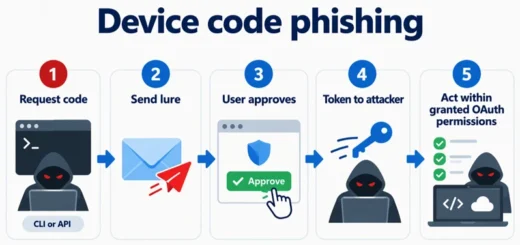
TL;DR Security researchers demonstrated how attackers can adapt device code phishing to hijack command-line developer assistants rather than just email accounts. Using GitHub Copilot CLI in a controlled simulation, Microsoft showed that a single...
The password is no longer the main barrier: EvilTokens made users themselves confirm access for attackers on a genuine Microsoft page, then handed its clients working tokens. Over several months, the platform helped compromise...
The architecture of account exploitation is undergoing a profound metamorphosis, as adversaries increasingly eschew traditional subversion in favor of co-opting legitimate authorization frameworks. At a cursory glance, the procedure appears innocuous; however, therein lies...
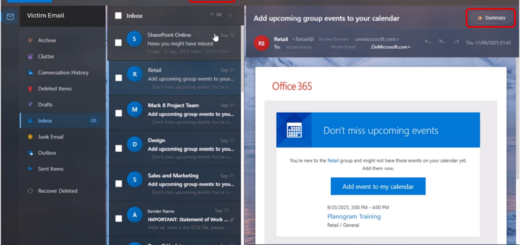
Proofpoint is warning of a surge in phishing attacks in which attackers hijack corporate Microsoft 365 accounts not through fake login pages, but via a perfectly legitimate OAuth mechanism—device code authorization. Victims are persuaded...
DeviceCodePhishing This is a novel technique that leverages the well-known Device Code phishing approach. It dynamically initiates the flow as soon as the victim opens the phishing link and instantly redirects them to the...